Transactions of Nanjing University of Aeronautics & Astronautics
  • Current Issue
  • Online First
  • Archive
  • Most Downloaded
    Select AllDeselectExport
    Display Method:
    2026(4):475-505, DOI: 10.16356/j.1005-1120.2026.04.001
    Abstract:
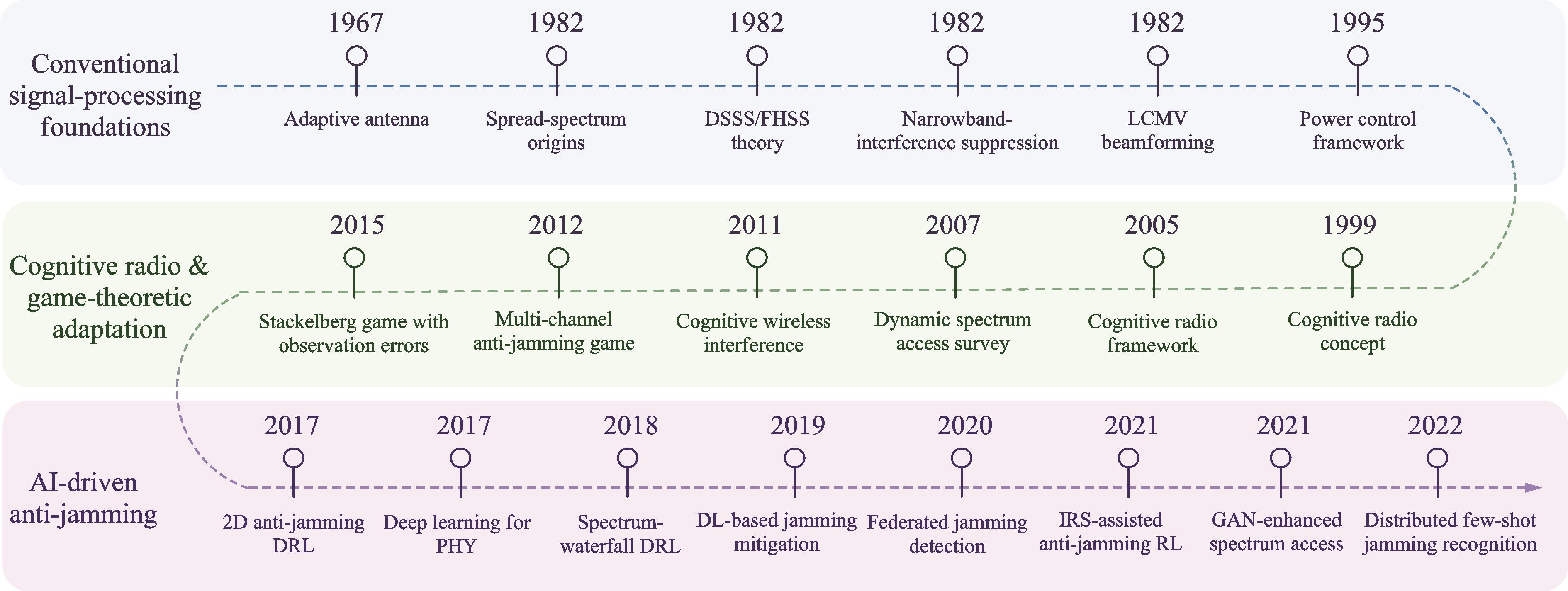
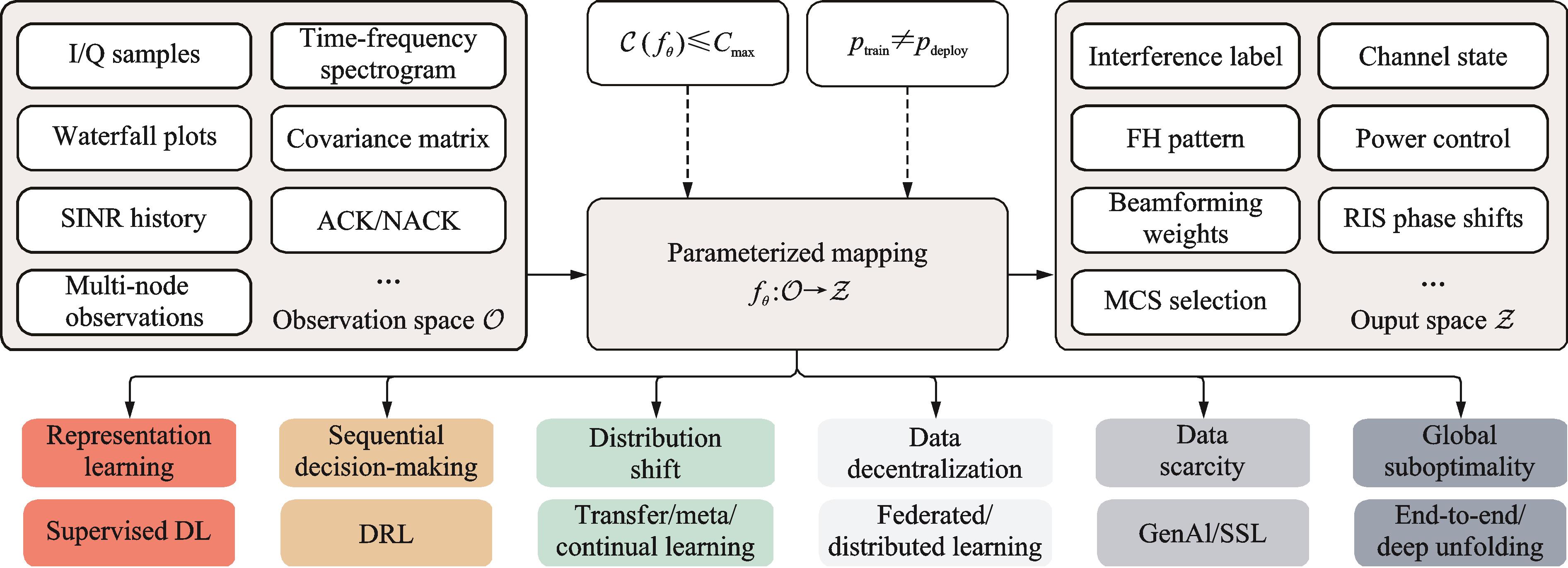
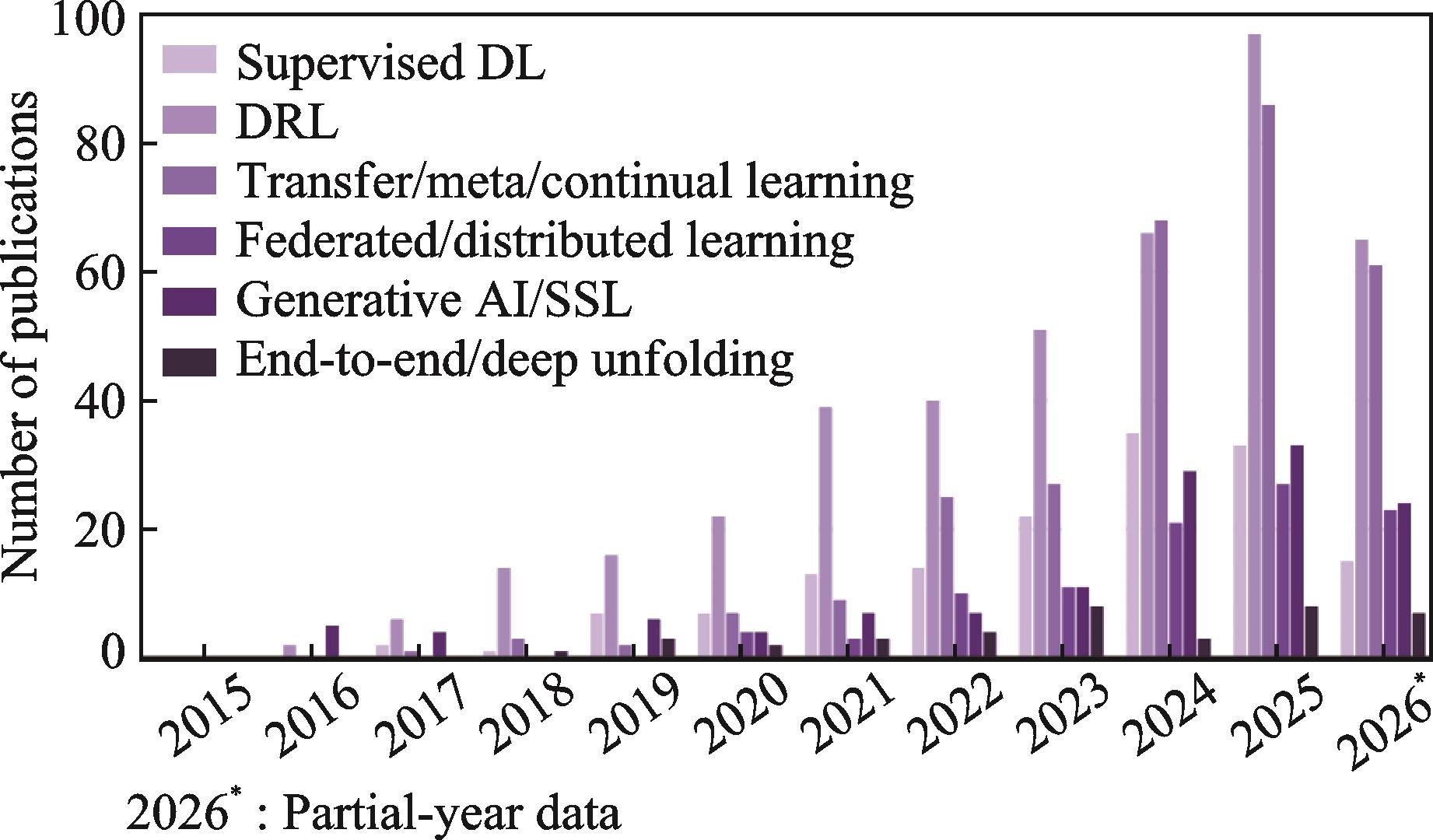
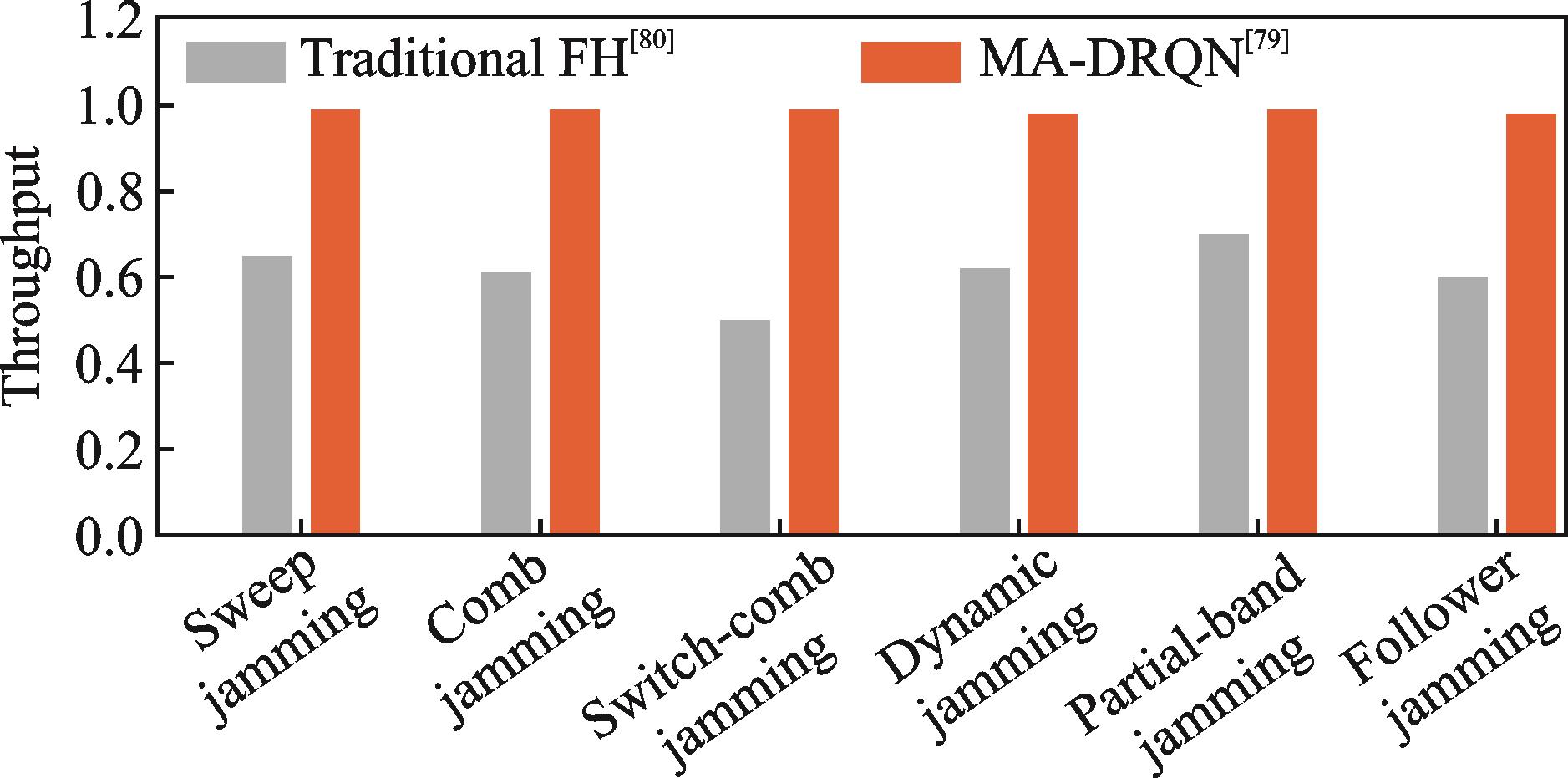
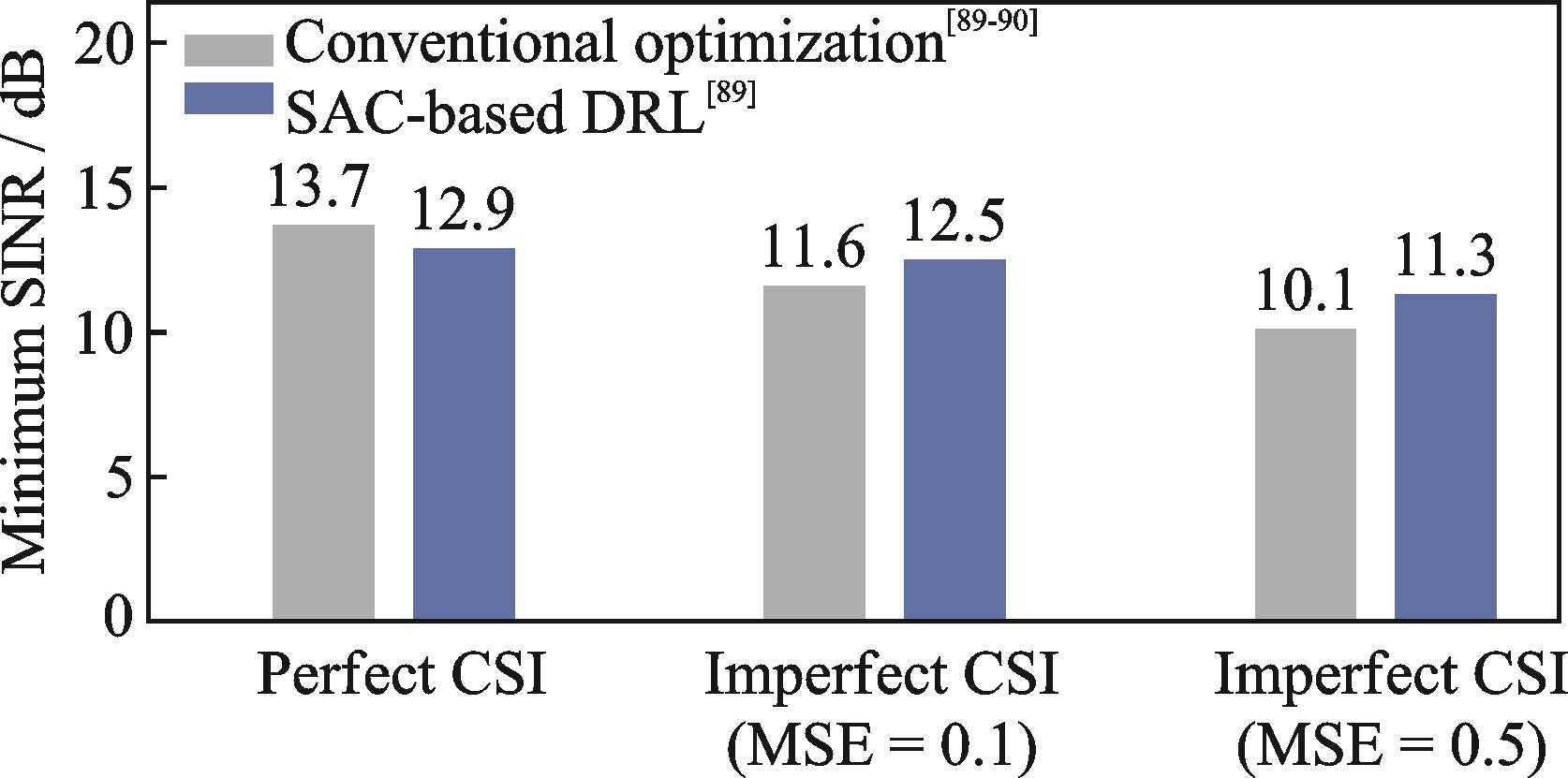
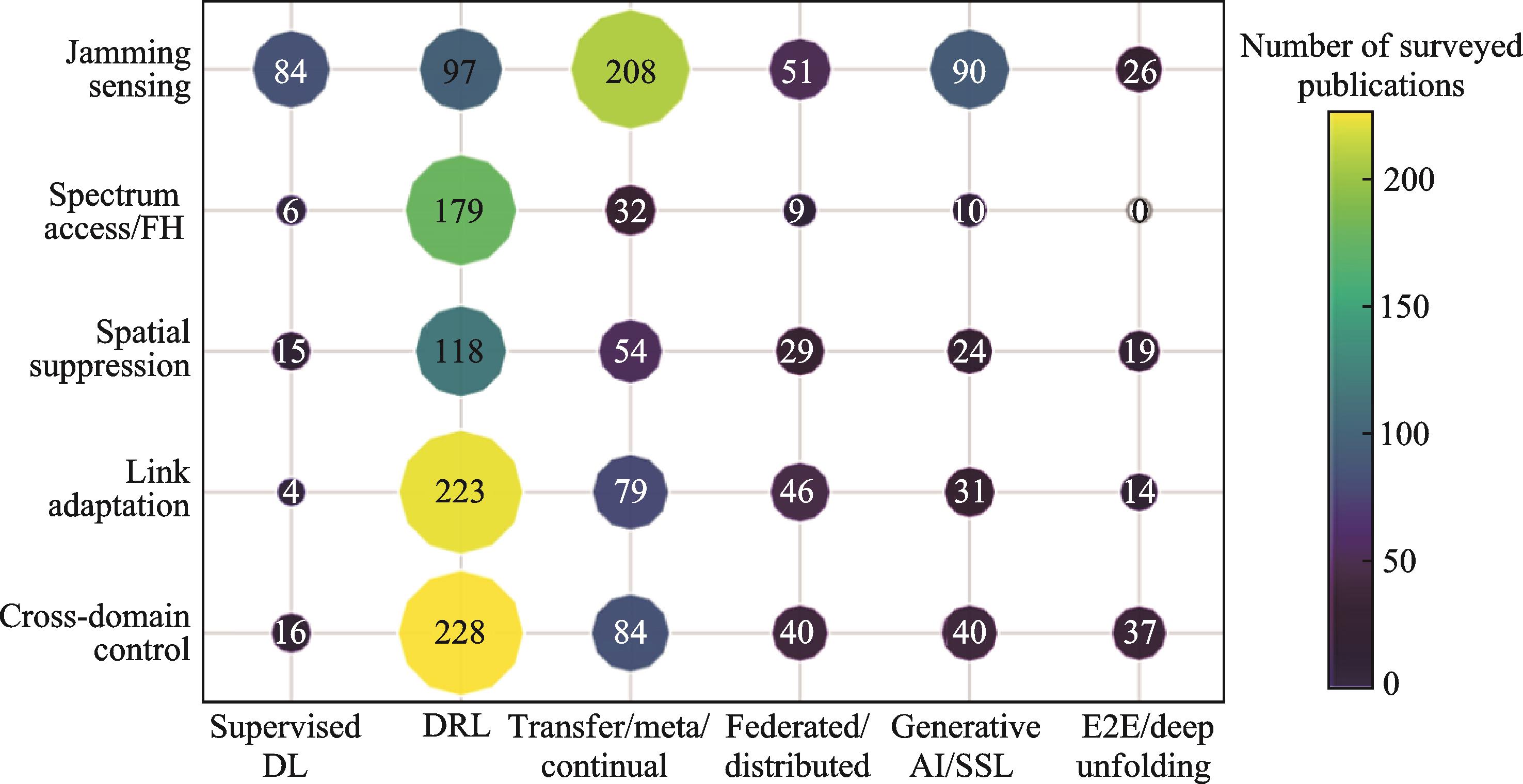
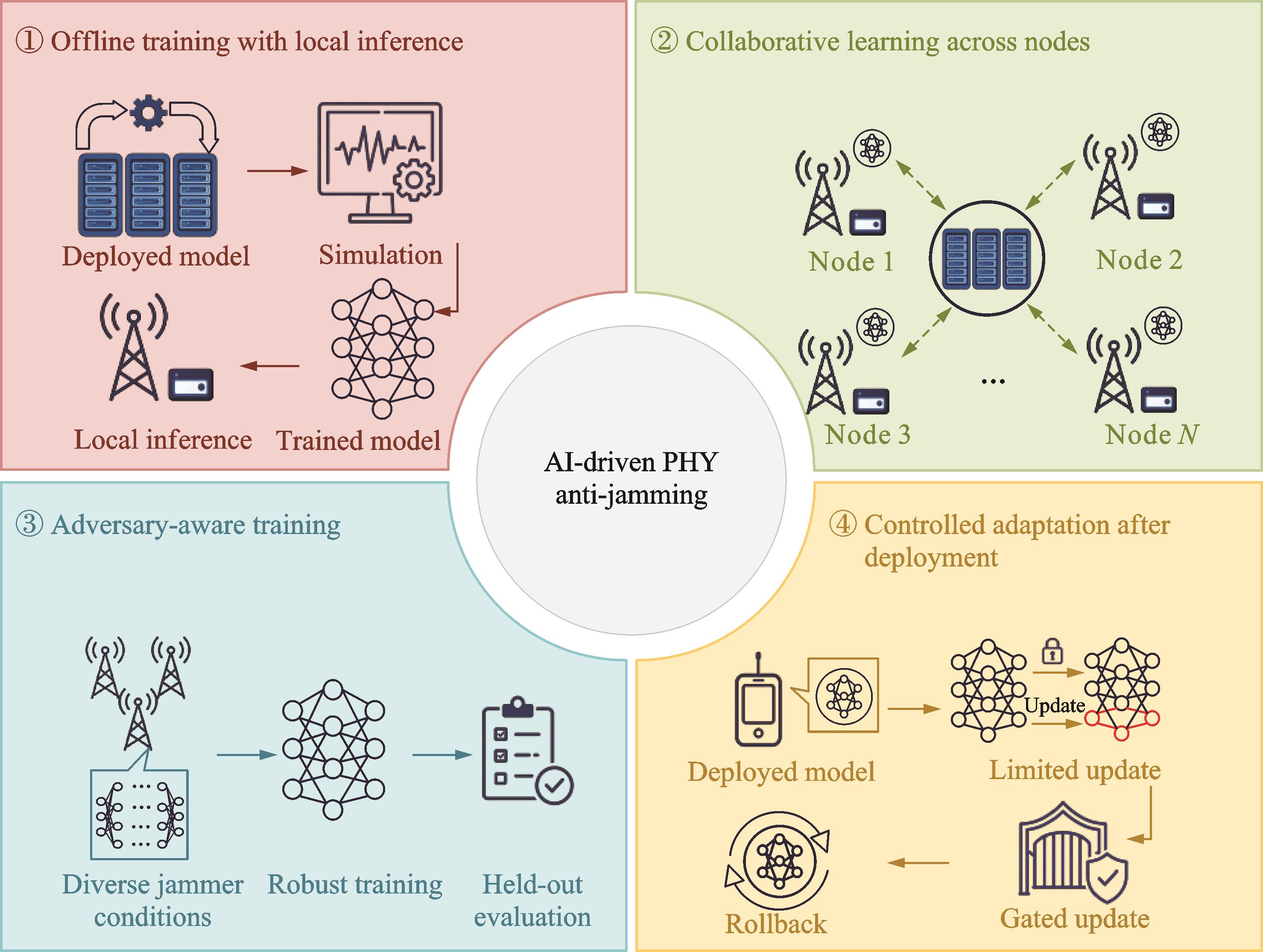
    The broadcast nature of wireless channels exposes communication links to intentional jamming, which is a threat that will be exacerbated in 6G networks owing to dense spectrum reuse, massive connectivity, and space-air-ground integration. Conventional physical-layer (PHY) countermeasures rely on accurate models and approximately stationary jammer statistics, and their effectiveness degrades under adaptive and rapidly varying jamming. Artificial intelligence (AI) relaxes these assumptions by learning detection rules and adaptation policies directly from signal, spectrum, and interaction data. This survey provides a comprehensive review of AI-driven PHY anti-jamming techniques, organized through a unified dual-axis taxonomy of learning paradigms and PHY functions. We first present a unified jamming model and formulate the associated learning problem under distribution shift, implementation constraints, and adversarial uncertainty. Six paradigm groups are then examined: Supervised deep learning; deep reinforcement learning; transfer, meta, and continual learning; federated and distributed learning; generative and self-supervised learning; and end-to-end learning with deep unfolding. Existing work is subsequently organized by five PHY functions: jamming sensing, frequency-domain adaptation, spatial-domain suppression, link adaptation, and cross-domain joint optimization. Finally, we discuss critical deployment constraints and validation gaps, and identify research directions toward robust and standards-compliant anti-jamming solutions.
    2026(4):506-516, DOI: 10.16356/j.1005-1120.2026.04.002
    Abstract:
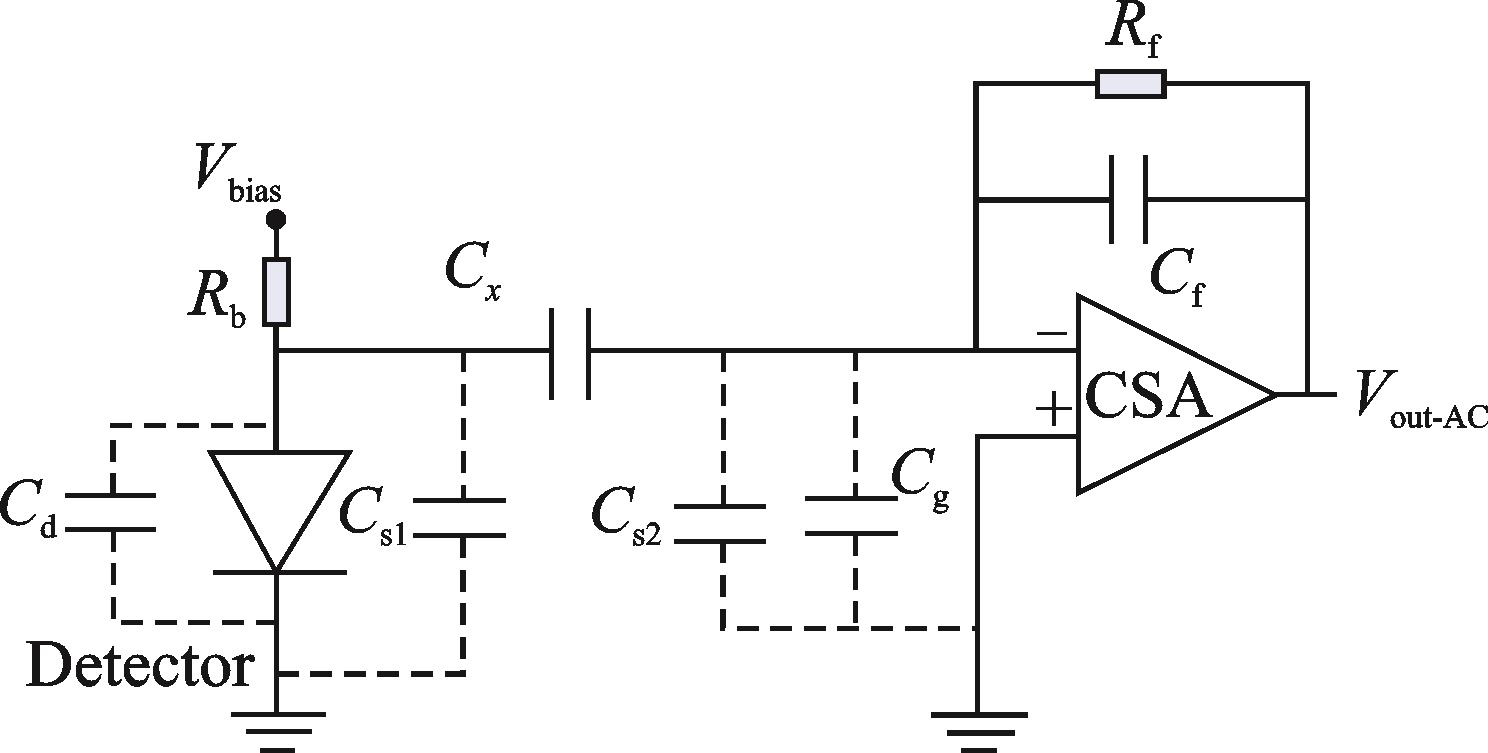
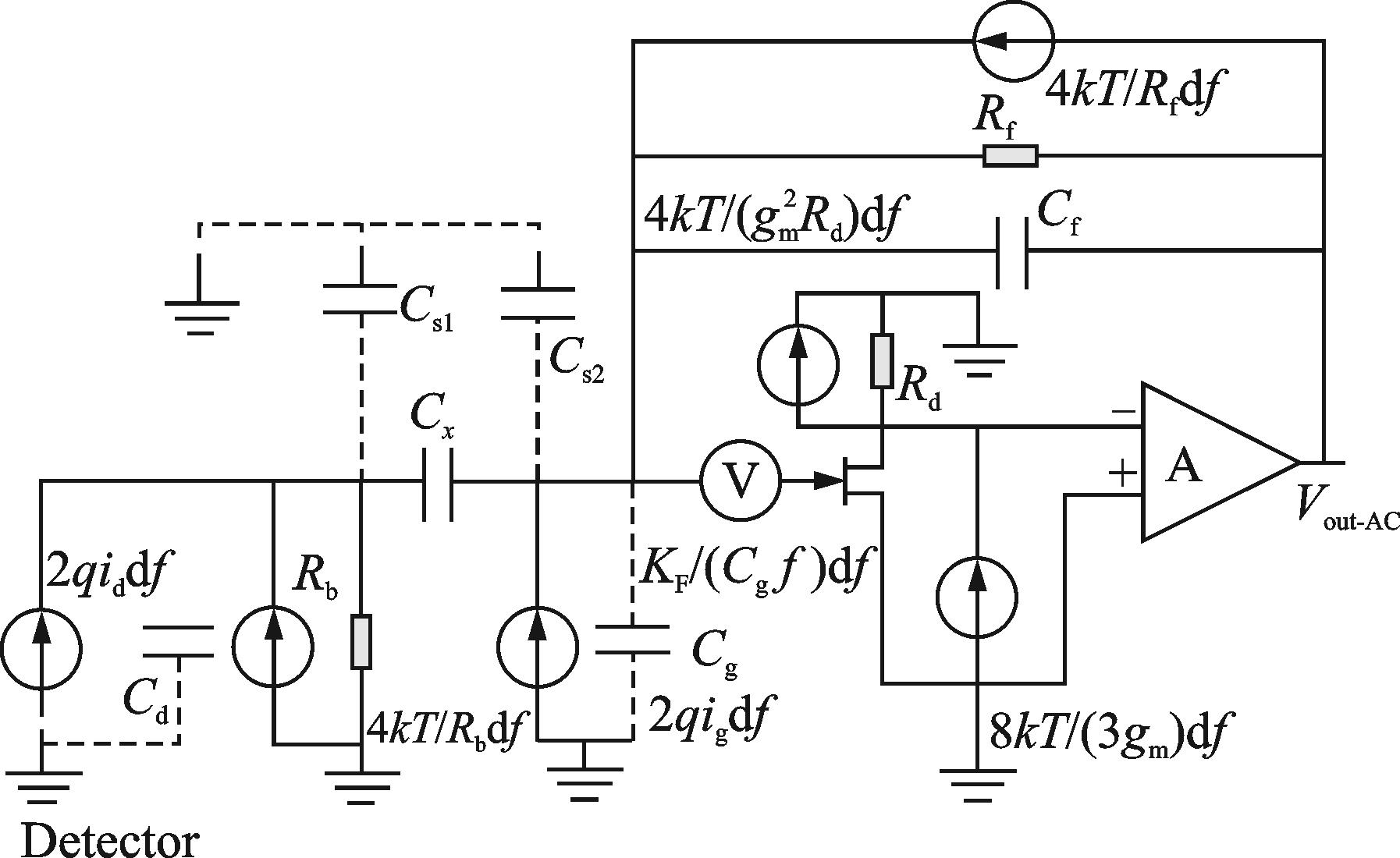
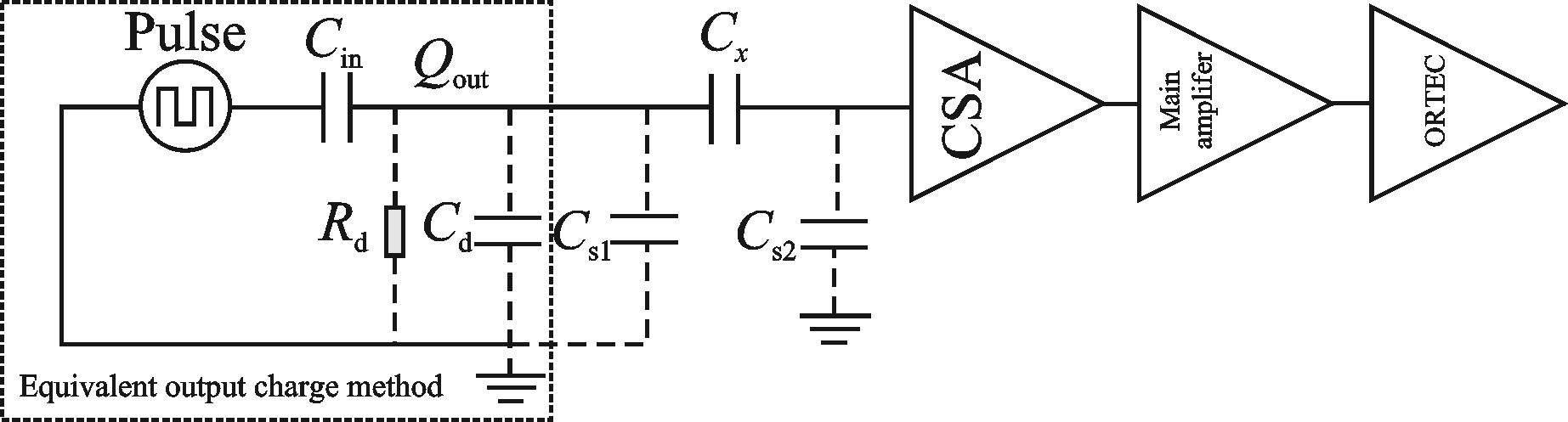
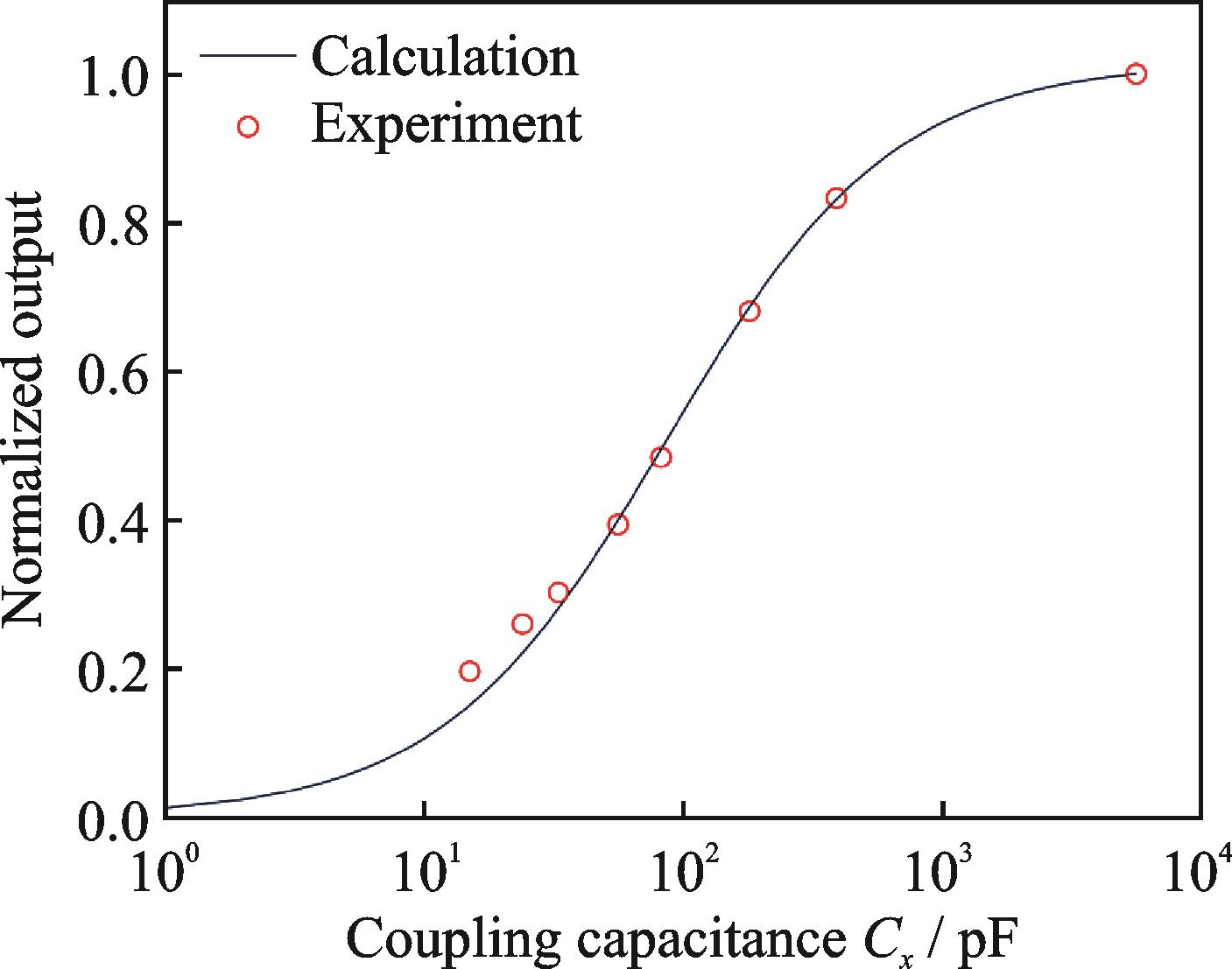
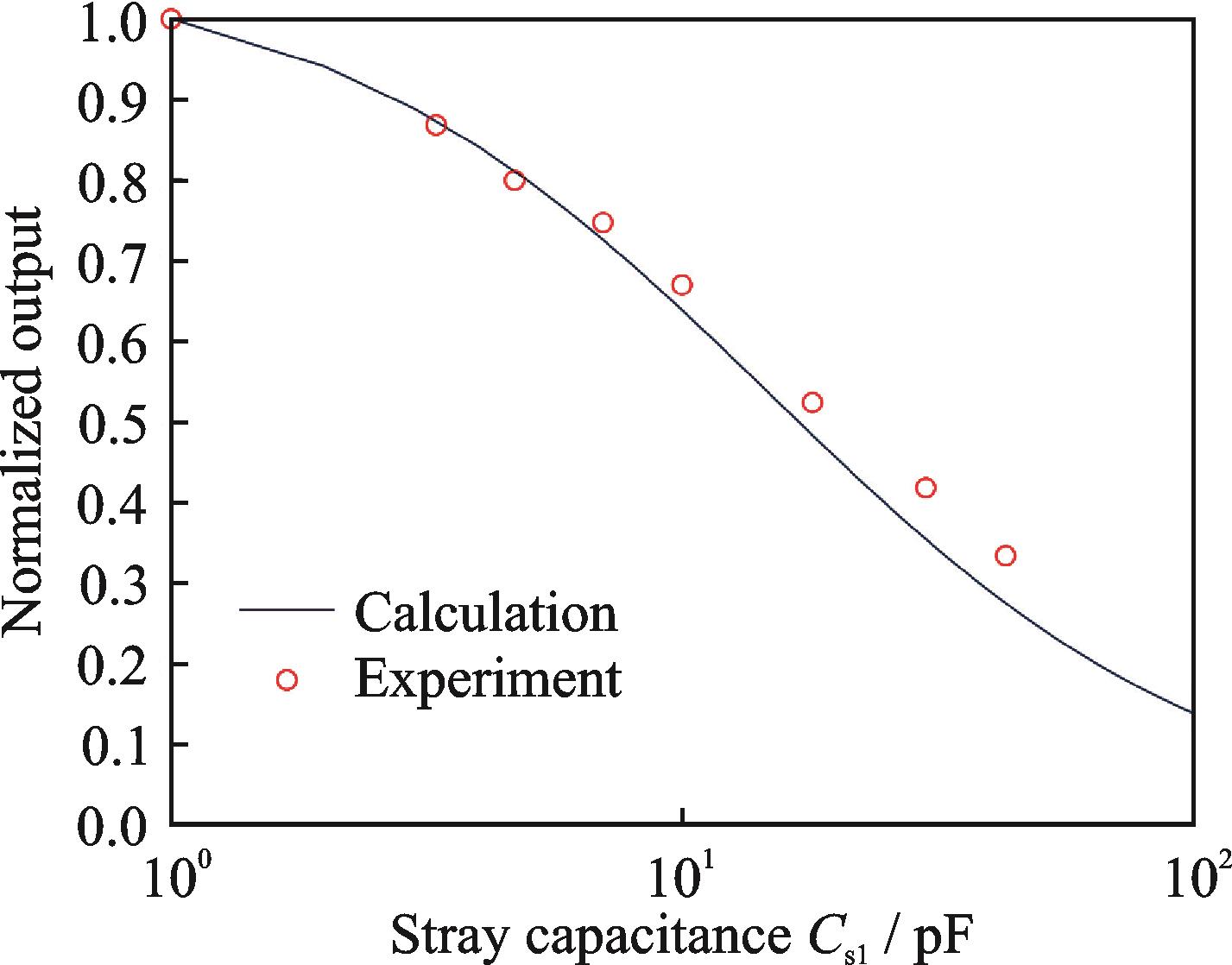
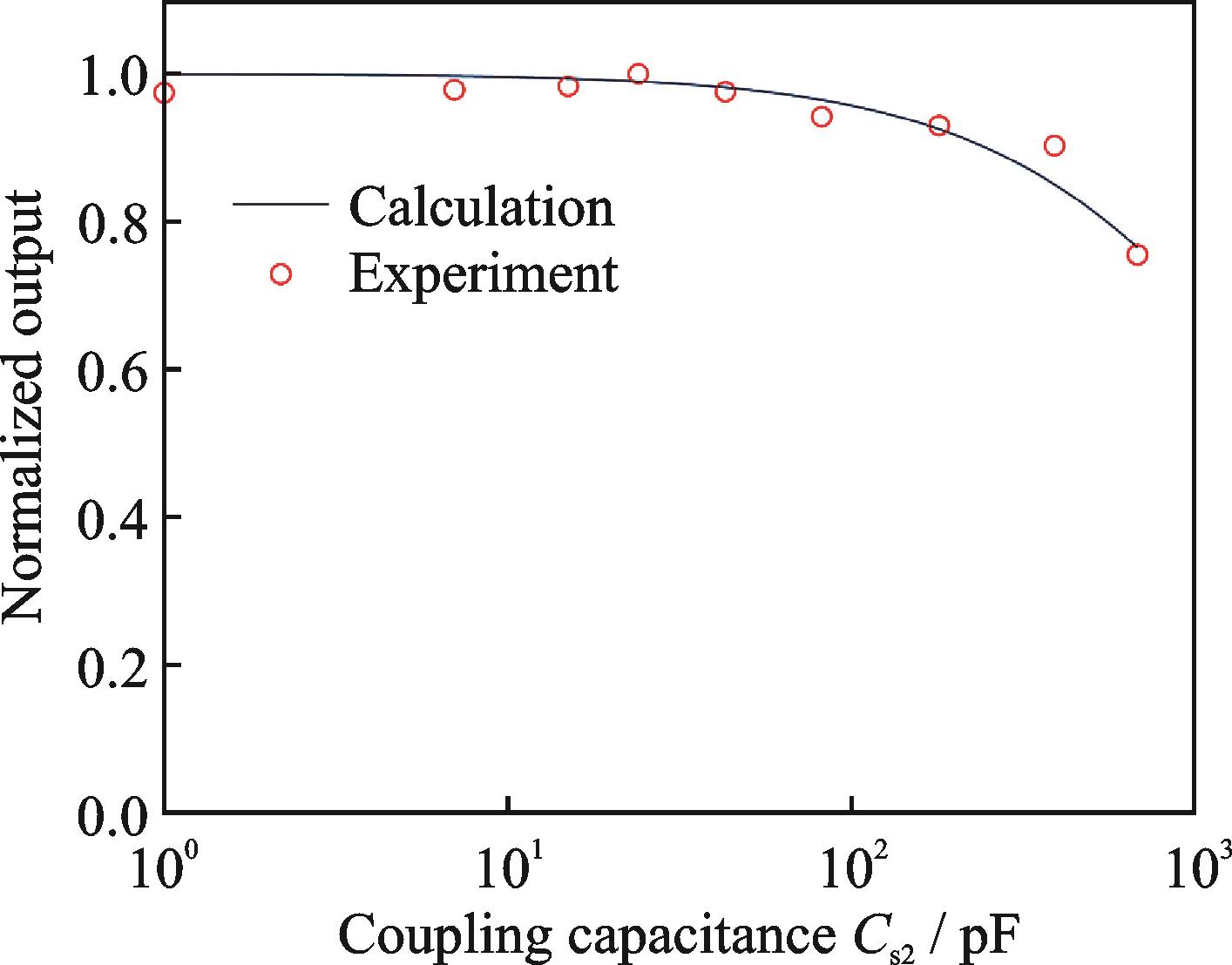
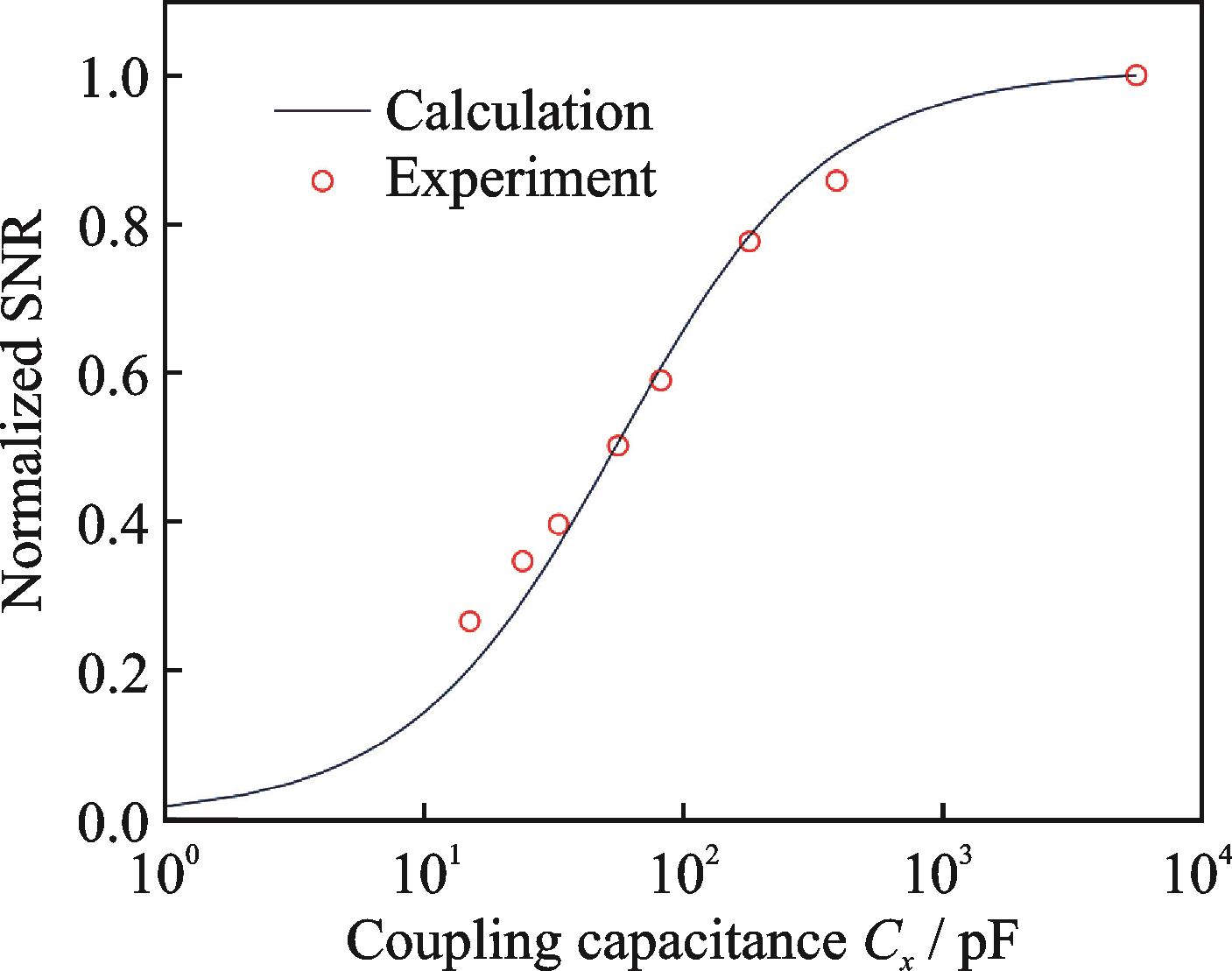
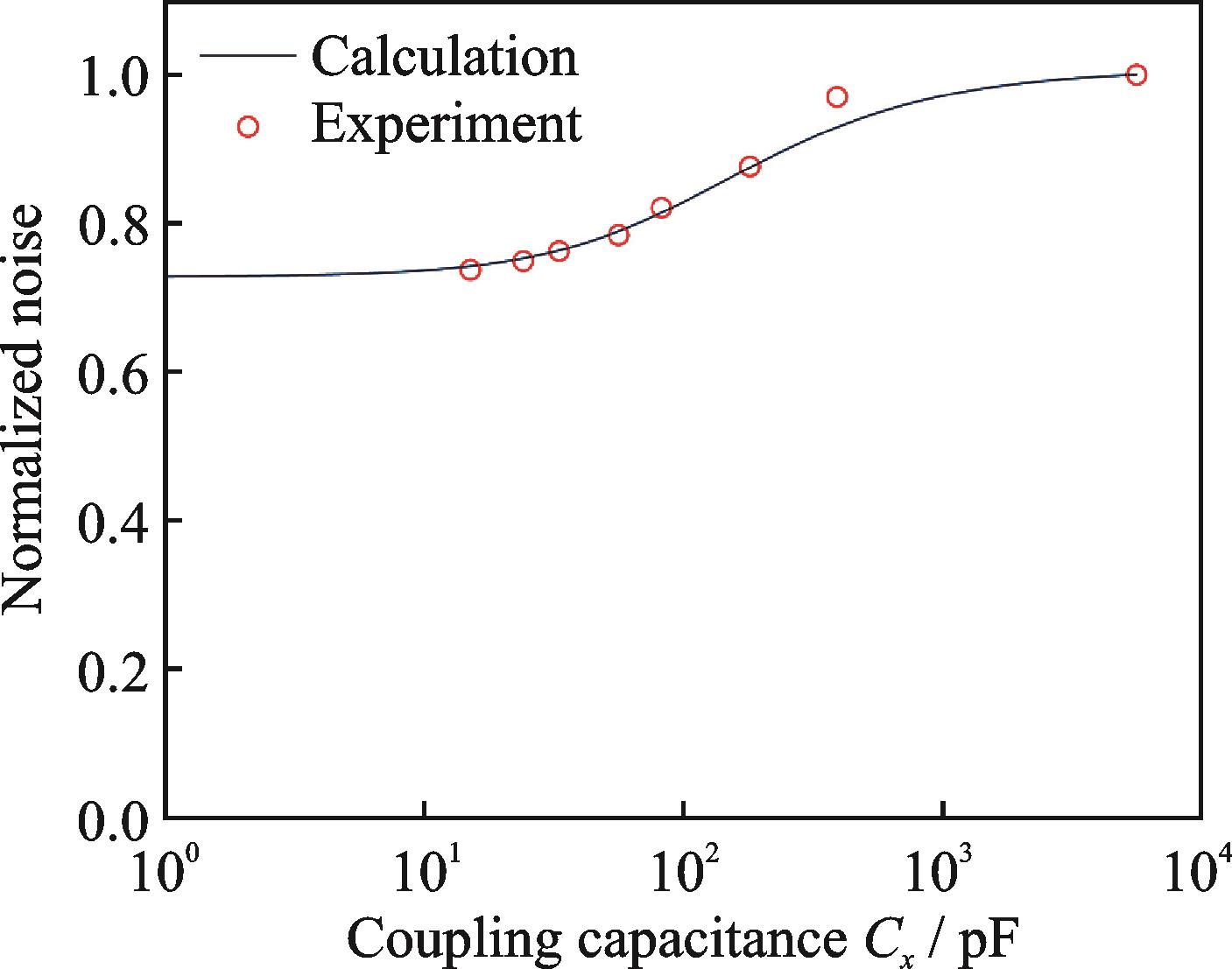
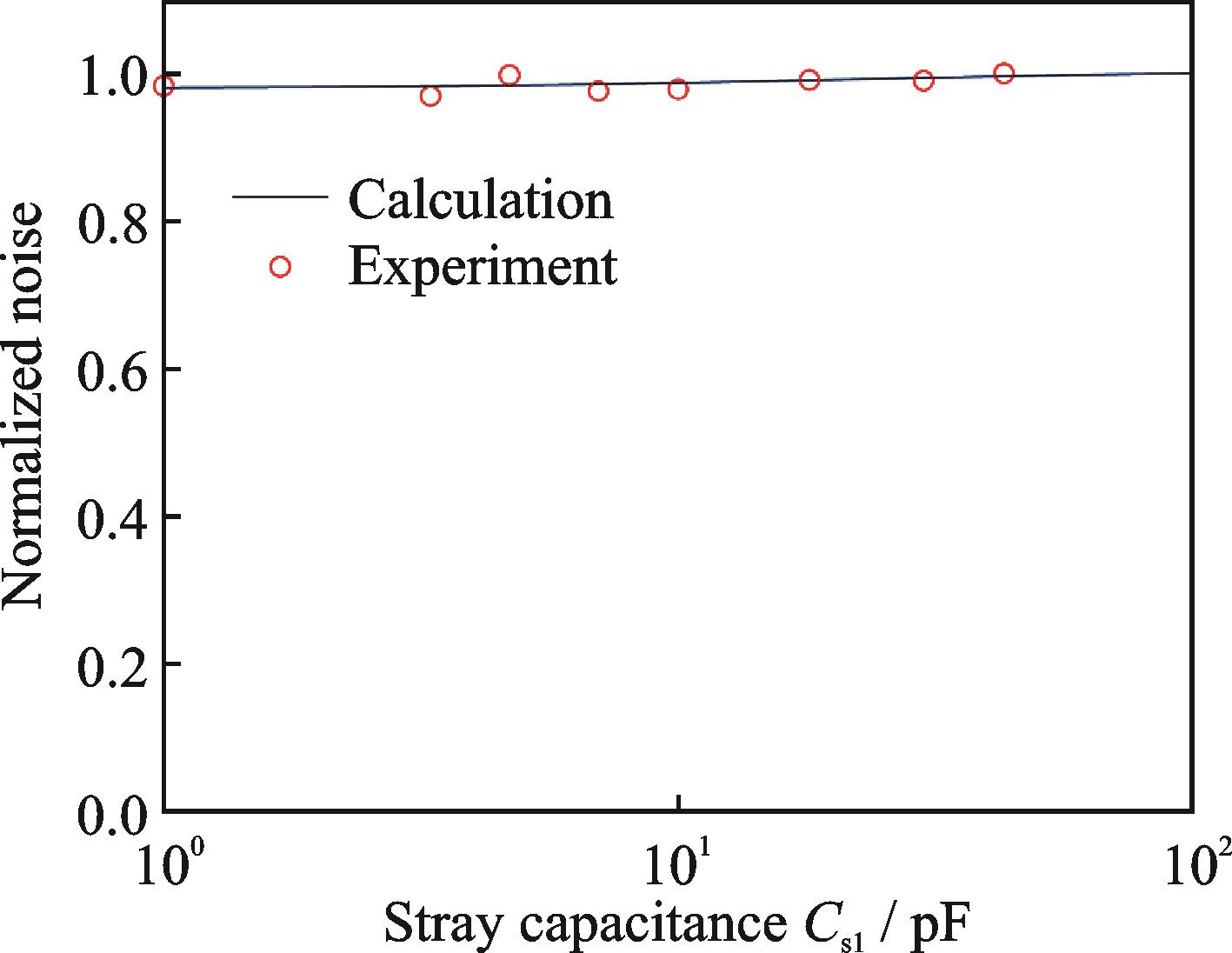
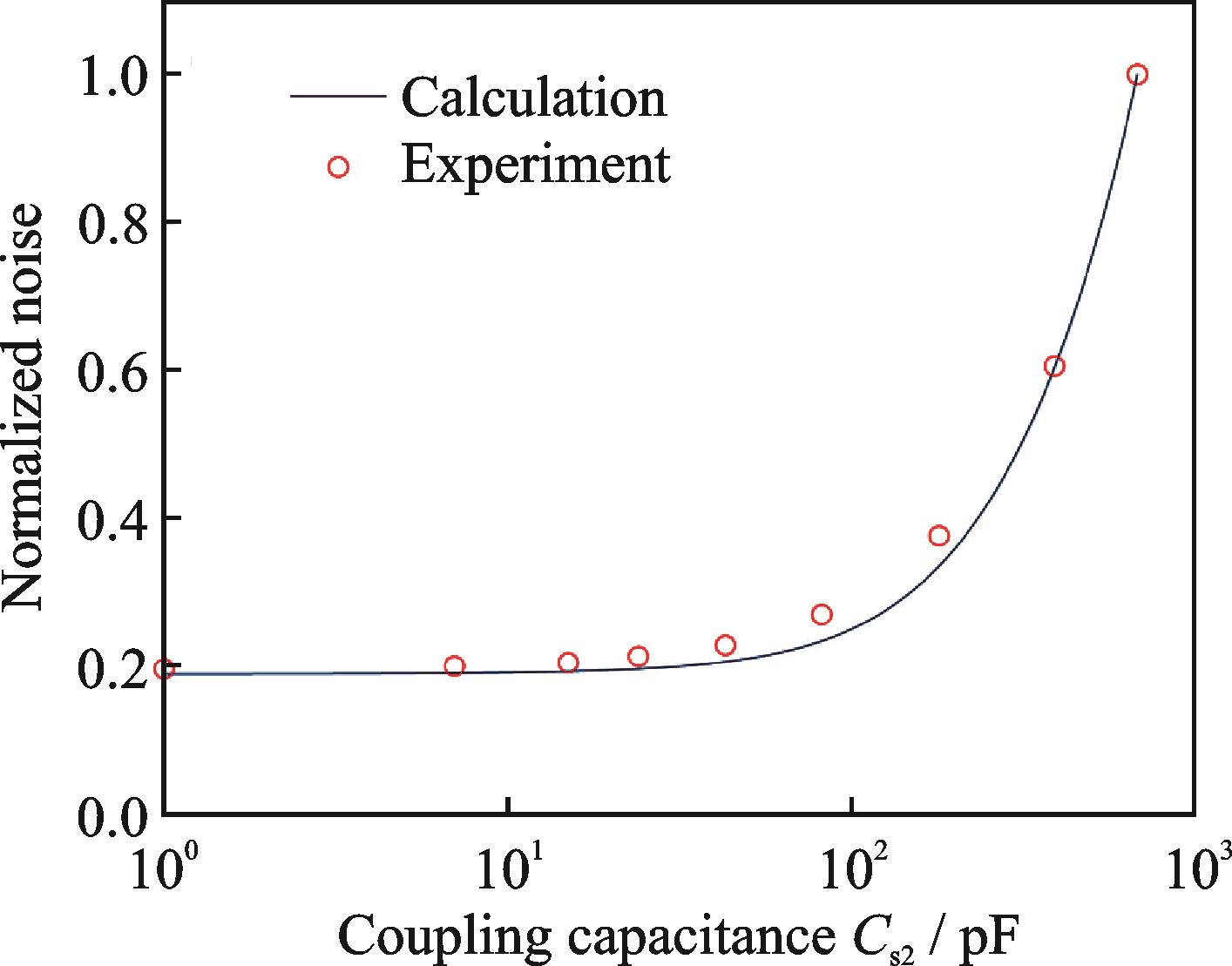
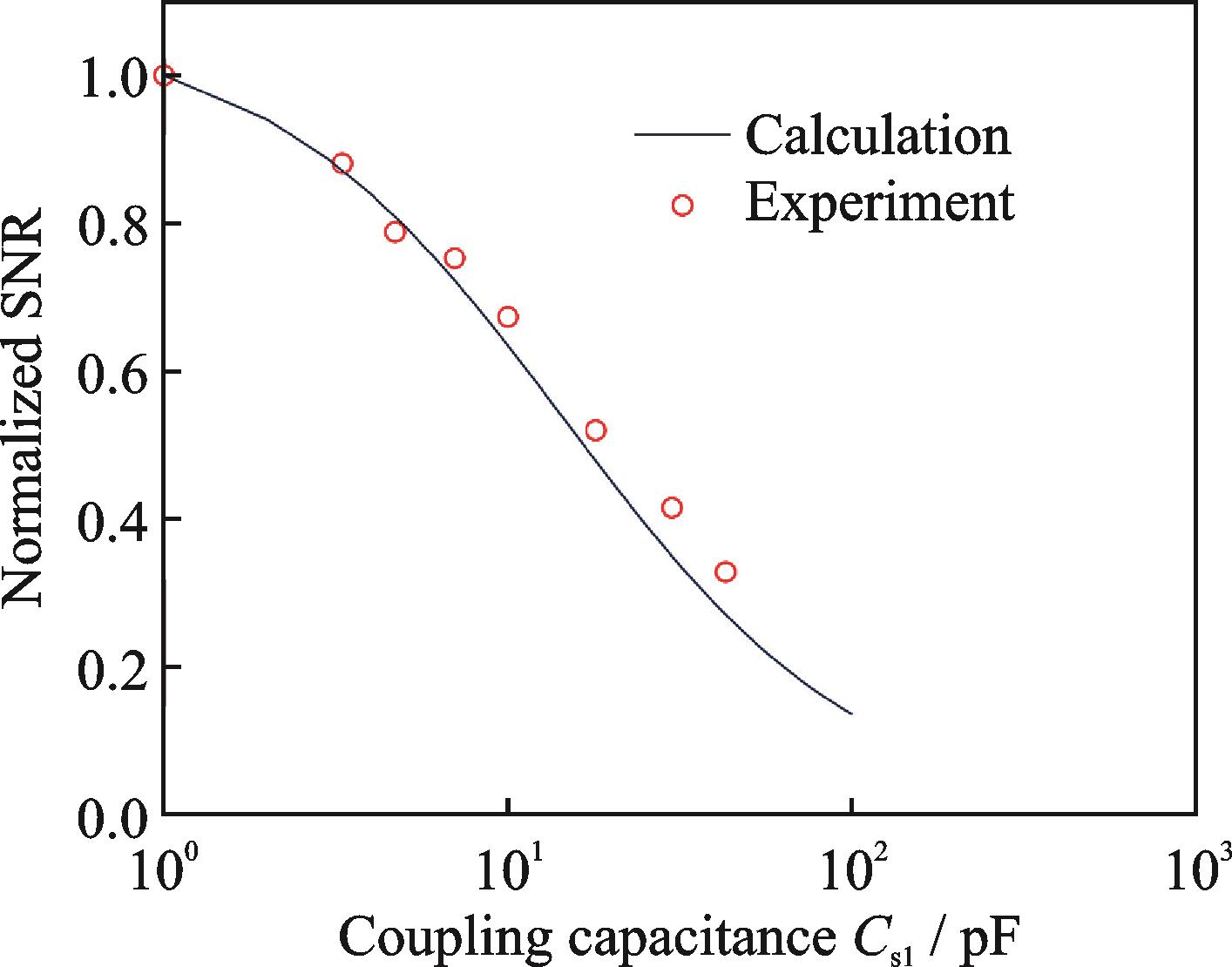
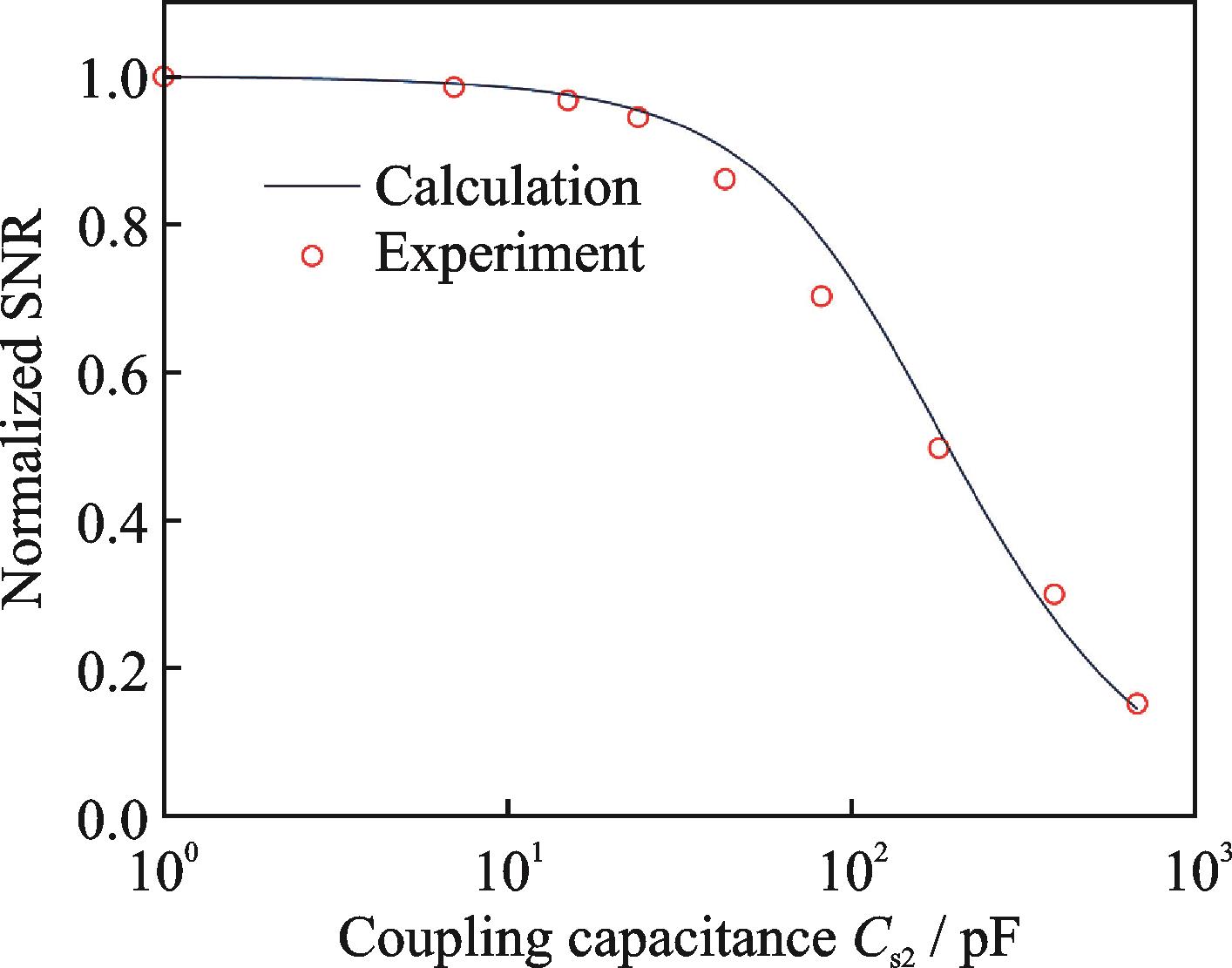
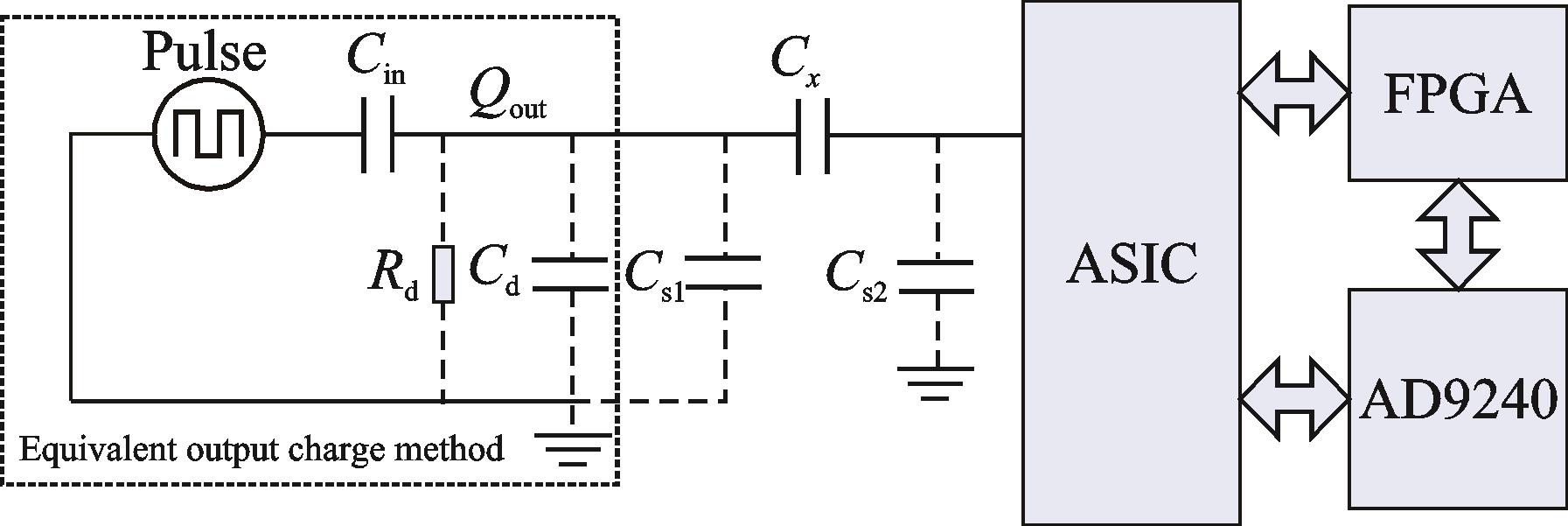
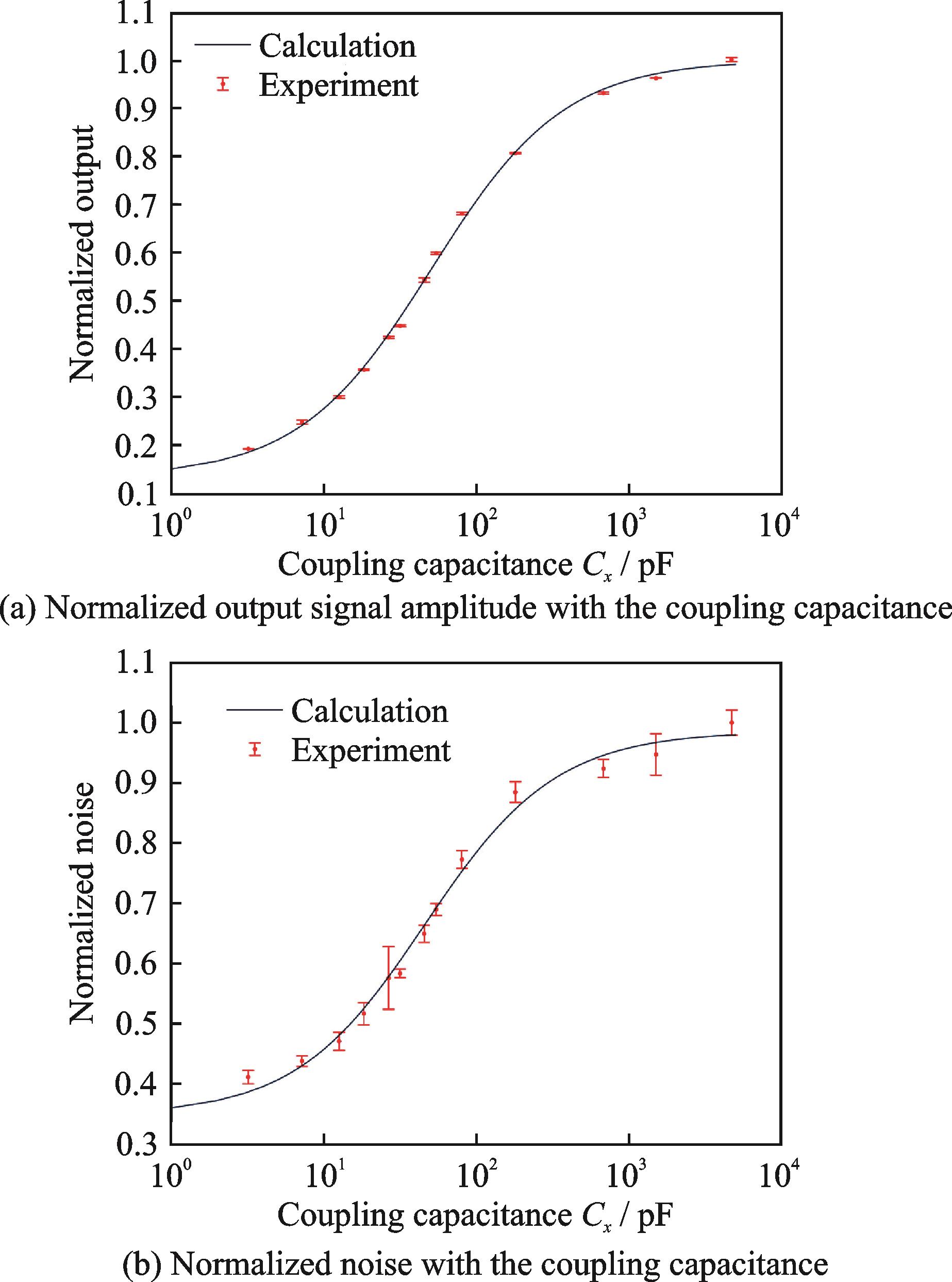
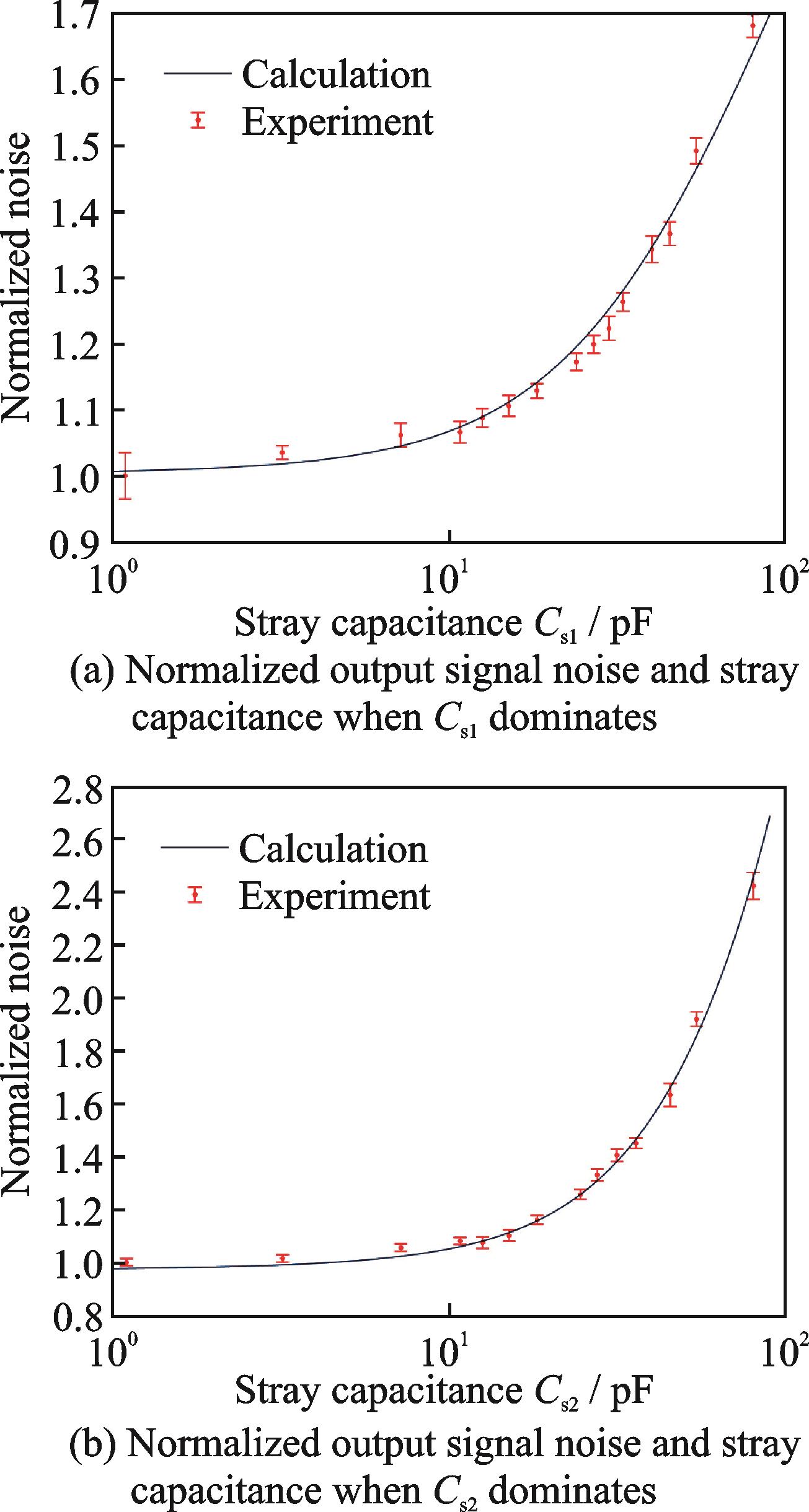
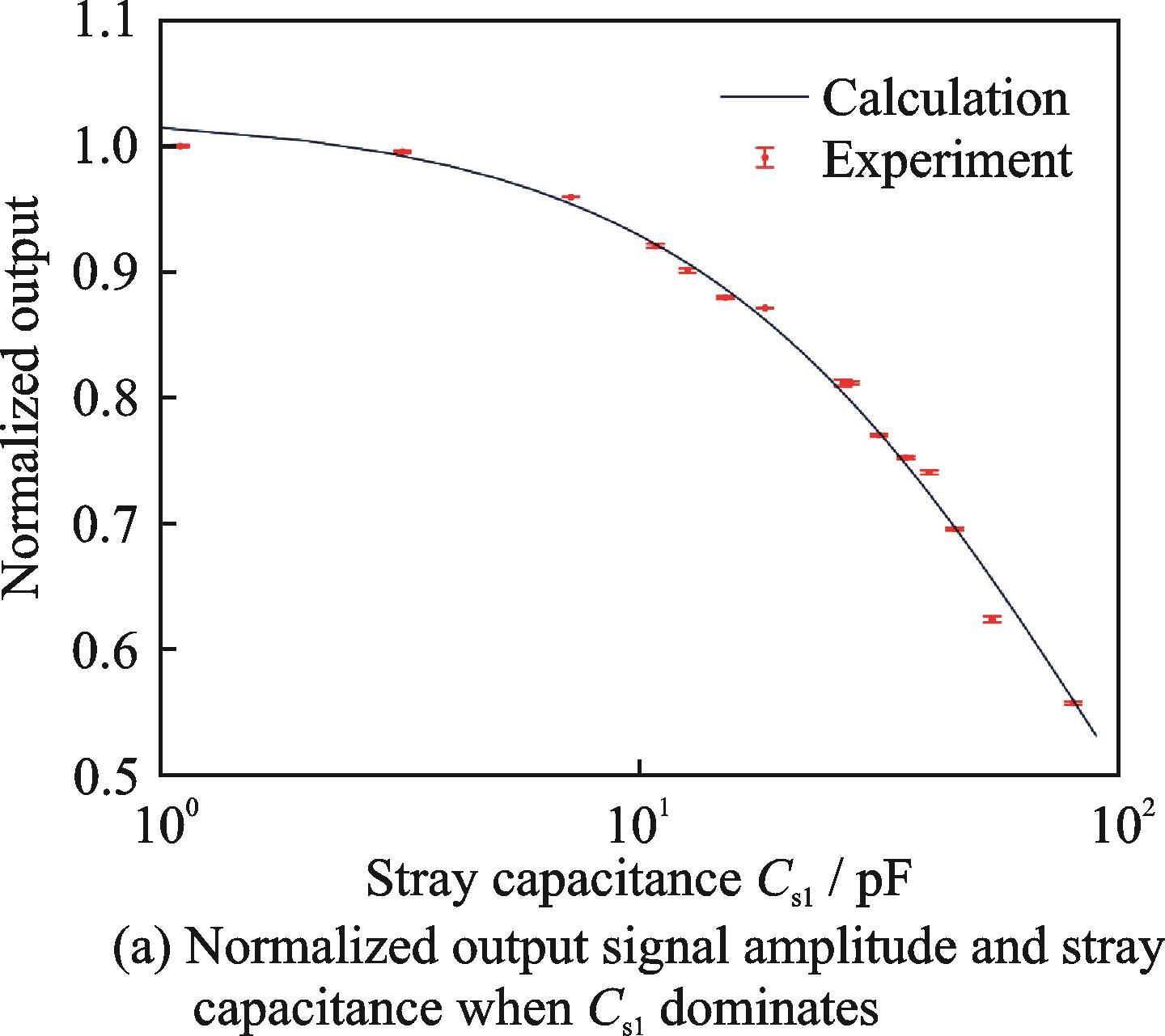
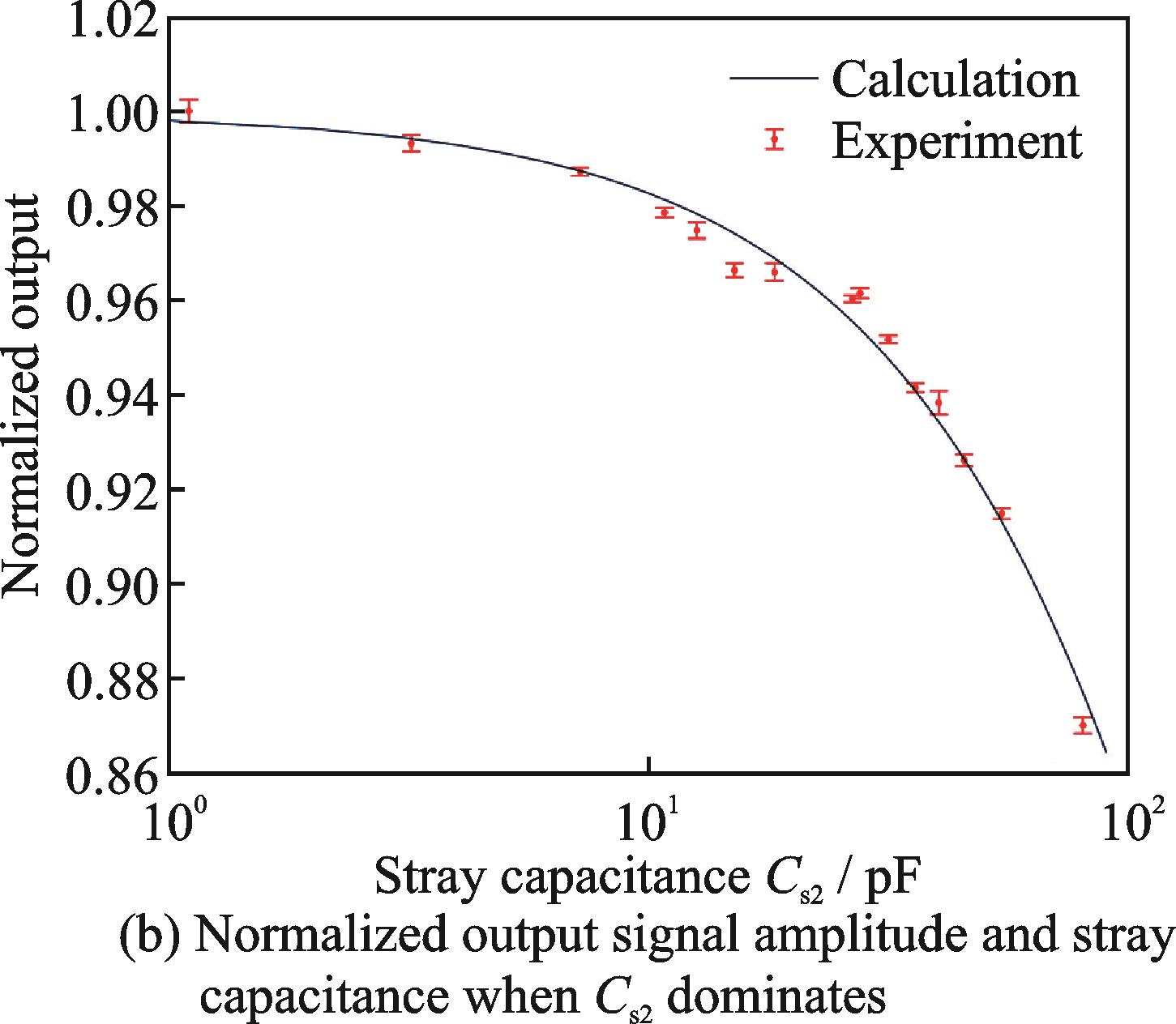
    The performance of a particle detection system is primarily determined by its first stage, which mainly includes a particle radiation detector and a charge-sensitive preamplifier (CSA). The connection between the detector and the front-end readout circuit is typically AC-coupled, which usually has a coupling capacitor in the range of 0.01—0.1 μF to isolate the input of the CSA from the detector. The application-specific integrated circuit (ASIC) readout electronics for nuclear applications 3(RENA-3) is a multi-channel mixed-signal integrated circuit (IC) offering high energy resolution and high time resolution, developed for the readout of particle radiation detectors. RENA-3 is employed as the front-end readout circuit for an interplanetary energetic particle telescope designed to detect 20─1 000 keV electrons, 25─12 000 keV protons, and ions like alpha particles. However, the maximum input charge of RENA-3 is 54 fC, which limits its maximum detection range to about 1 200 keV and is insufficient for the proton channels. While other ASICs could be adopted, available alternatives do not simultaneously meet the requirements for both high precision and wide measurement range. This paper proposes the use of a small coupling capacitance to extend the range for proton detection by attenuating the charge signal before it reaches the CSA input. The coupling capacitance is on the order of picofarads, much smaller than the detector junction capacitance. In this configuration, stray capacitance and coupling capacitance become significant. A circuit theoretical model is proposed to calculate the transfer function from input charge to output voltage, analyzing the influence of coupling capacitance and stray capacitance on the particle radiation detection system. Experiments using discrete components with known parameters are conducted to validate the theoretical model. Finally, the model is applied to the RENA-3 system for optimization to meet the instrument’s specifications, and certain RENA-3 parameters are derived.
    2026(4):517-528, DOI: 10.16356/j.1005-1120.2026.04.003
    Abstract:
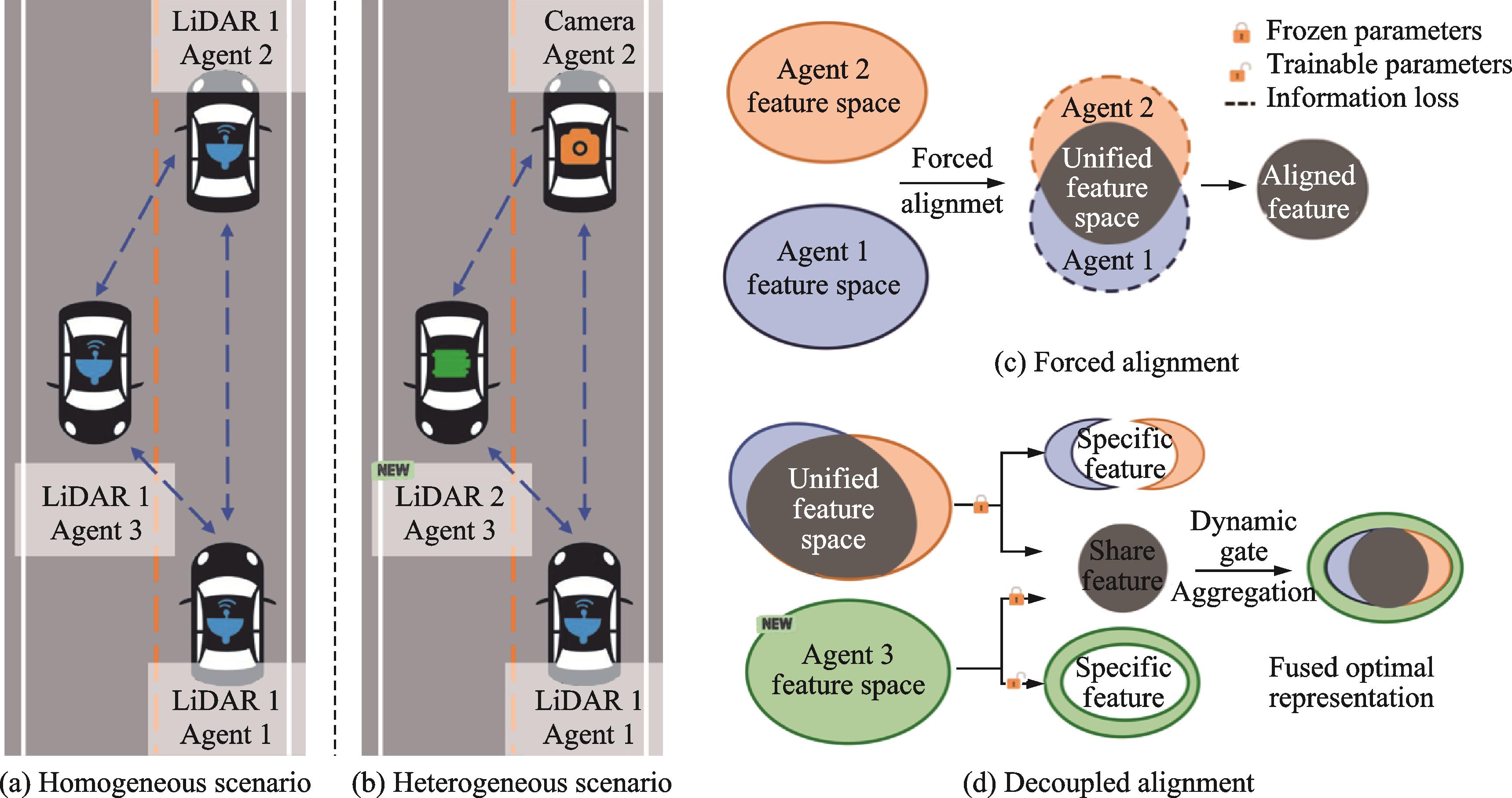
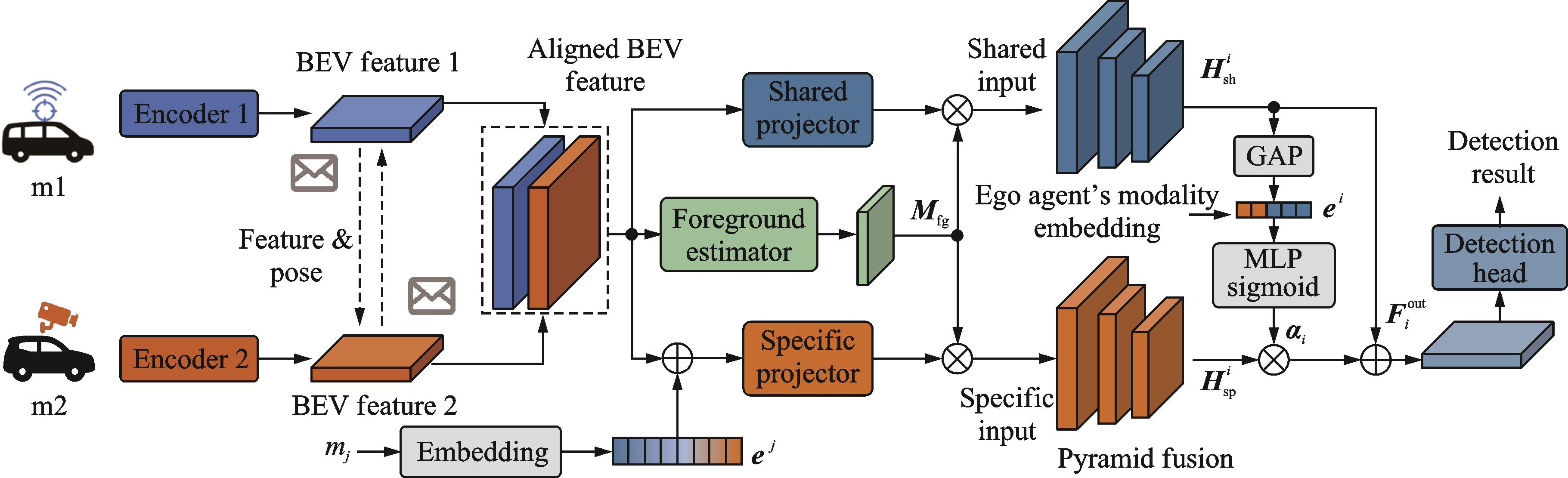
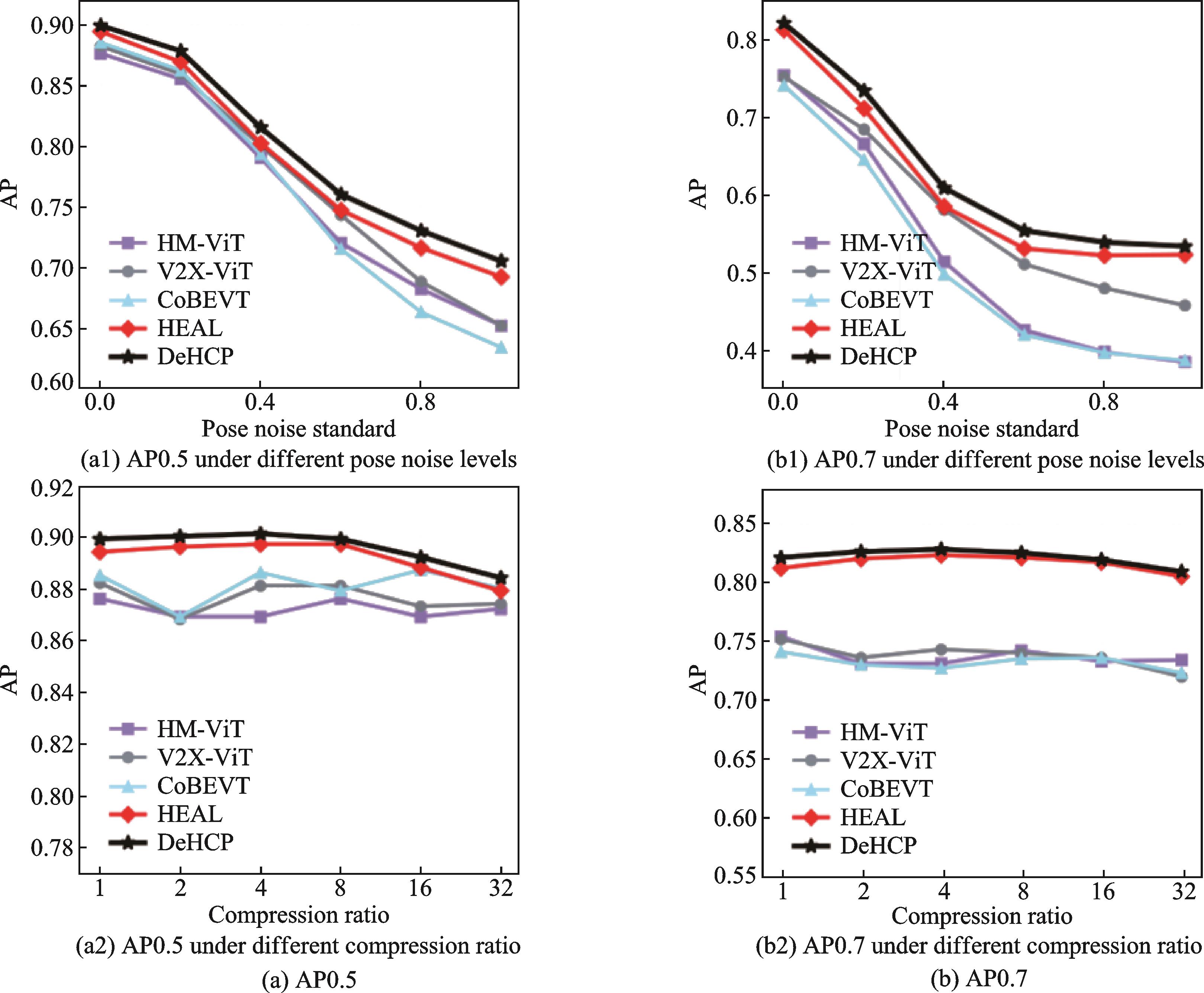
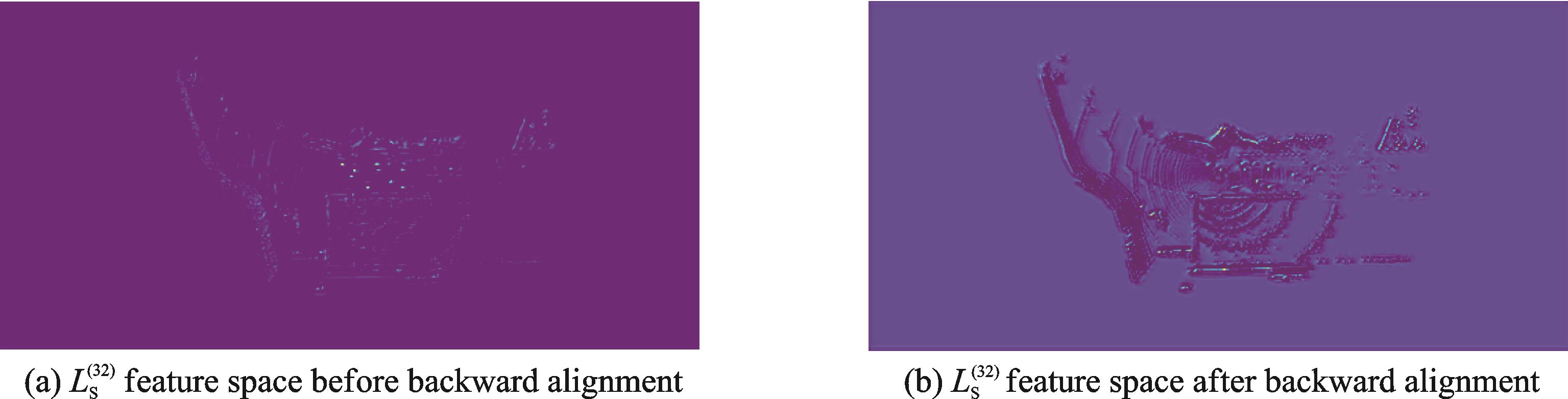
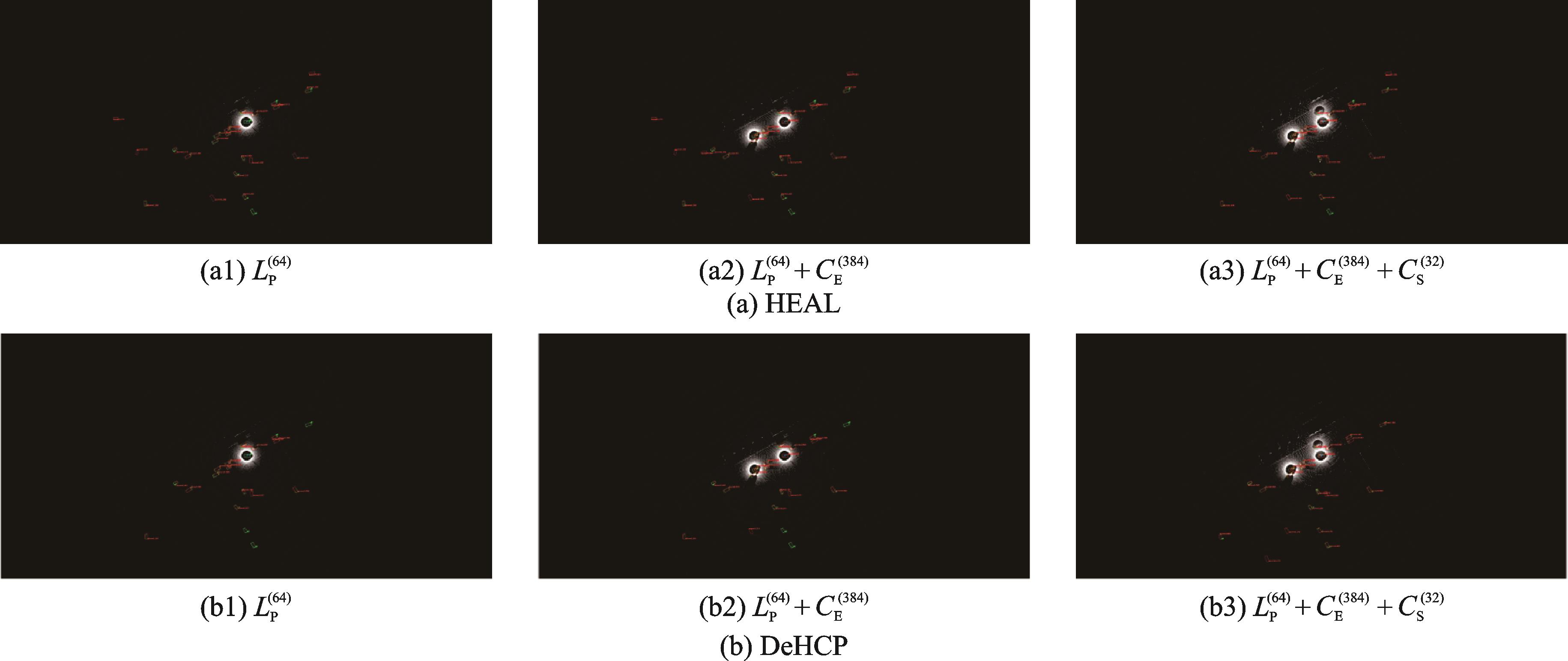
    The existing open heterogeneous collaborative perception systems typically align diverse features to a fixed semantic space. This alignment process inevitably leads to information loss and suppresses modality-specific characteristics. To address this limitation, this paper introduces a novel decoupled heterogeneous collaborative perception (DeHCP) framework, which decouples the intermediate feature space into a shared branch and a specific branch. The shared branch extracts a modality-agnostic common representation, while the specific branch preserves modality-specific characteristics conditioned on learnable modality embeddings. A dynamic gate aggregation mechanism adaptively integrates these specific features with the common representation, based on the global semantic context and ego-agent identity. Furthermore, a decoupled supervision strategy with backward alignment enables the integration of unseen heterogeneous agents by updating only local encoders and lightweight adapters, thereby avoiding collective retraining. Extensive experiments on collaborative benchmarks demonstrate that DeHCP achieves improved three-dimensional object detection accuracy while maintaining the extensibility of open heterogeneous collaborative perception through backward alignment. The proposed approach supports the development of highly scalable autonomous driving systems. Code is available at https://github.com/jurui-cloud/DeHCP.
    2026(4):529-545, DOI: 10.16356/j.1005-1120.2026.04.004
    Abstract:
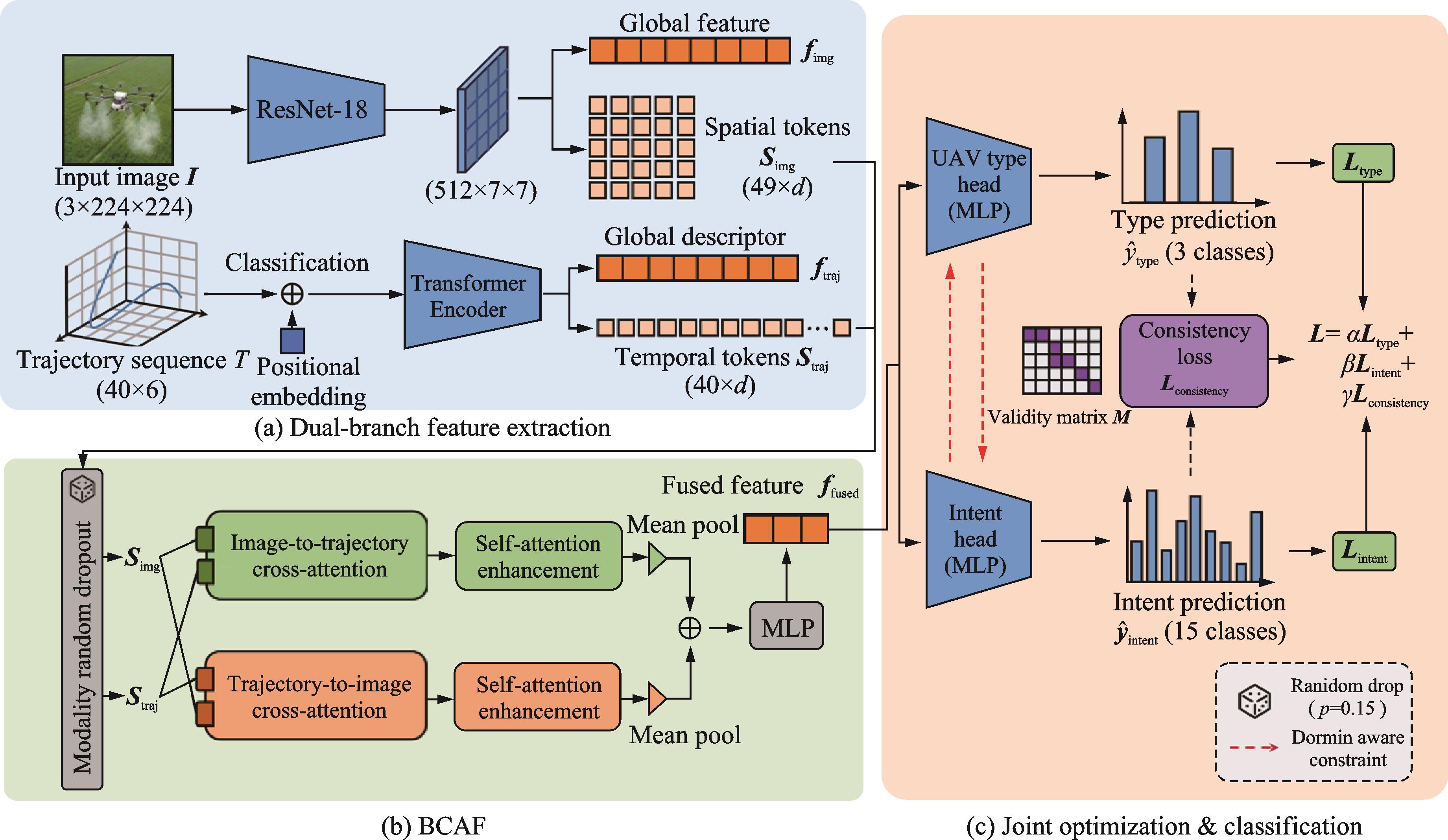
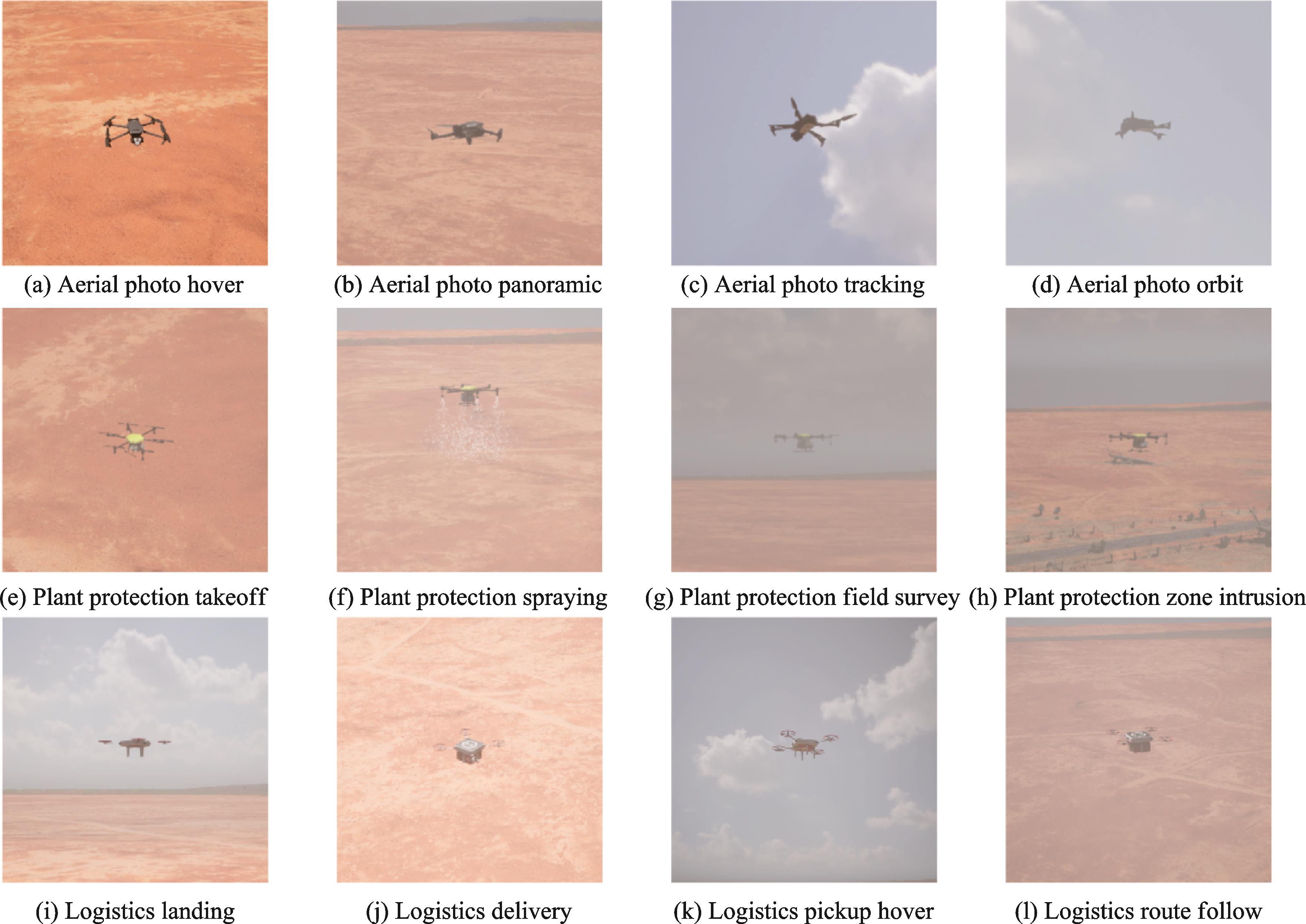
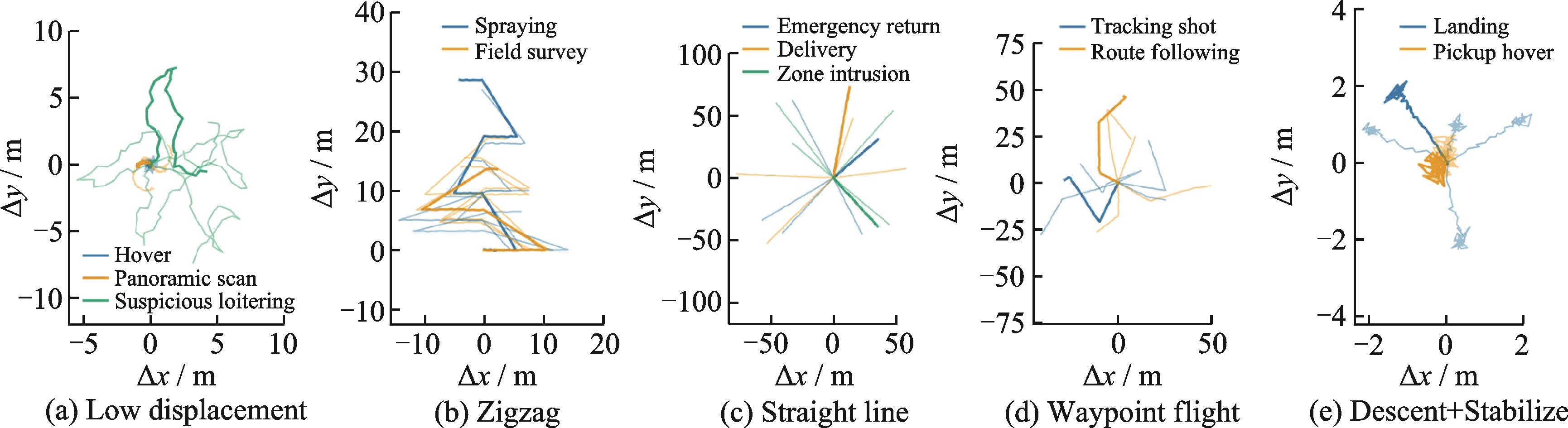
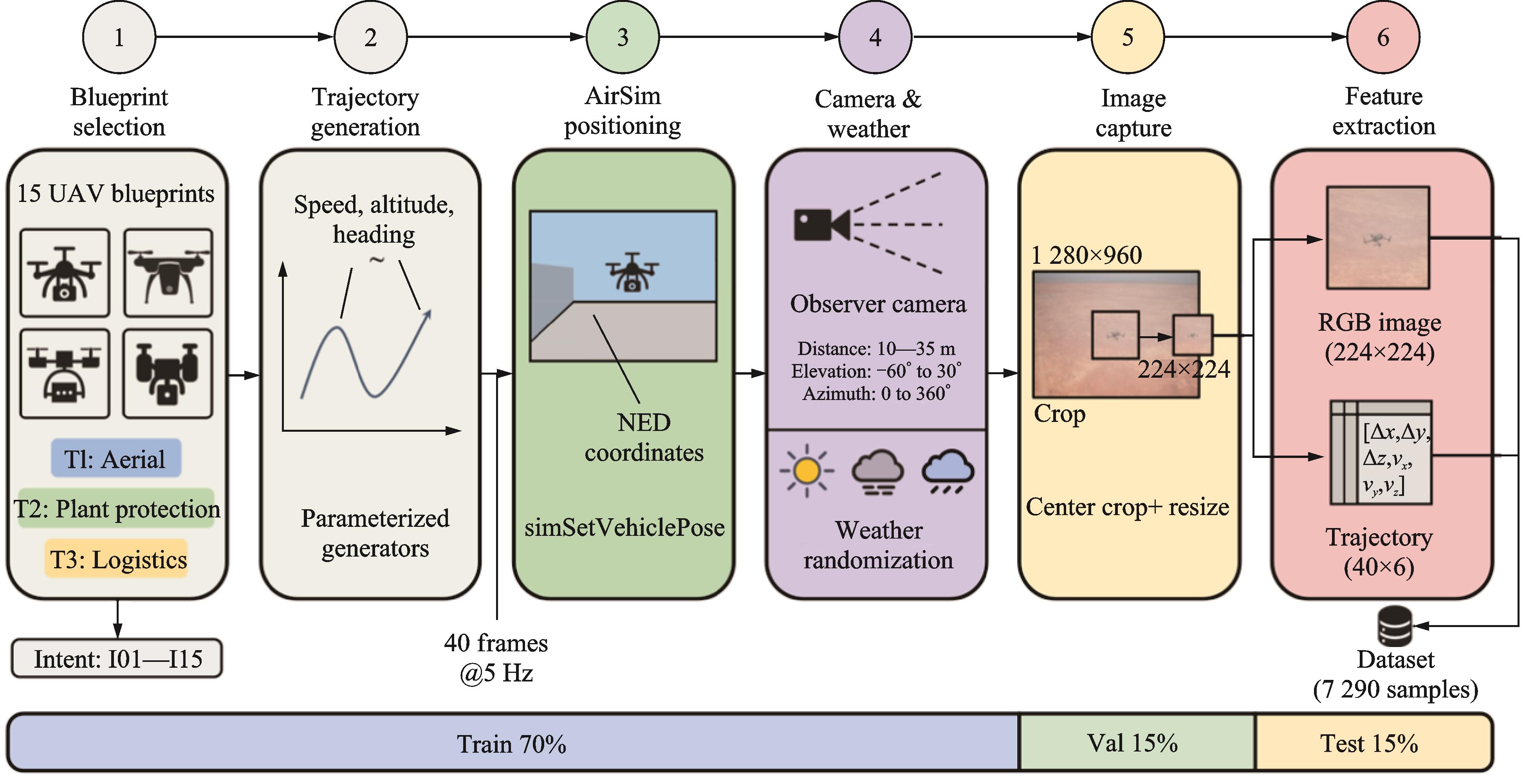
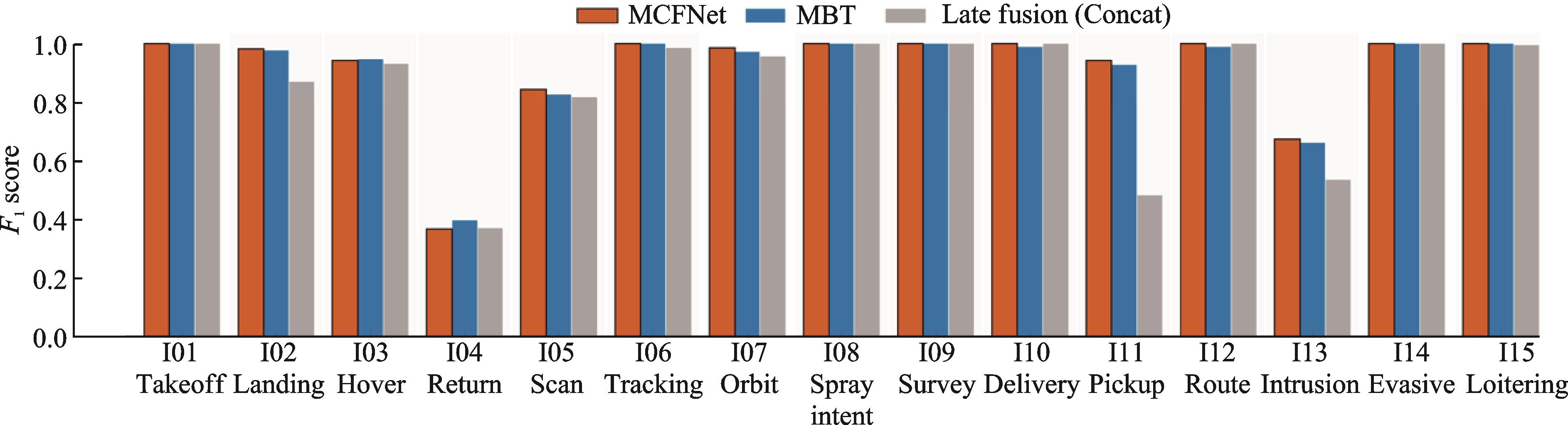
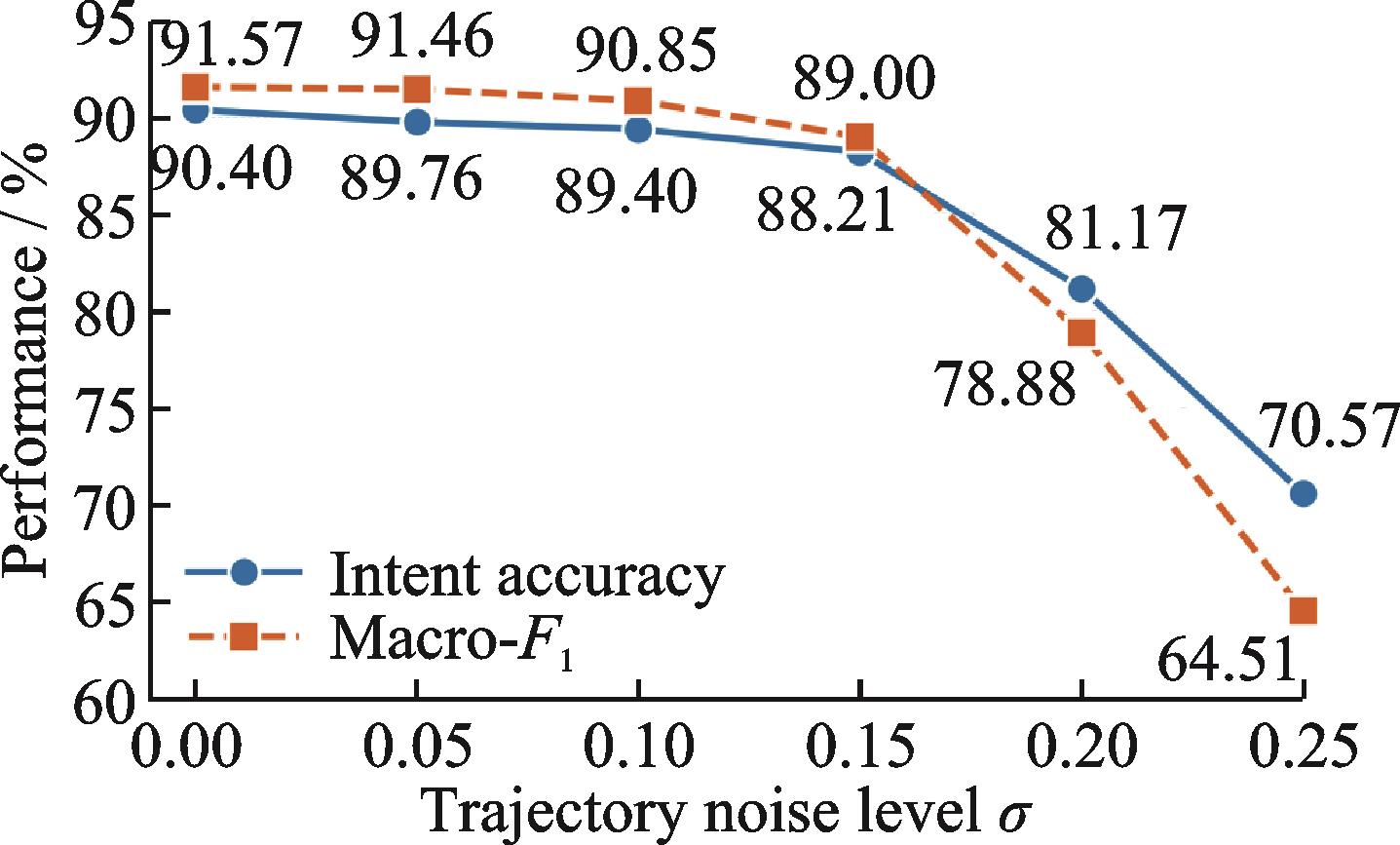
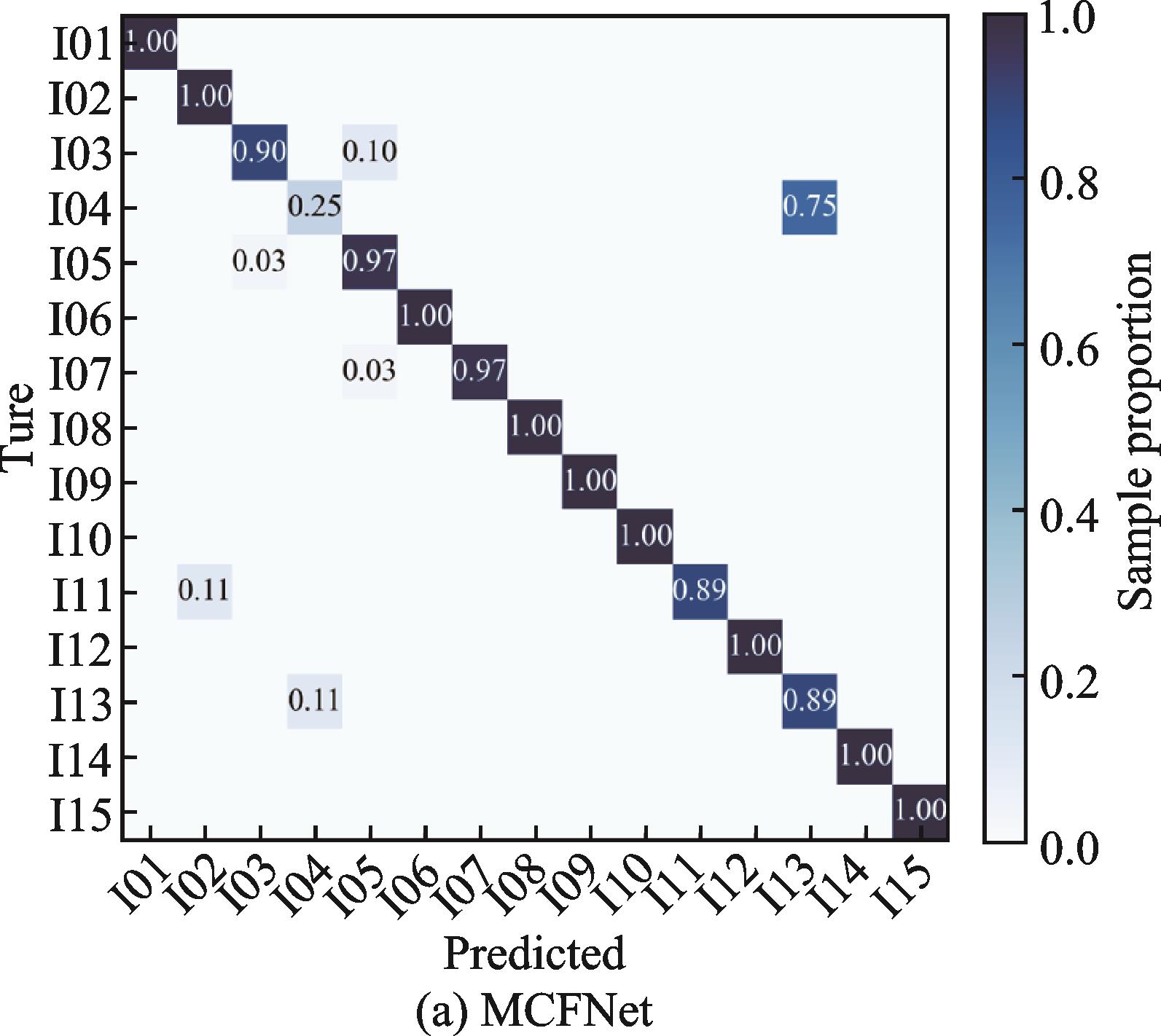
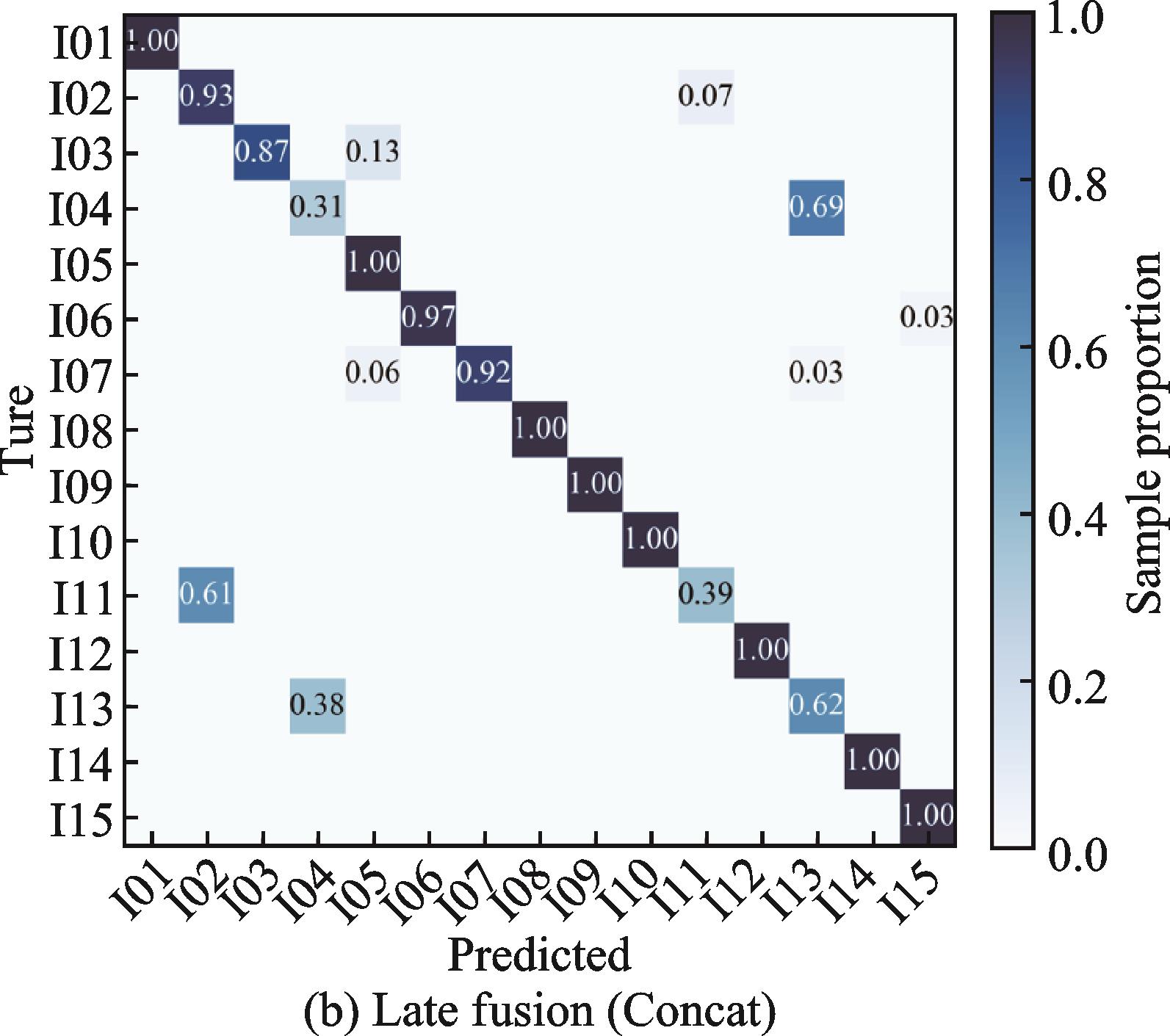
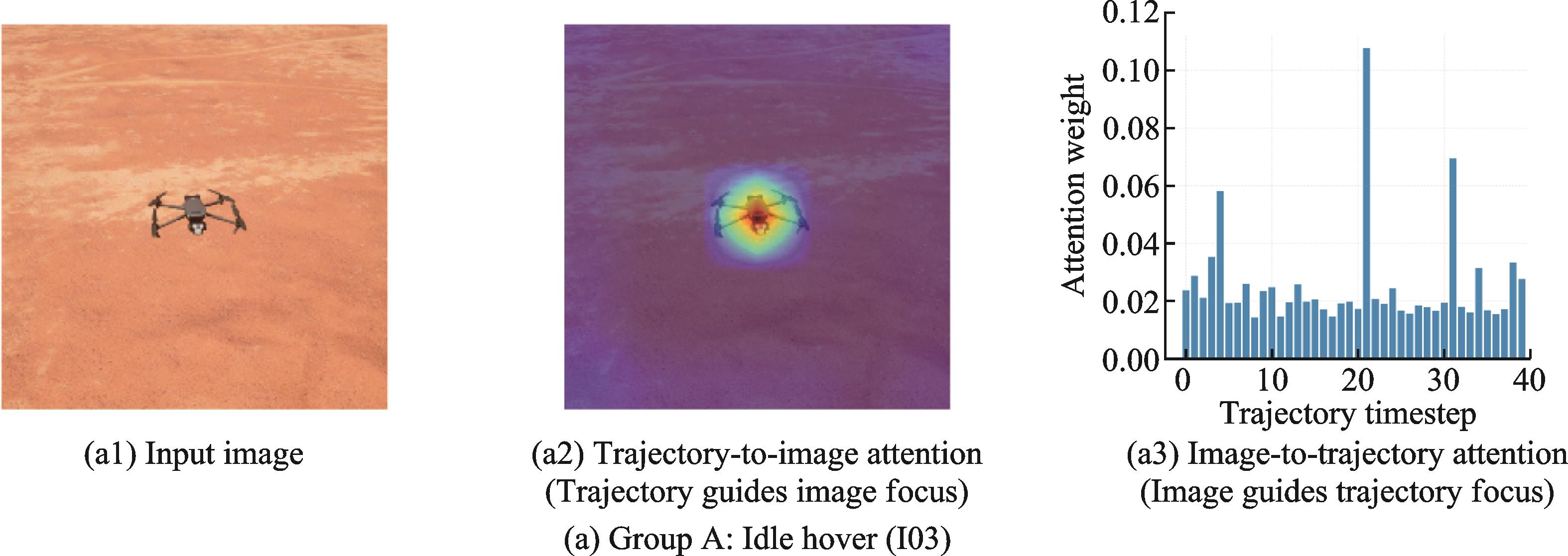
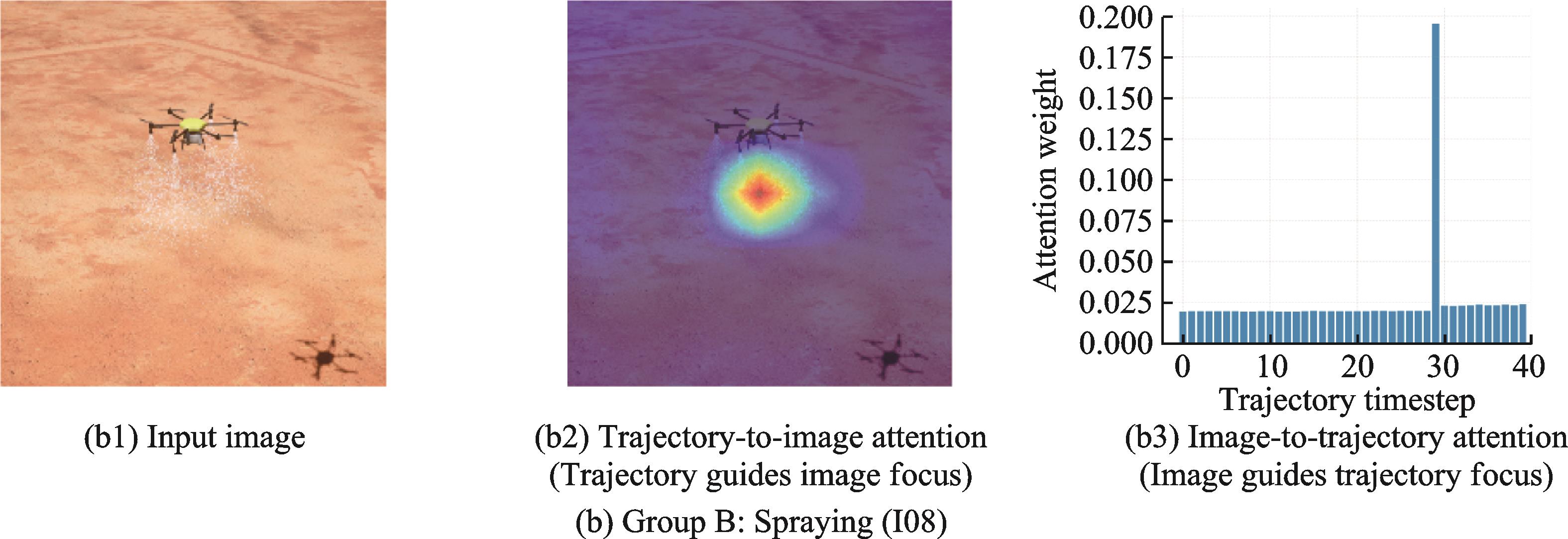
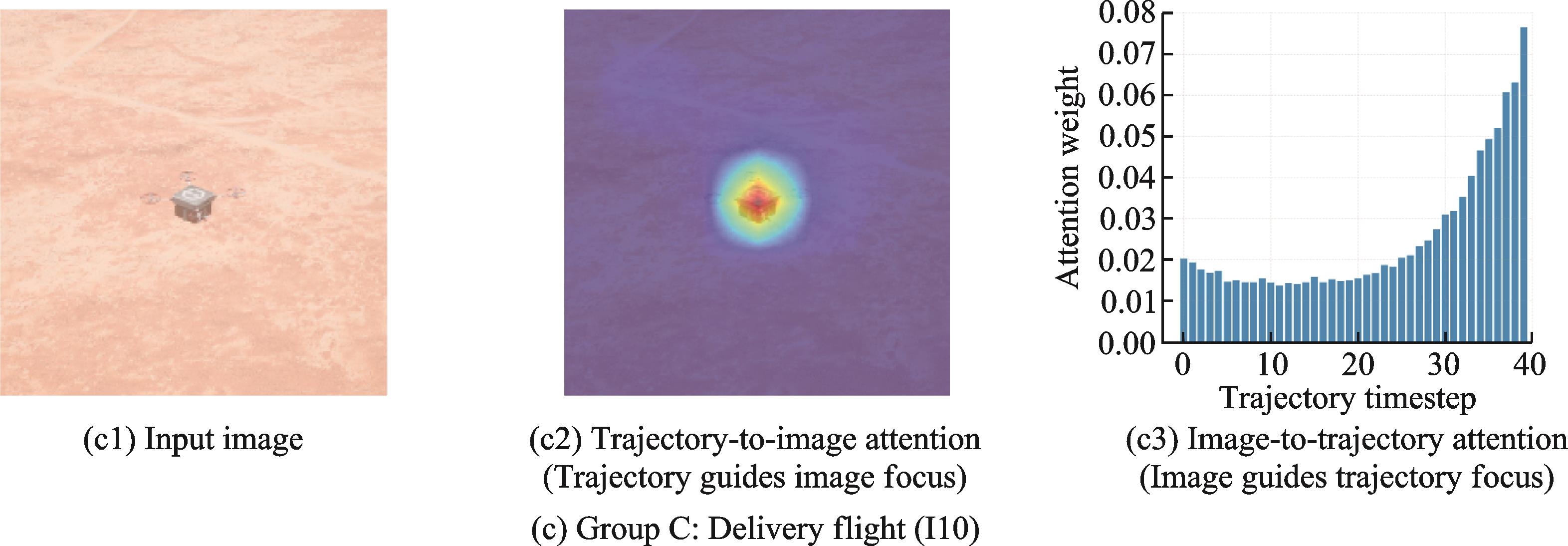
    Low-altitude traffic management requires timely inference of both unmanned aerial vehicle (UAV) platform type and likely mission intent. Declared flight plans can provide intent information for cooperative operations, but non-cooperative, abnormal or partially observed UAVs require inference from observable evidence. The existing surveillance methods mainly detect or track UAVs, classify platform type, or predict trajectories. They therefore remain limited when different missions share similar short-term motion and appearance alone lacks temporal context. This study introduces MCFNet, a multimodal framework that combines an external-view RGB image with an 8 s trajectory history for mission-level UAV intent recognition. Its bidirectional cross-attention fusion links local visual regions with trajectory time steps before classification, allowing cues such as payload state or spray effects to be interpreted with the relevant maneuver segments. Modality dropout reduces single-modality shortcuts, and a consistency loss penalizes invalid type-intent pairs. On 7 290 simulated samples covering three UAV types and 15 intents, MCFNet achieves 89.63%±0.99% intent accuracy, 89.41%±1.00% type-intent joint accuracy and 91.33%±1.05% macro-F1, outperforming the strongest late-fusion baseline by 3.04% and achieving a slightly higher mean intent accuracy than the multimodal bottleneck Transformer (MBT) token-level fusion baseline. The results provide an observation-based route to earlier warning and differentiated decision support for low-altitude traffic management.
    2026(4):546-559, DOI: 10.16356/j.1005-1120.2026.04.005
    Abstract:
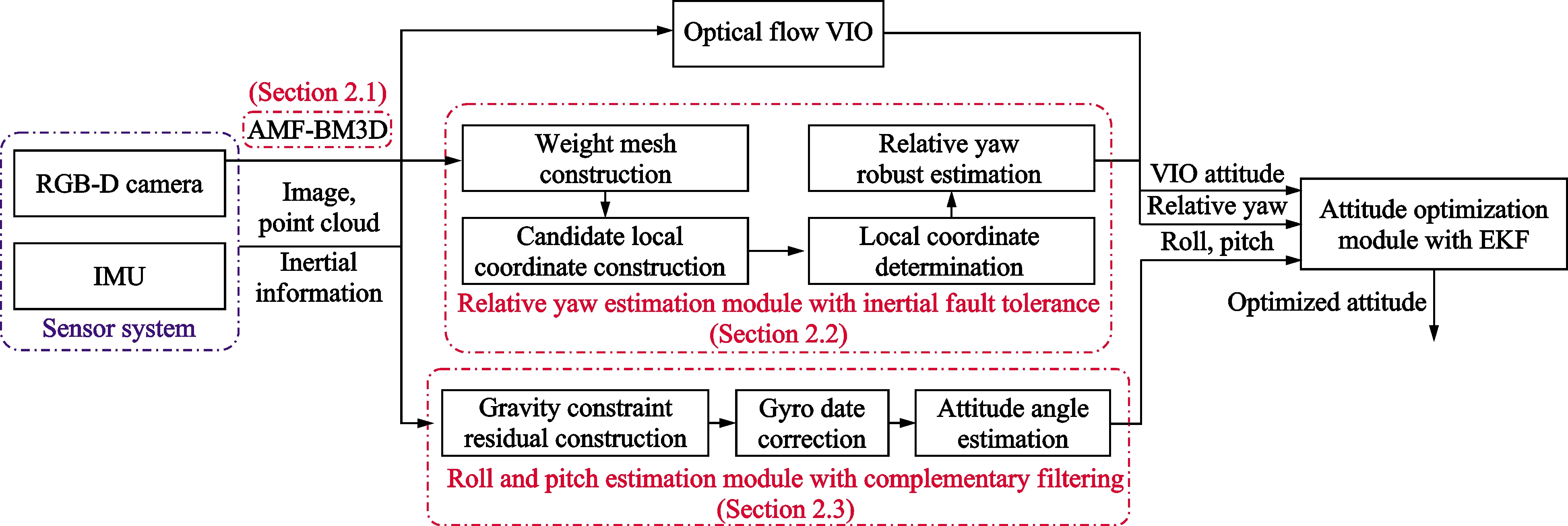
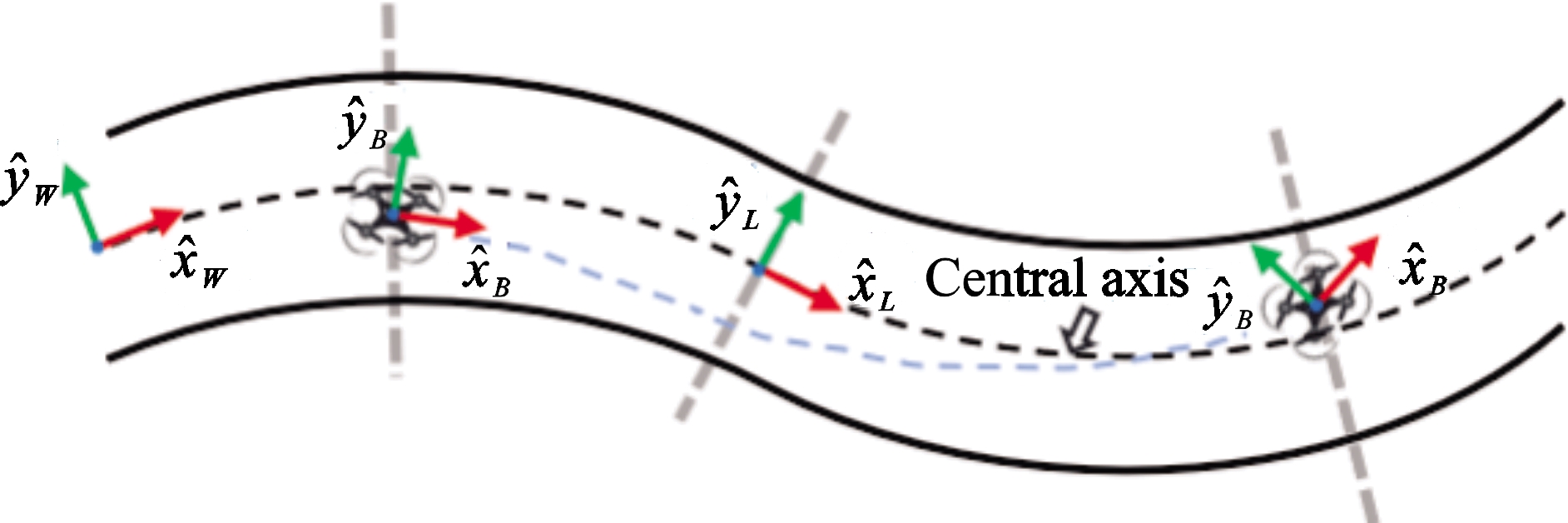
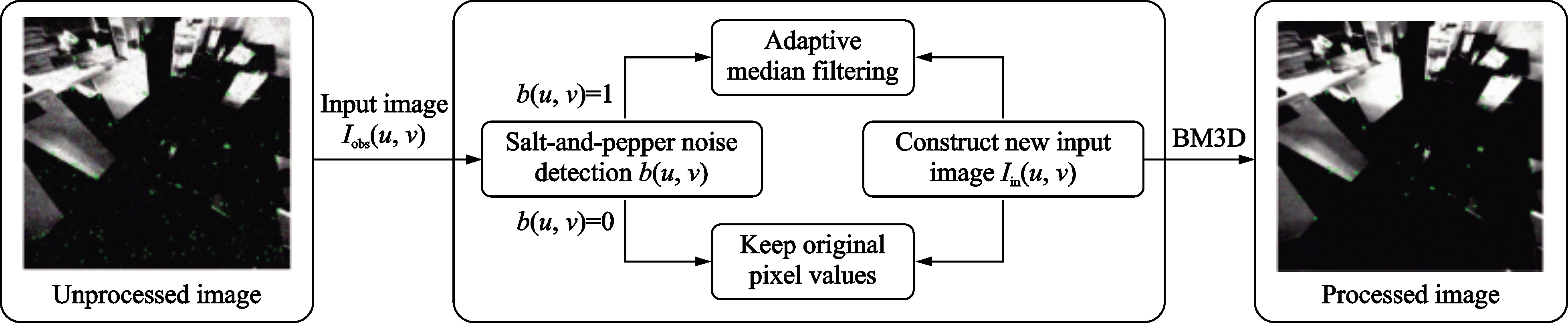
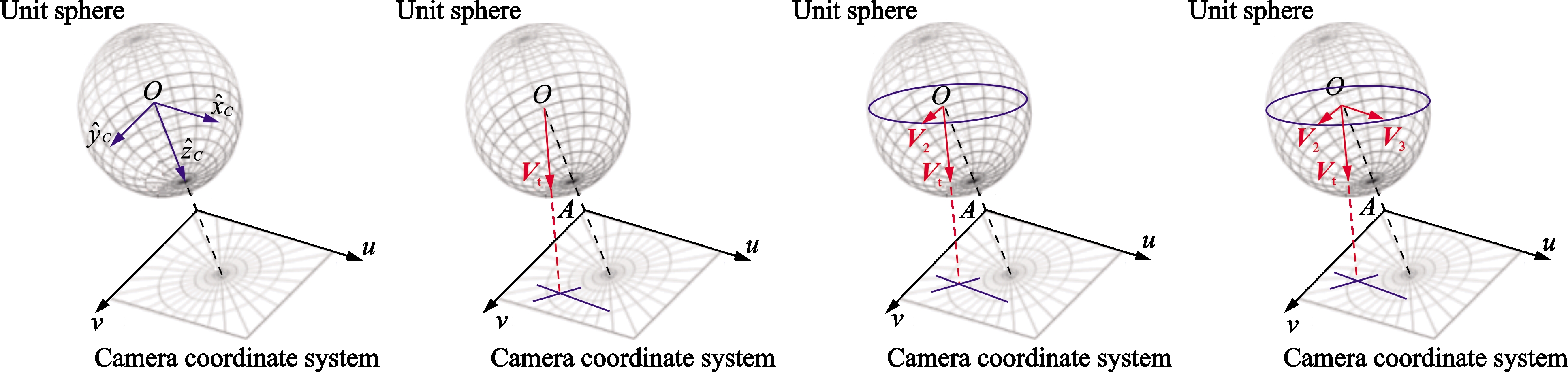
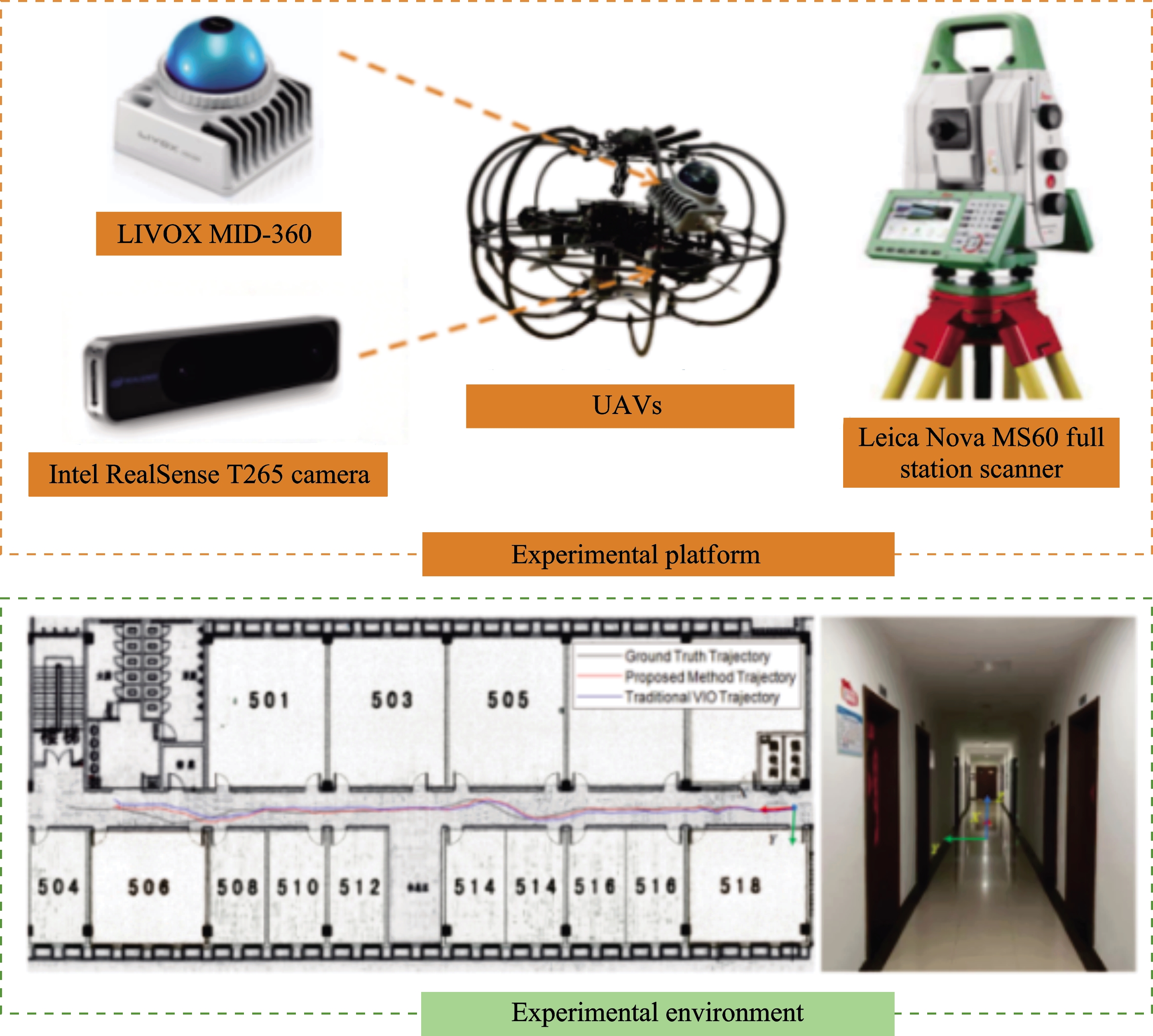
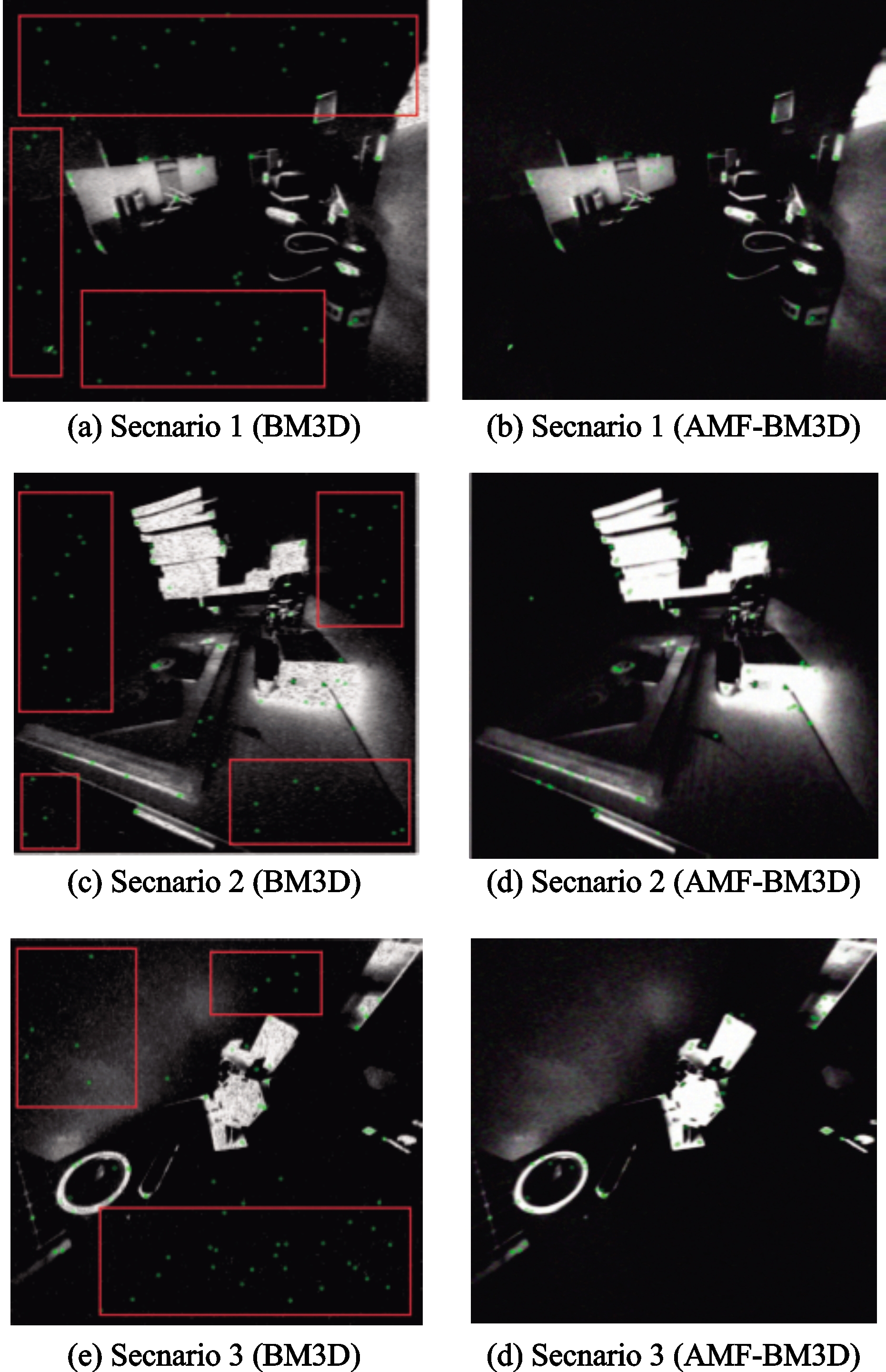
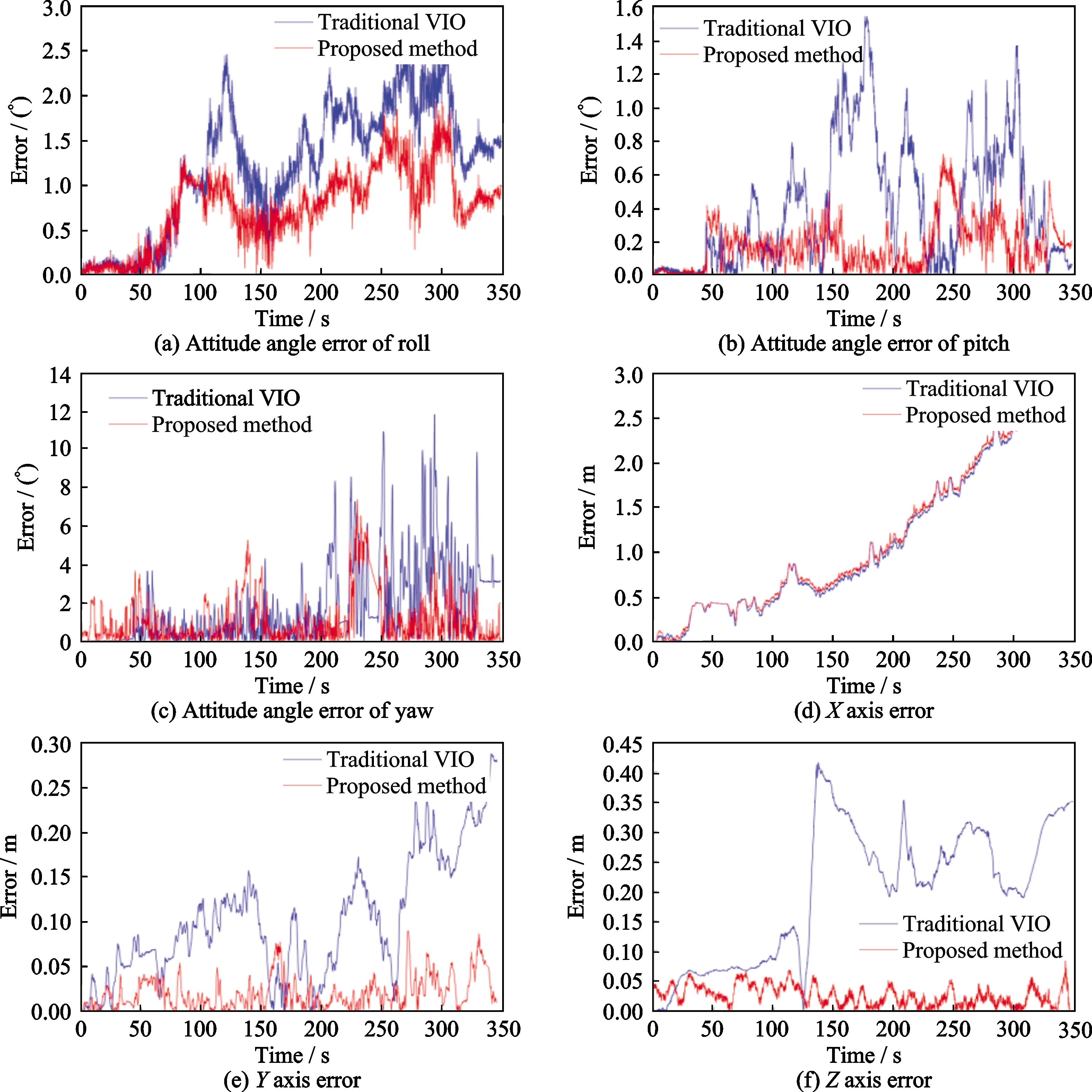
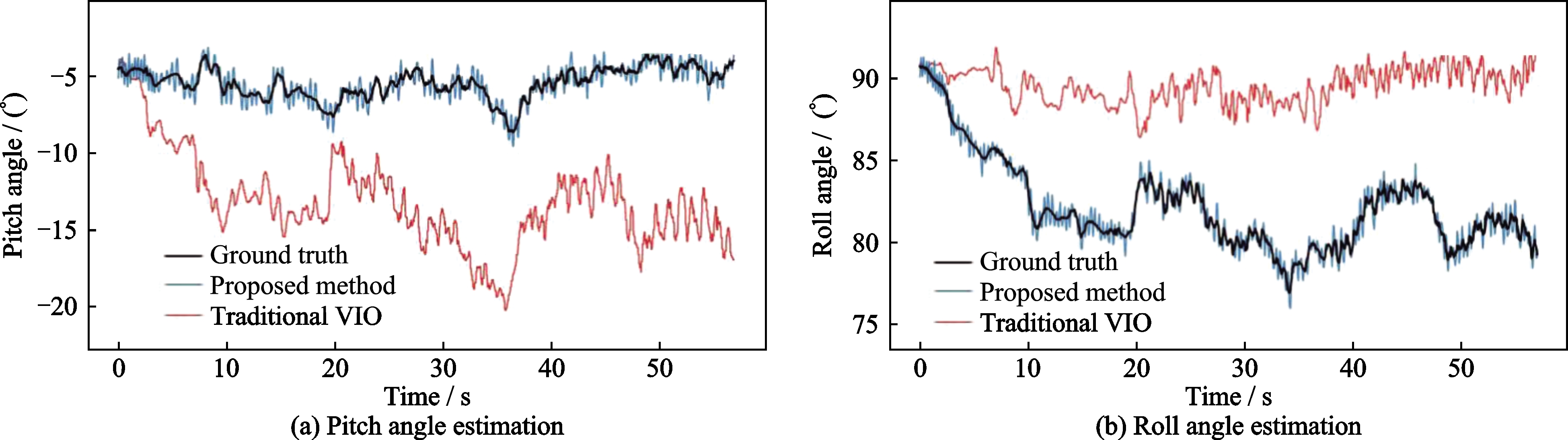
    The integrated utility system is indispensable for maintaining urban stability and services. Regular unmanned aerial vehicles (UAVs) inspections of these facilities are critical for ensuring operational urban systems. Such scenarios, characterized by spatially confined layouts and unidirectional extension, are defined as unidirectional structural (UDS) environment. Given the sparse textural features inherent and darker light to UDS environment, conventional methods fail to ensure safe UAV navigation. Therefore, this paper proposes a structure-assisted visual-inertial odometry algorithm for UAVs in dark UDS environment.The approach enhances the accuracy of camera feature extraction through an adaptive median filtering and BM3D (AMF-BM3D) denoising method, and incorporates an inertial fault-tolerant vanishing point technique to achieve high-precision, cumulative-error-free UAV yaw estimation, while utilizing gravity constraints to eliminate cumulative errors in roll and pitch angles. Finally, the extended Kalman filter (EKF) fuses pose data from conventional visual-inertial odometry (VIO) to obtain refined pose estimation. Experimental validation in UDS environment demonstrates that compared to traditional VIO, the algorithm proposed significantly enhances the accuracy of pose estimation and the safety of UAV flight in the UDS environment.
    2026(4):560-574, DOI: 10.16356/j.1005-1120.2026.04.006
    Abstract:
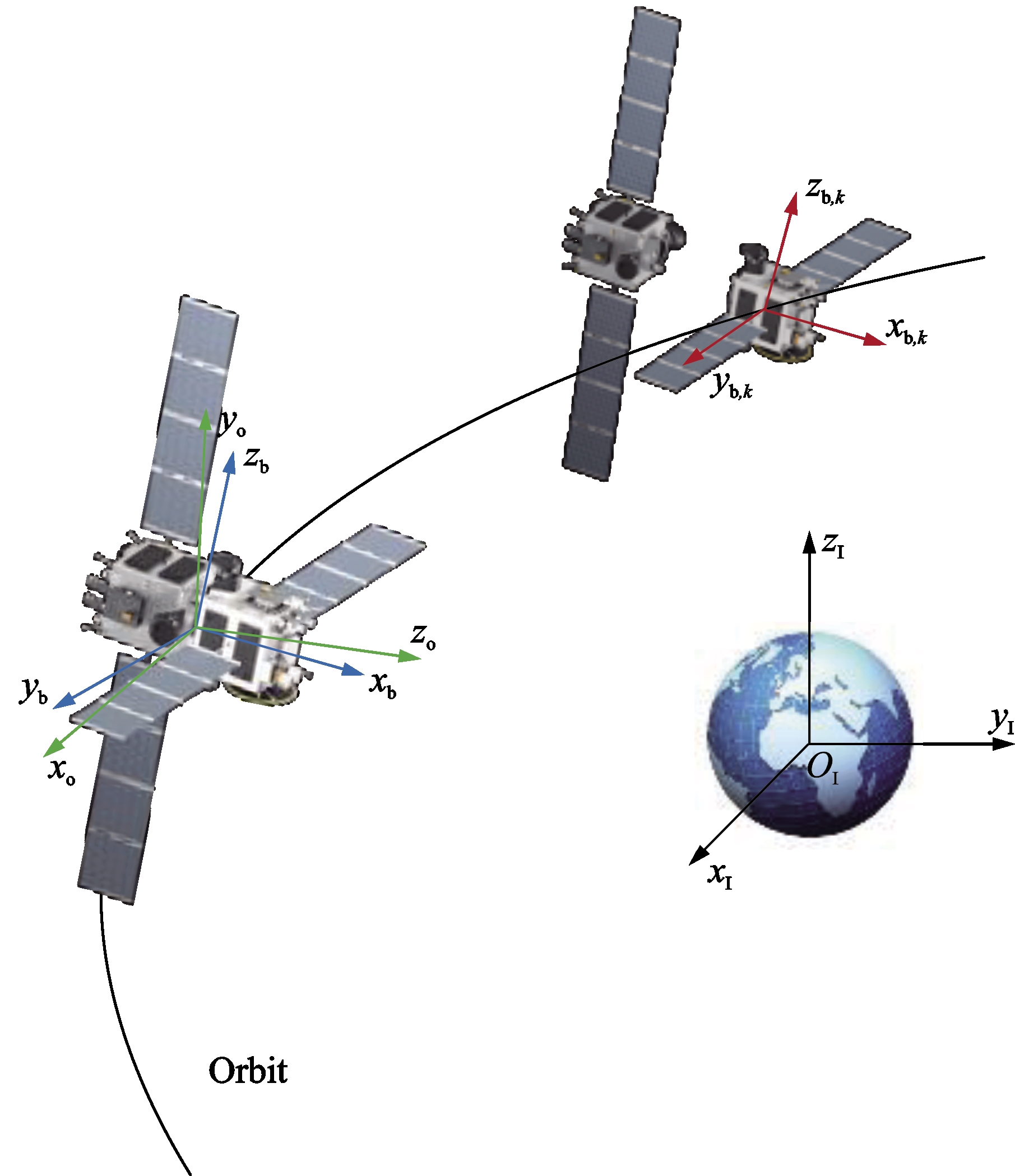
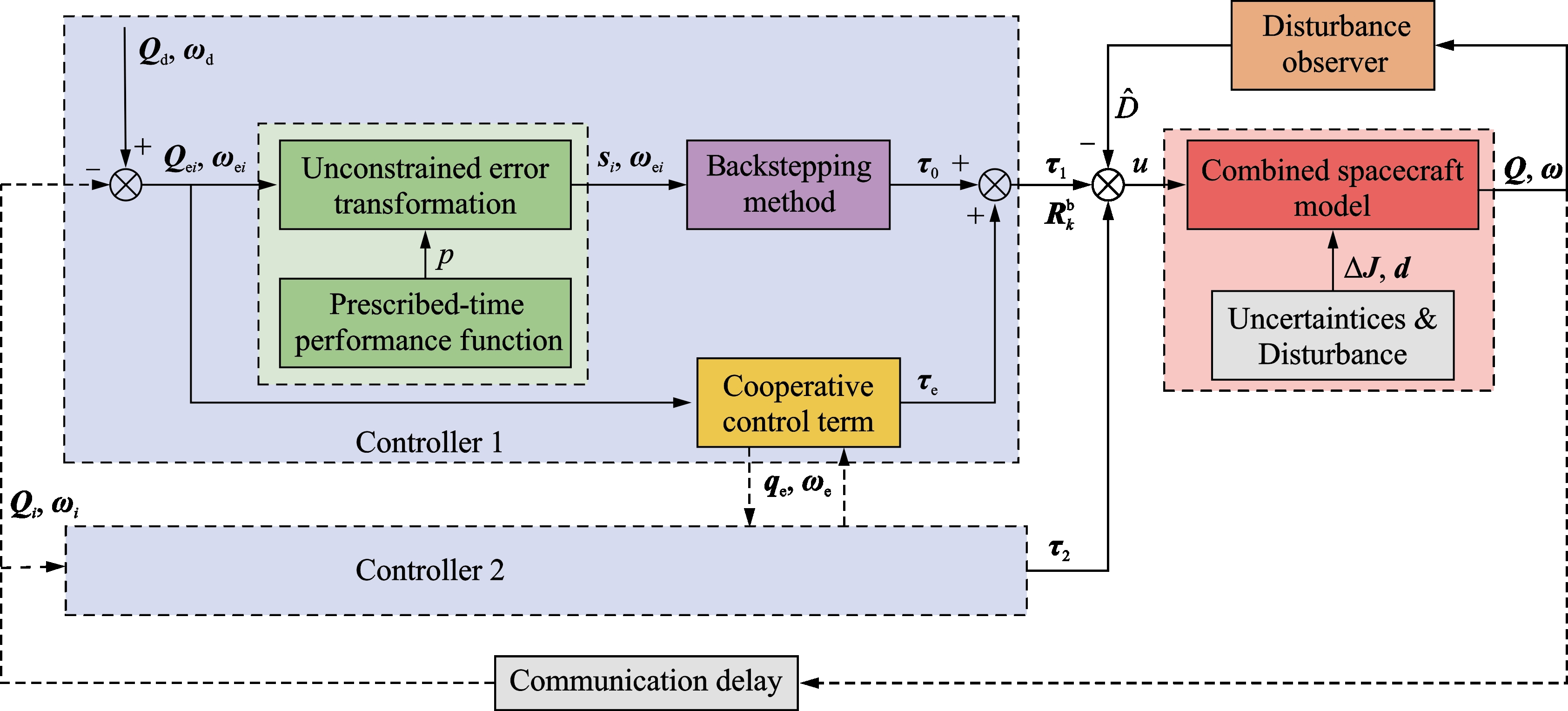
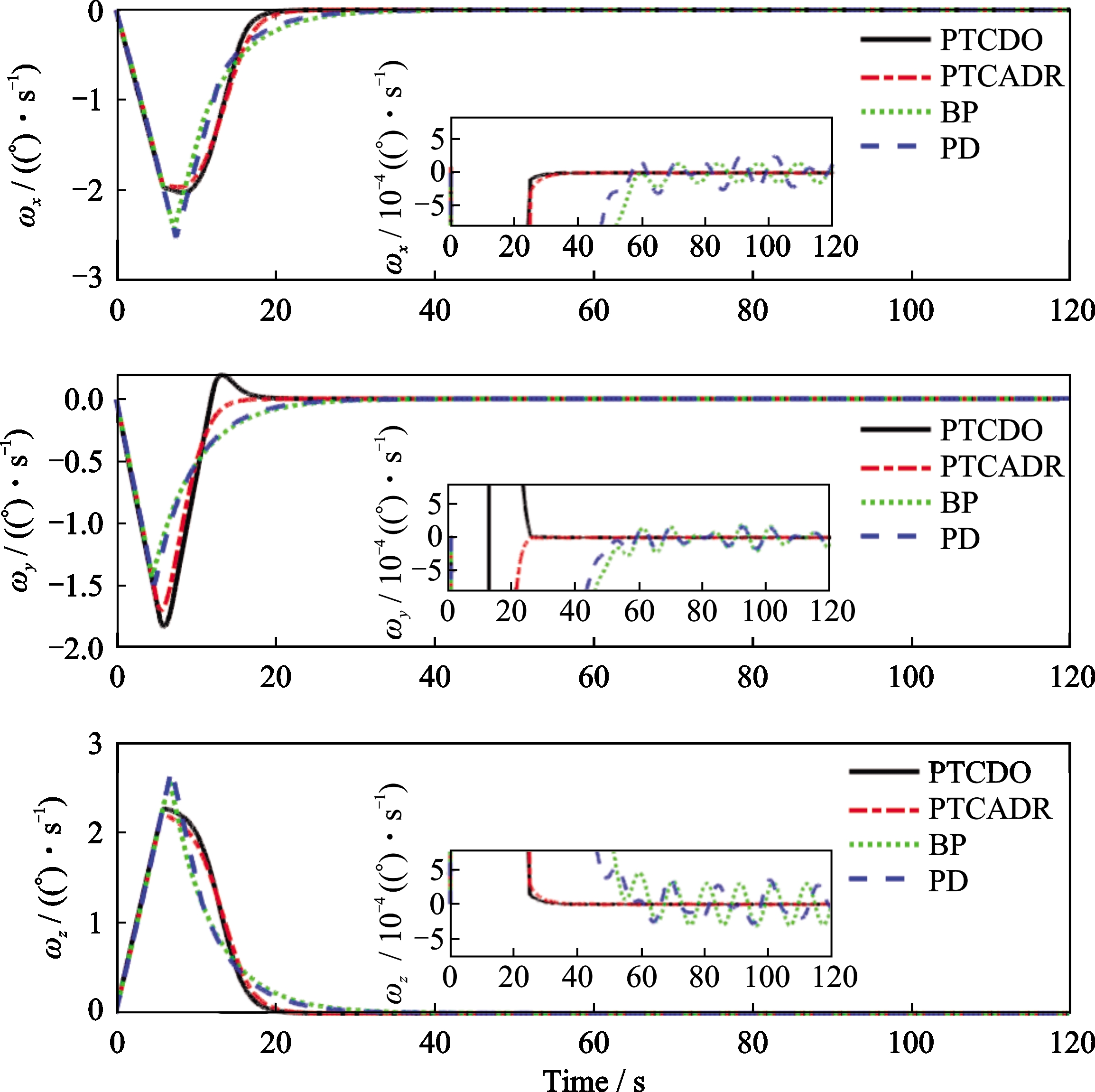
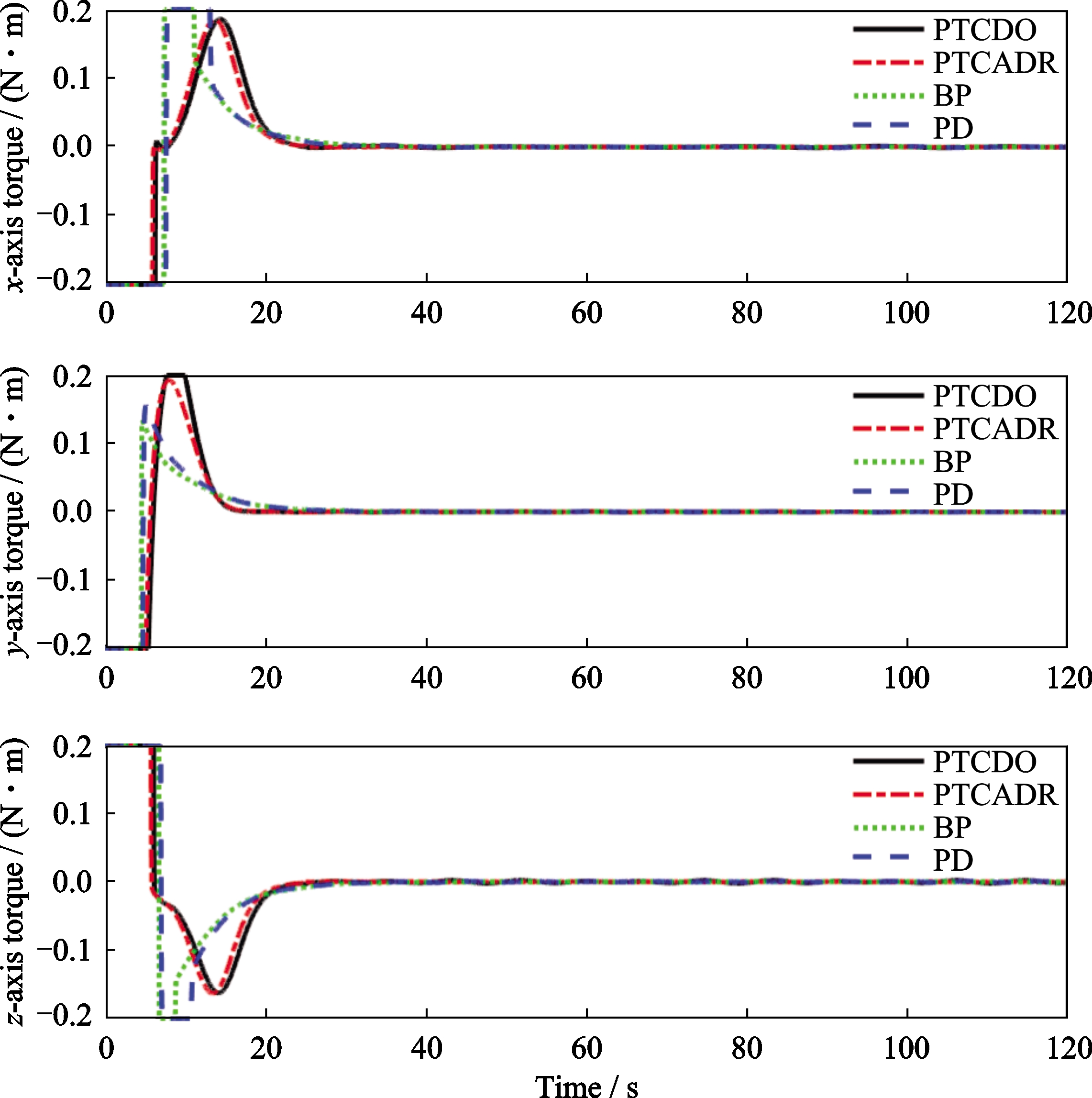
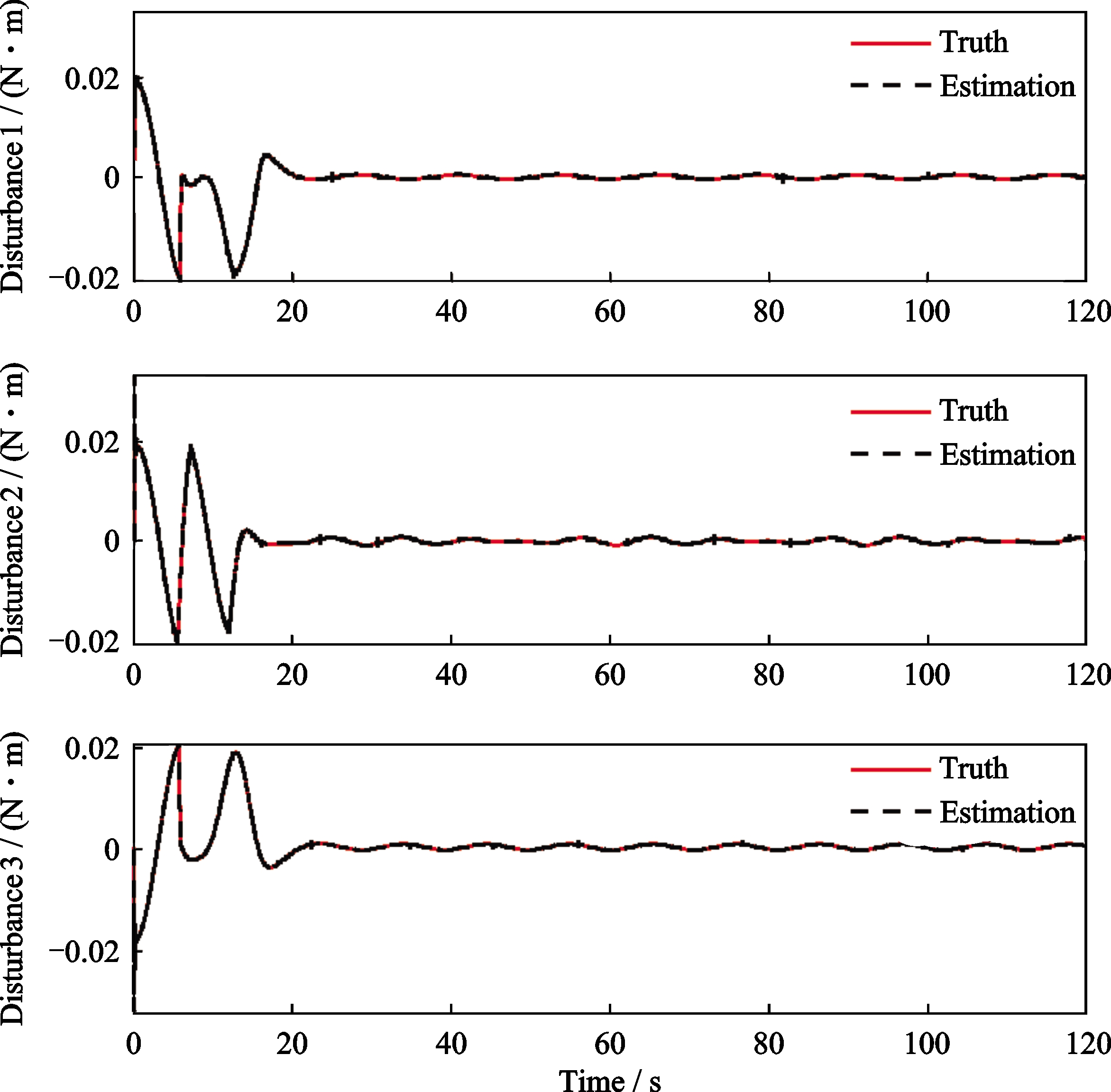
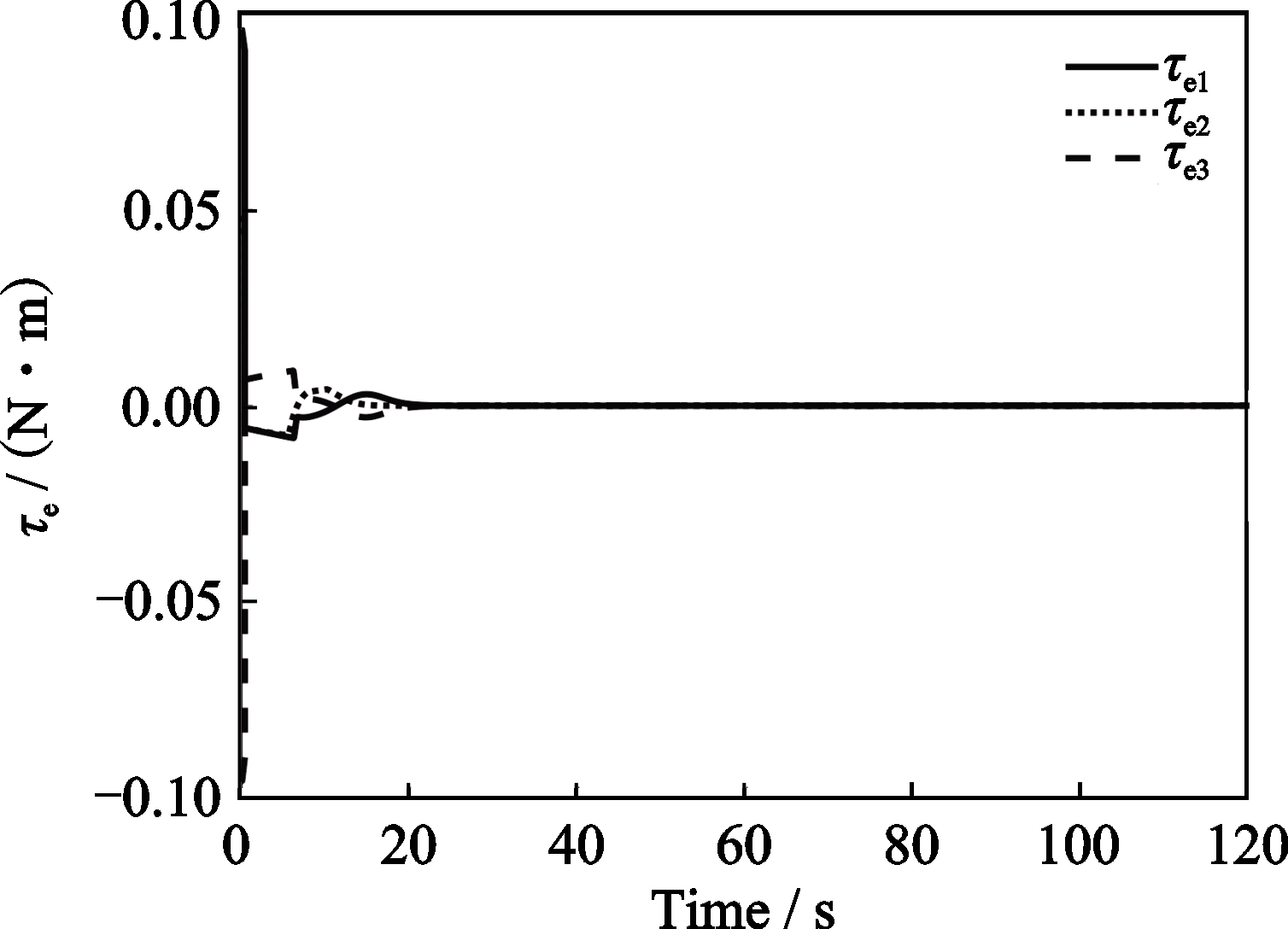
    In on-orbit servicing missions, the servicing spacecraft typically docks with the target spacecraft to form a combined spacecraft to carry out subsequent tasks, and the cooperative attitude control between the two spacecraft is one of the challenging techniques. To address the issues of inertia uncertainty, communication delays, and external disturbances in combined spacecraft attitude control, a prescribed-time attitude cooperative control method based on disturbance observer is proposed. Firstly, a distributed control model for combined spacecraft is established, and a prescribed performance function with directly adjustable convergence time is designed to characterize both the transient and steady-state behaviors of the system. Secondly, integrating the backstepping method, an attitude controller based on prescribed-time performance is developed to achieve fast and accurate attitude maneuvering of the combined spacecraft. Thirdly, a disturbance observer is introduced to estimate the composite disturbance caused by inertia uncertainty and external perturbations. Meanwhile, based on consensus theory, an attitude cooperative controller is designed to compensate for the control torque mismatch caused by communication delays. The system’s stability is then proved using Lyapunov method. Finally, numerical simulations demonstrate that the proposed controller achieves accurate cooperative attitude control of combined spacecraft within the prescribed time under the above disturbances.
    2026(4):575-591, DOI: 10.16356/j.1005-1120.2026.04.007
    Abstract:
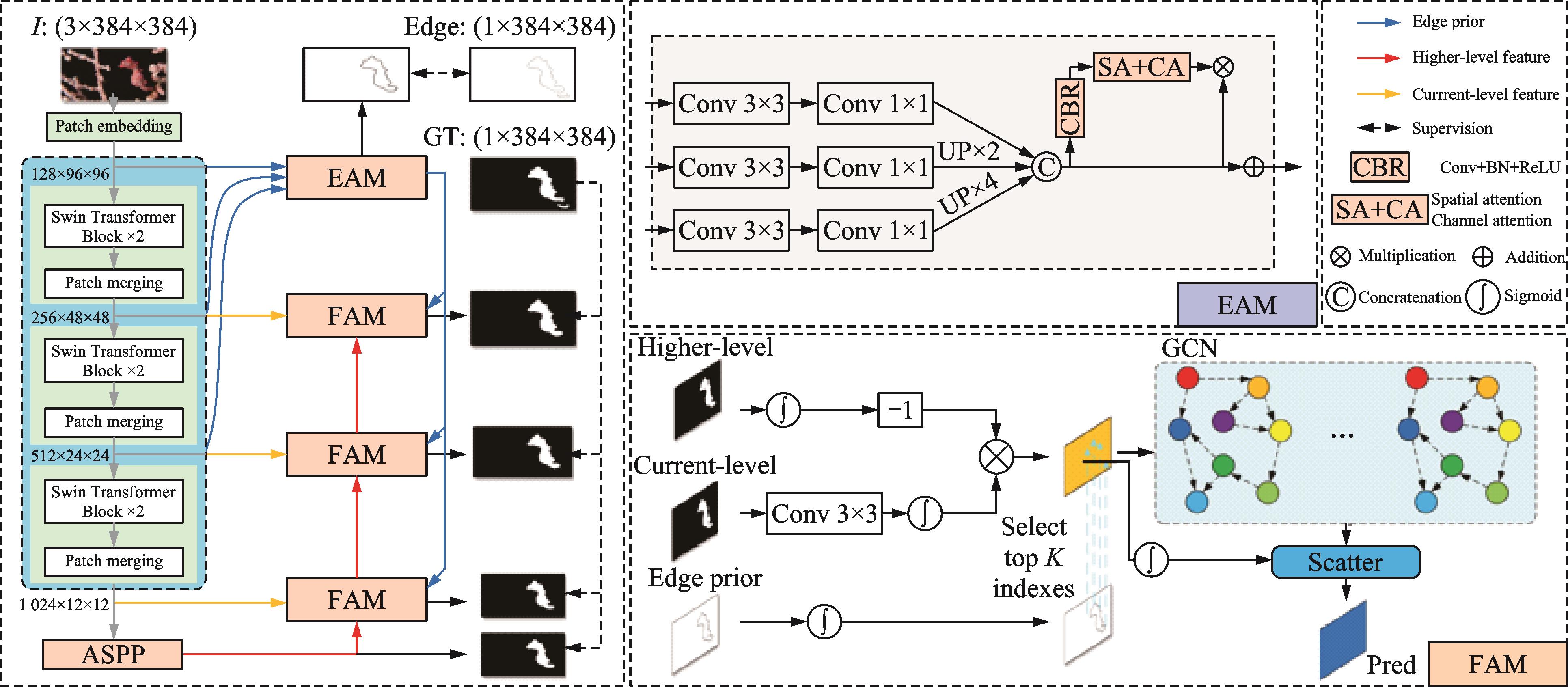
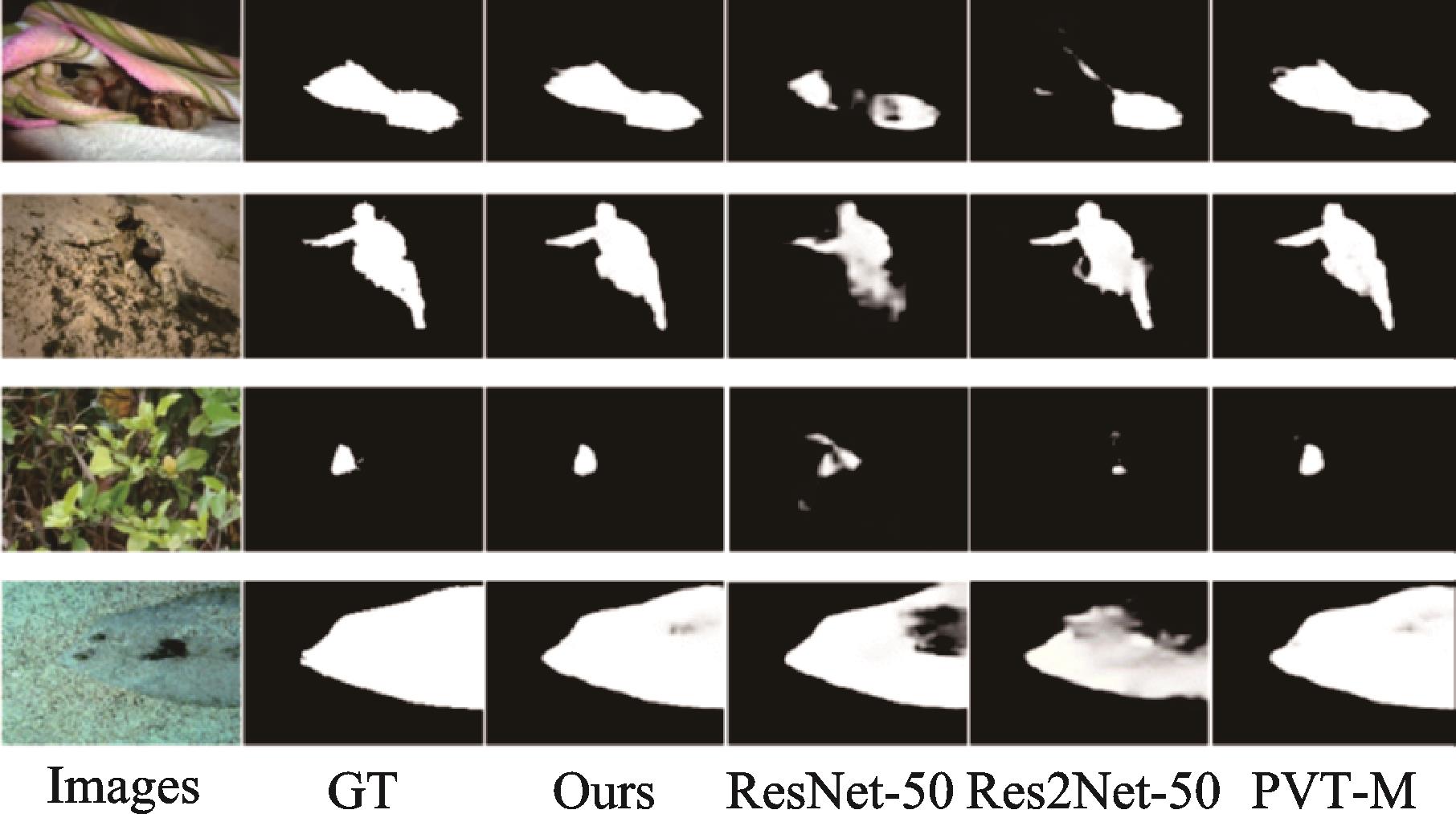
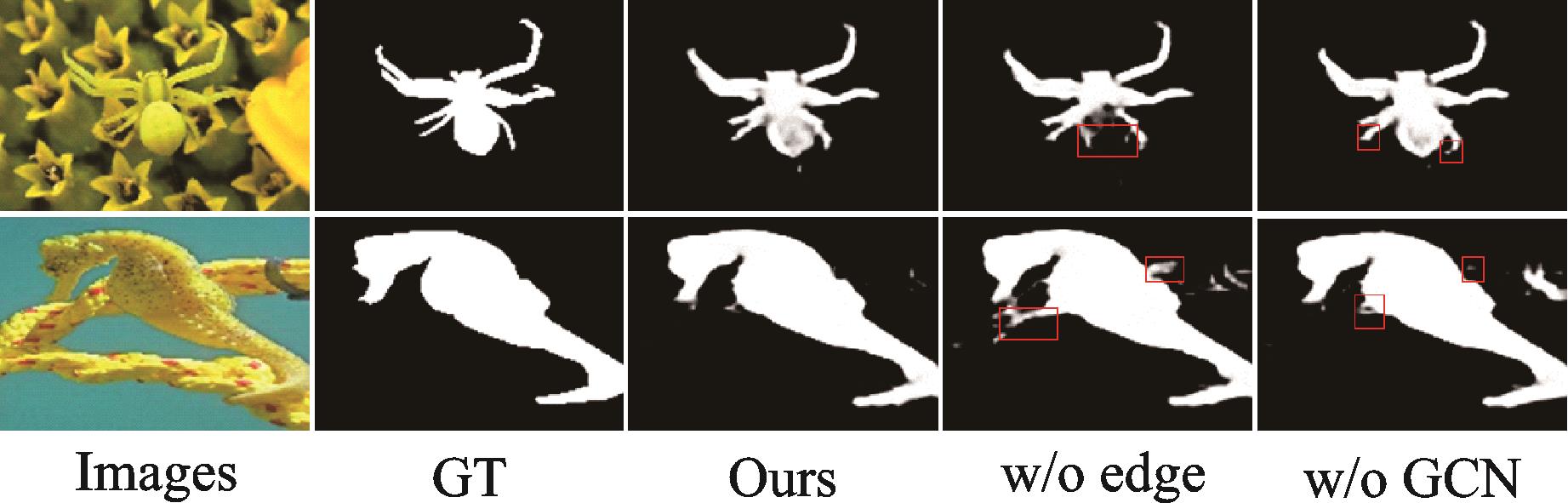
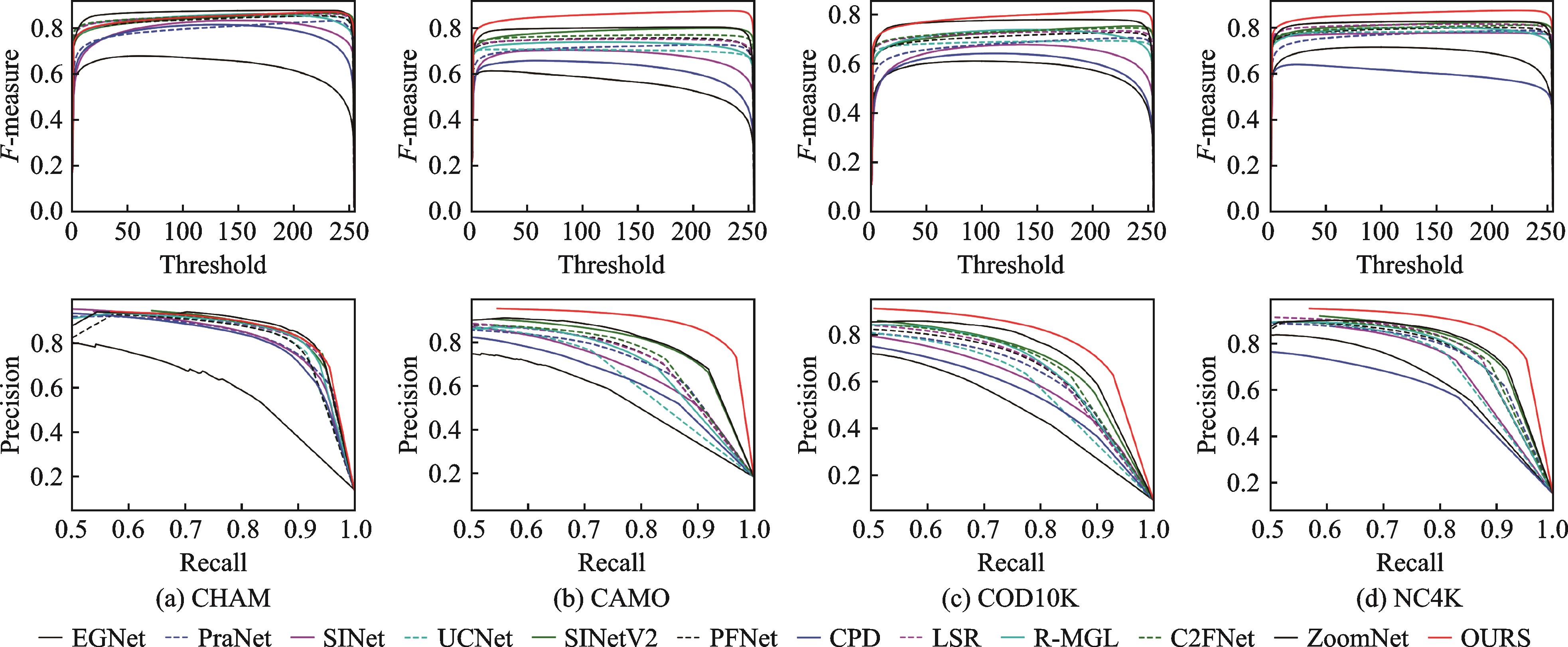
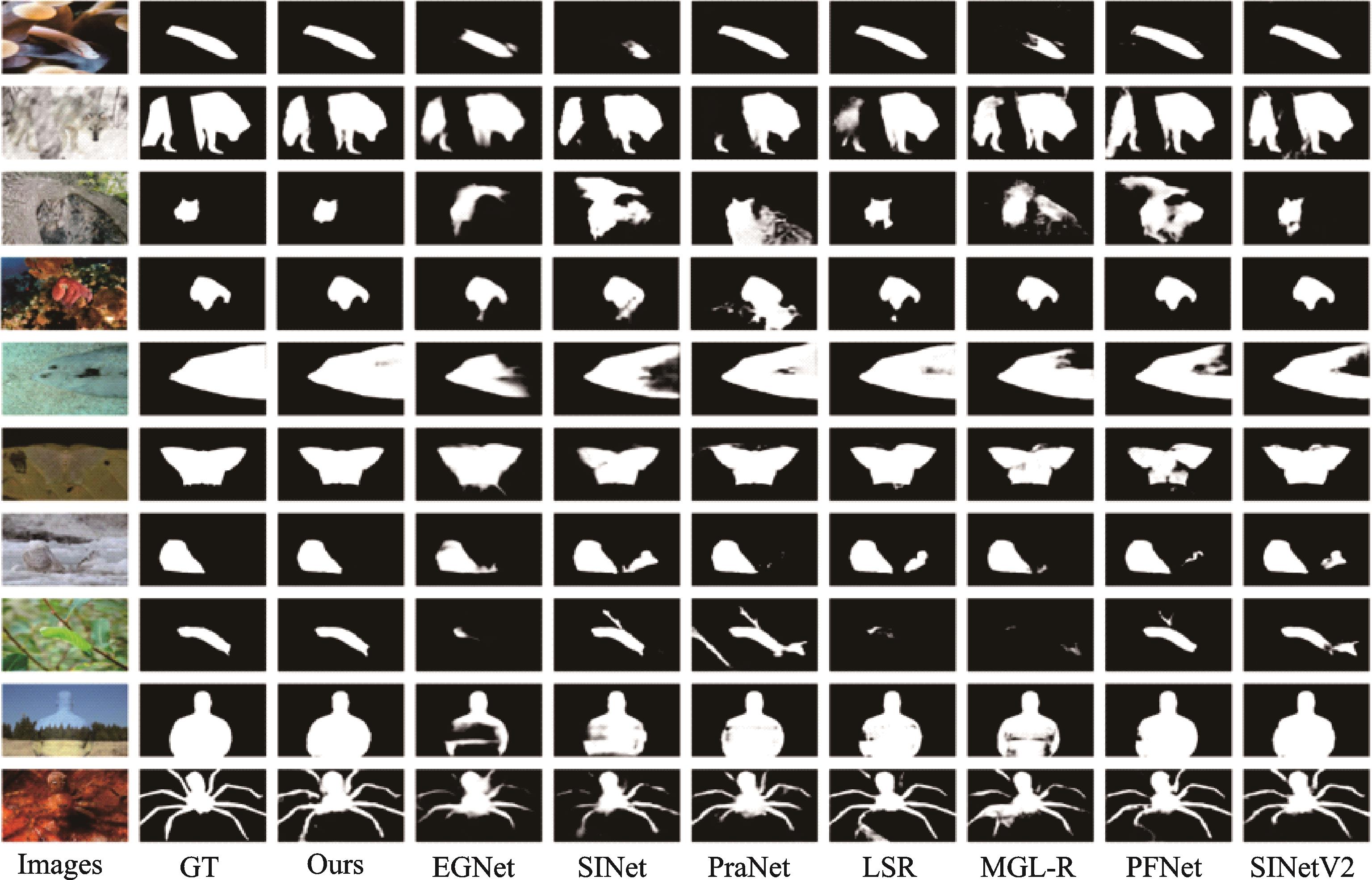
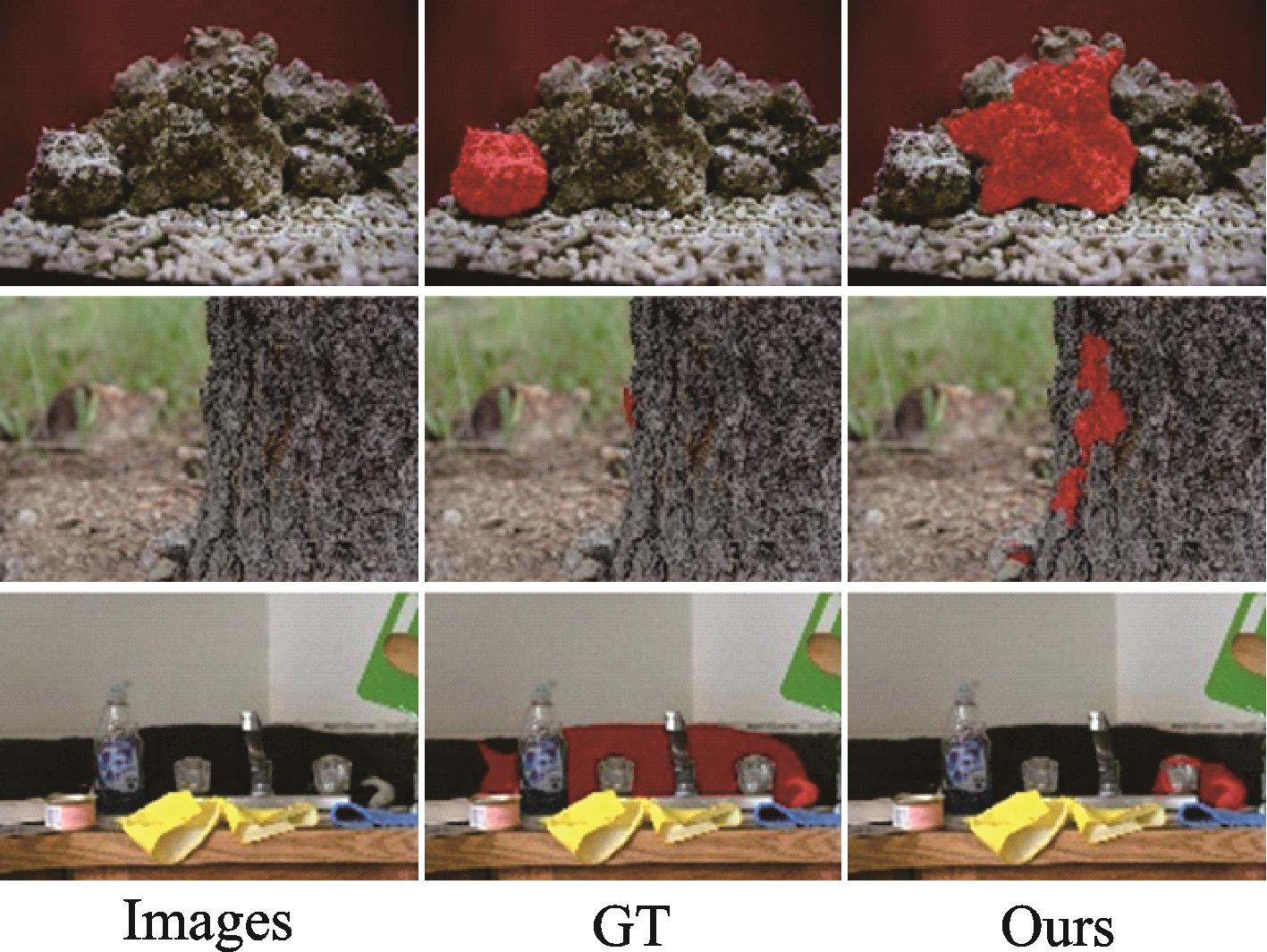
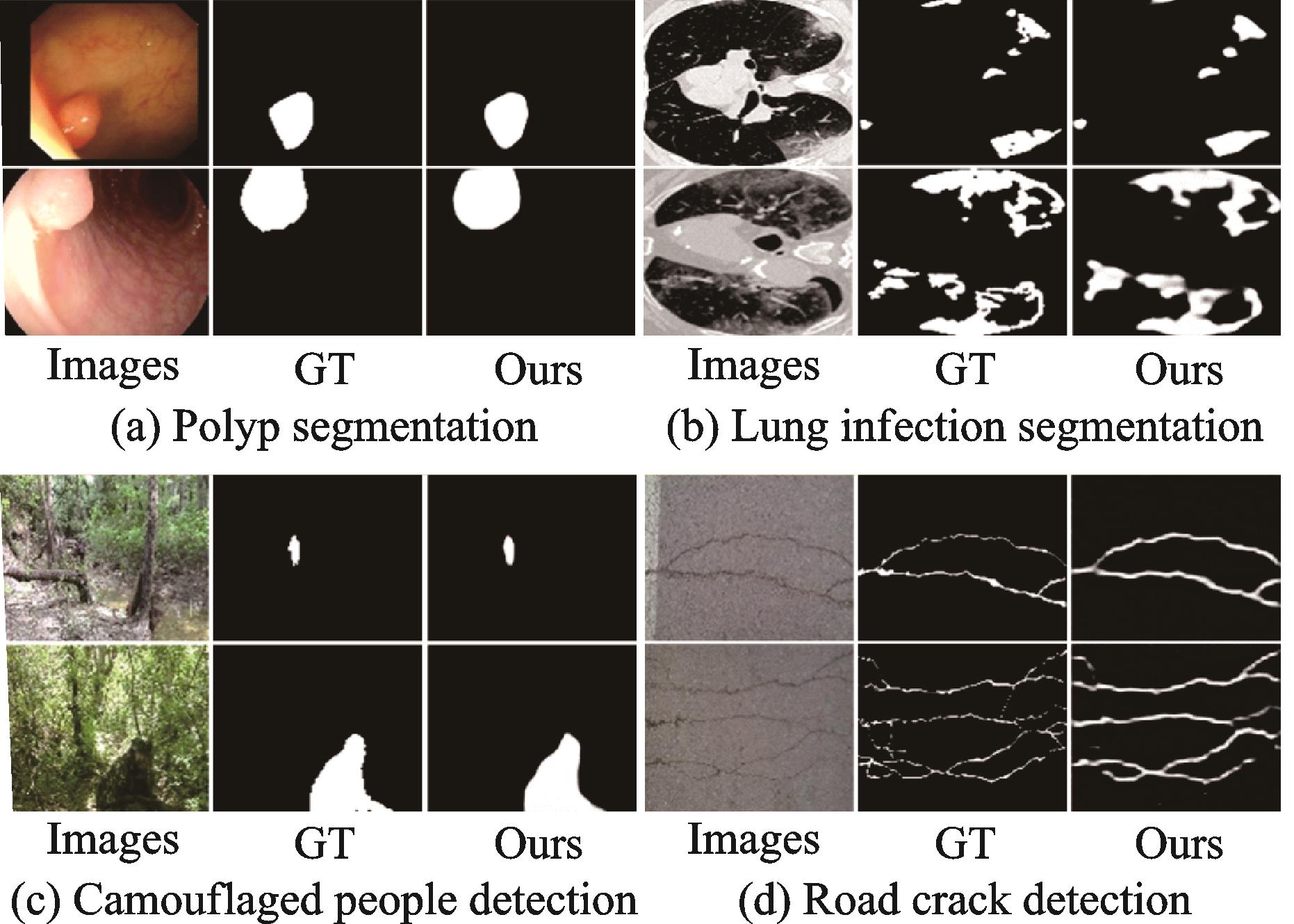
    Compared with generic object detection, camouflaged object detection (COD) is more difficult due to its high similarity to the background. Most COD methods used convolutional neural network (CNN) in the past. In contrast, we note the great potential of Transformer in vision tasks, so we use Swin Transformer as the backbone to generate more robust multi-level features. Considering the complex characteristics between the camouflaged object and the background, we propose an edge-aware module (EAM) to generate a fine edge prior. In addition, the feature aggregation module (FAM) is used to fuse multi-level features, and the internal connections between edge points are investigated by feeding edge feature pixels into a graph convolutional network (GCN) to purify uncertain edge points, then guiding multi-level feature fusion operation. We reduce indistinguishable noise by cascading several FAMs and get prediction maps with sharp edges. Experimental results show that the proposed model can run at the real-time speed of 46 frames per second (FPS) on a single NVIDIA 2080Ti GPU. Comparing with 12 state-of-the-art COD methods on four public datasets, the proposed method outperforms other approaches.
    2026(4):592-613, DOI: 10.16356/j.1005-1120.2026.04.008
    Abstract:
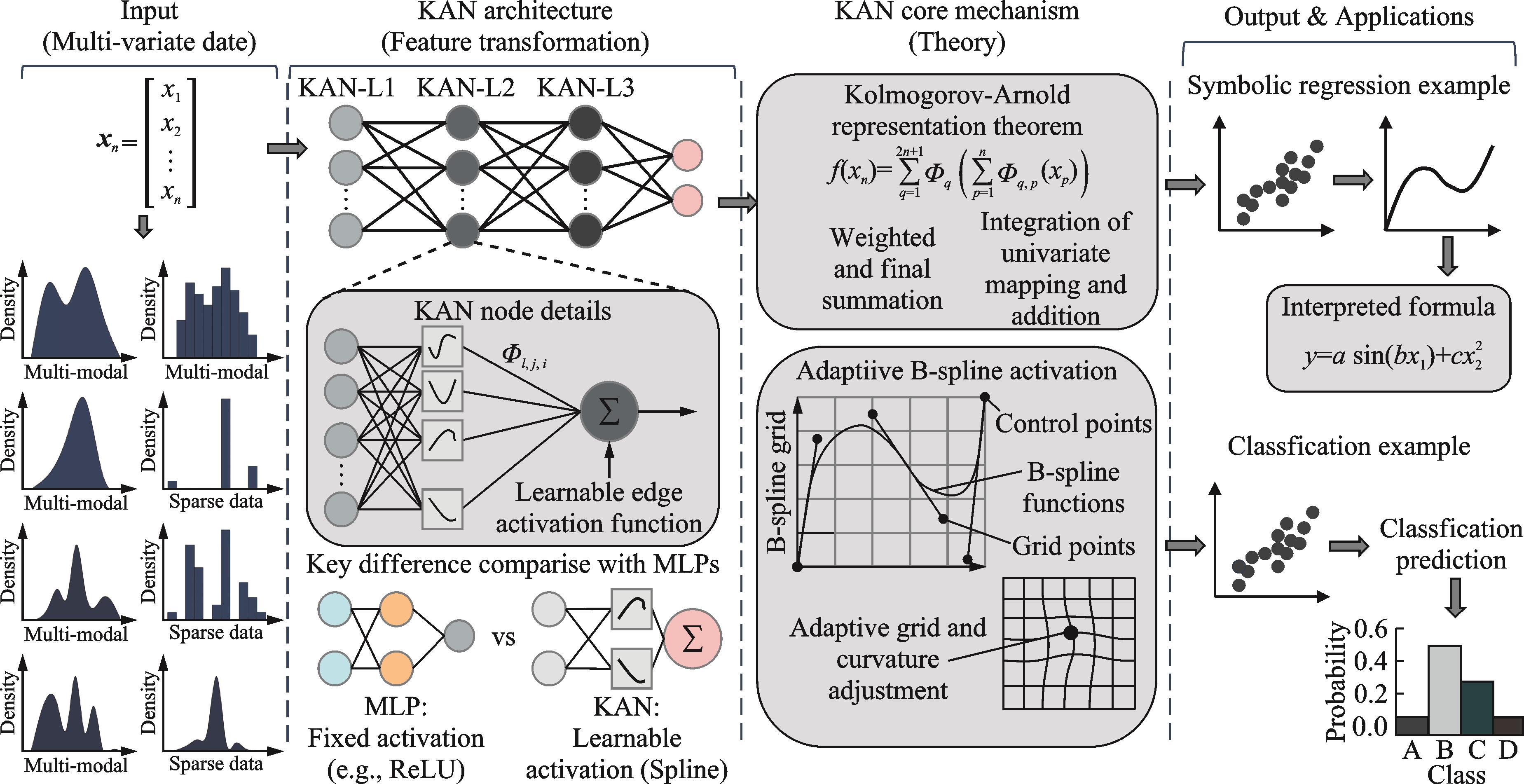
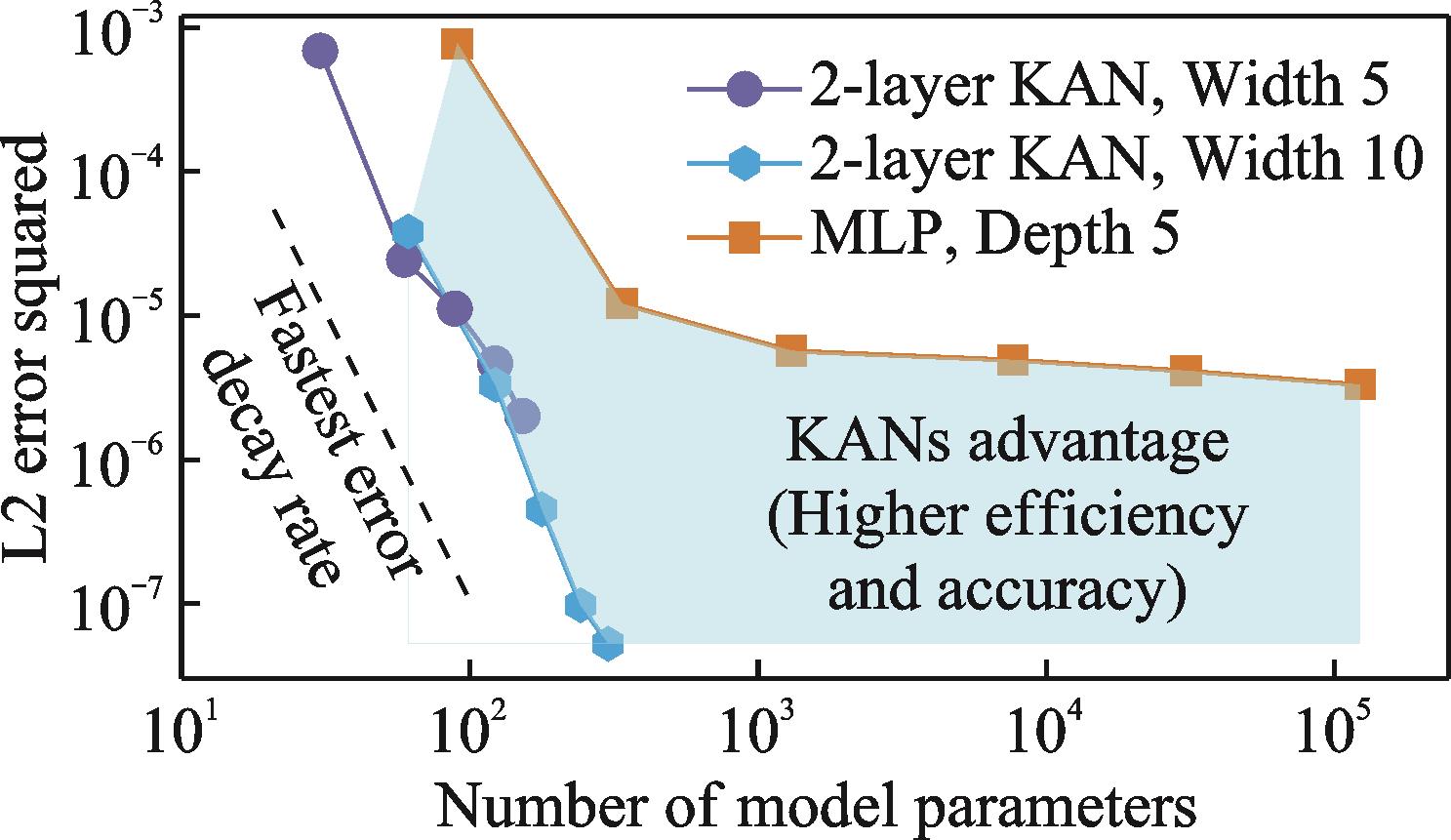
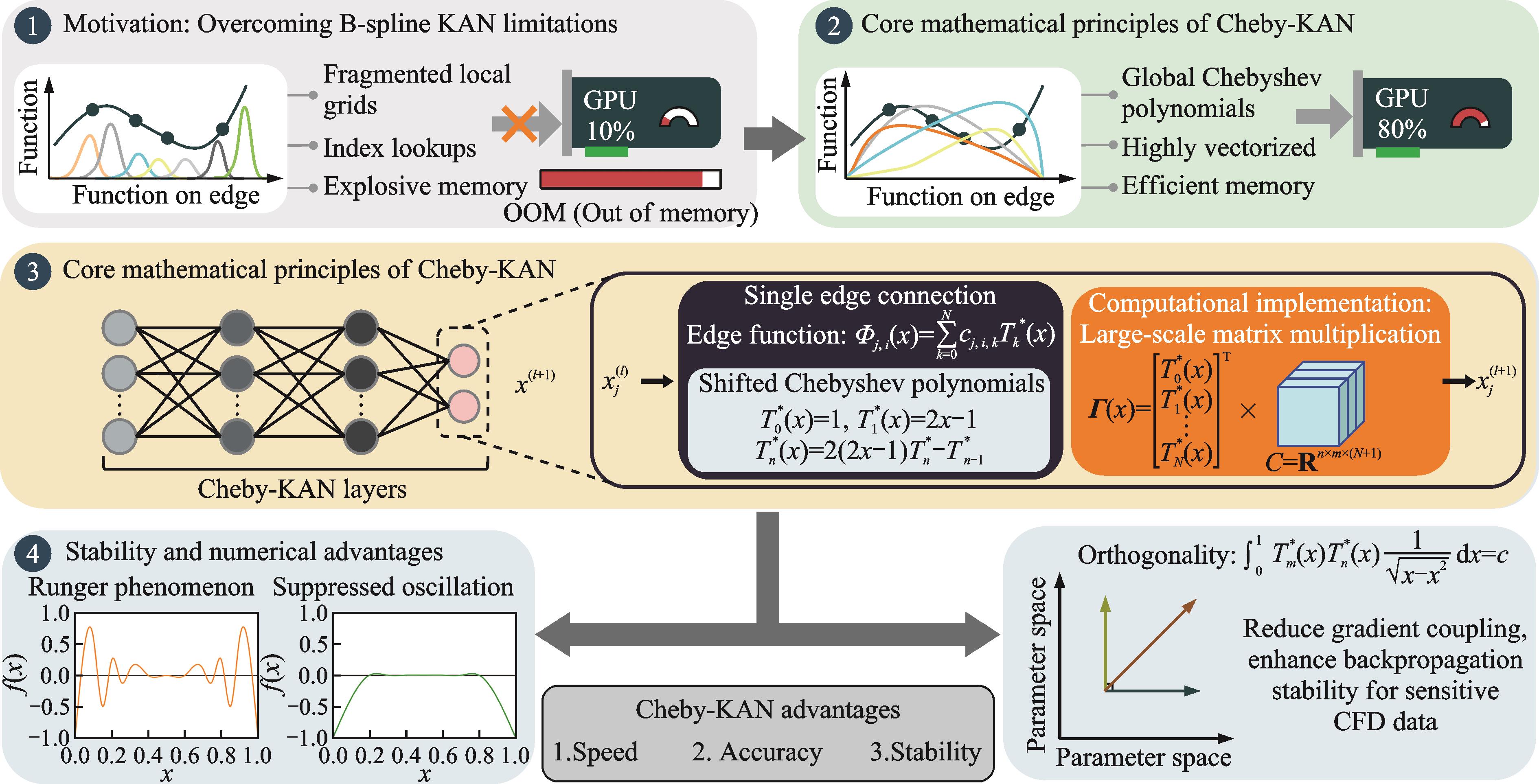
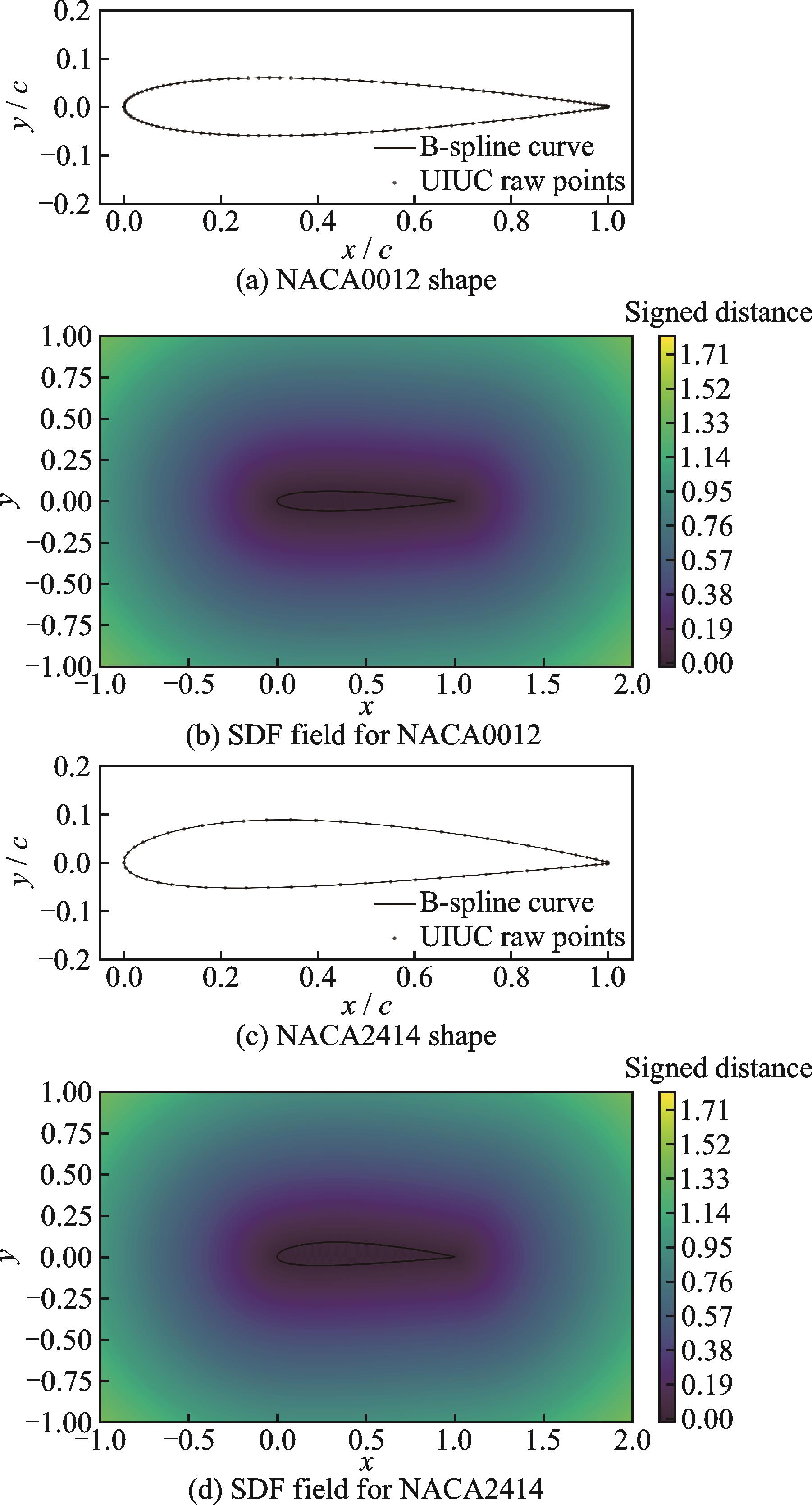
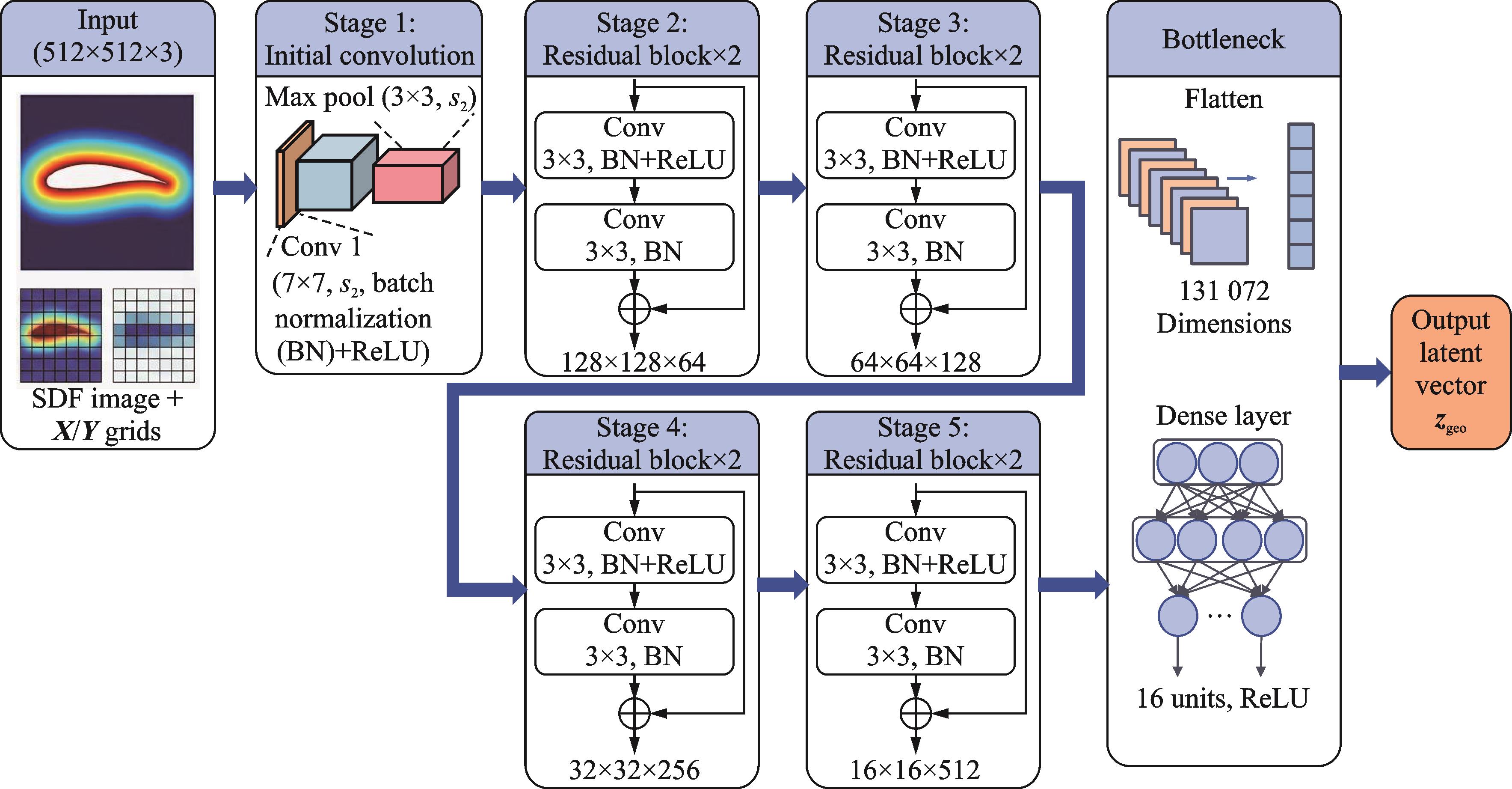
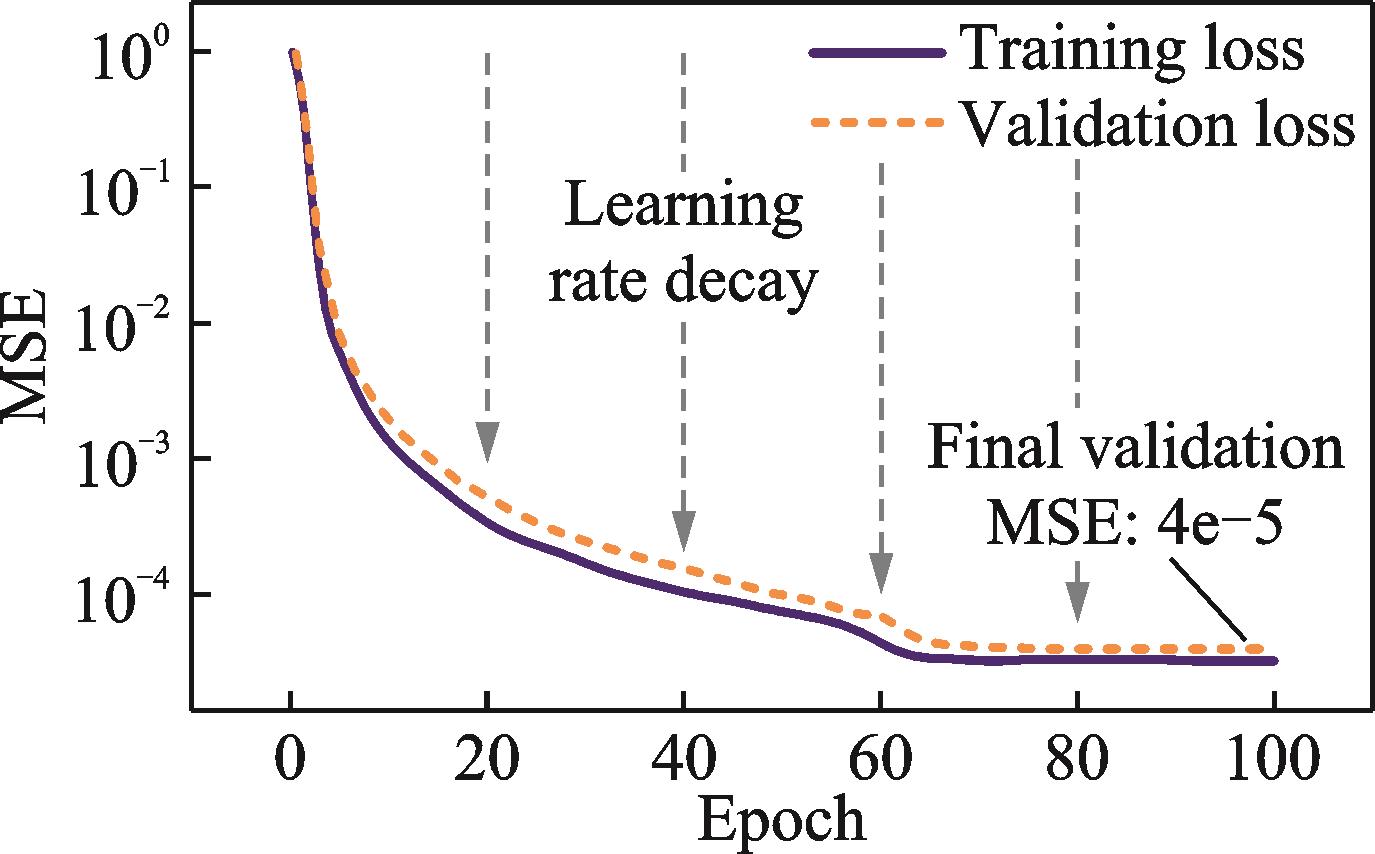
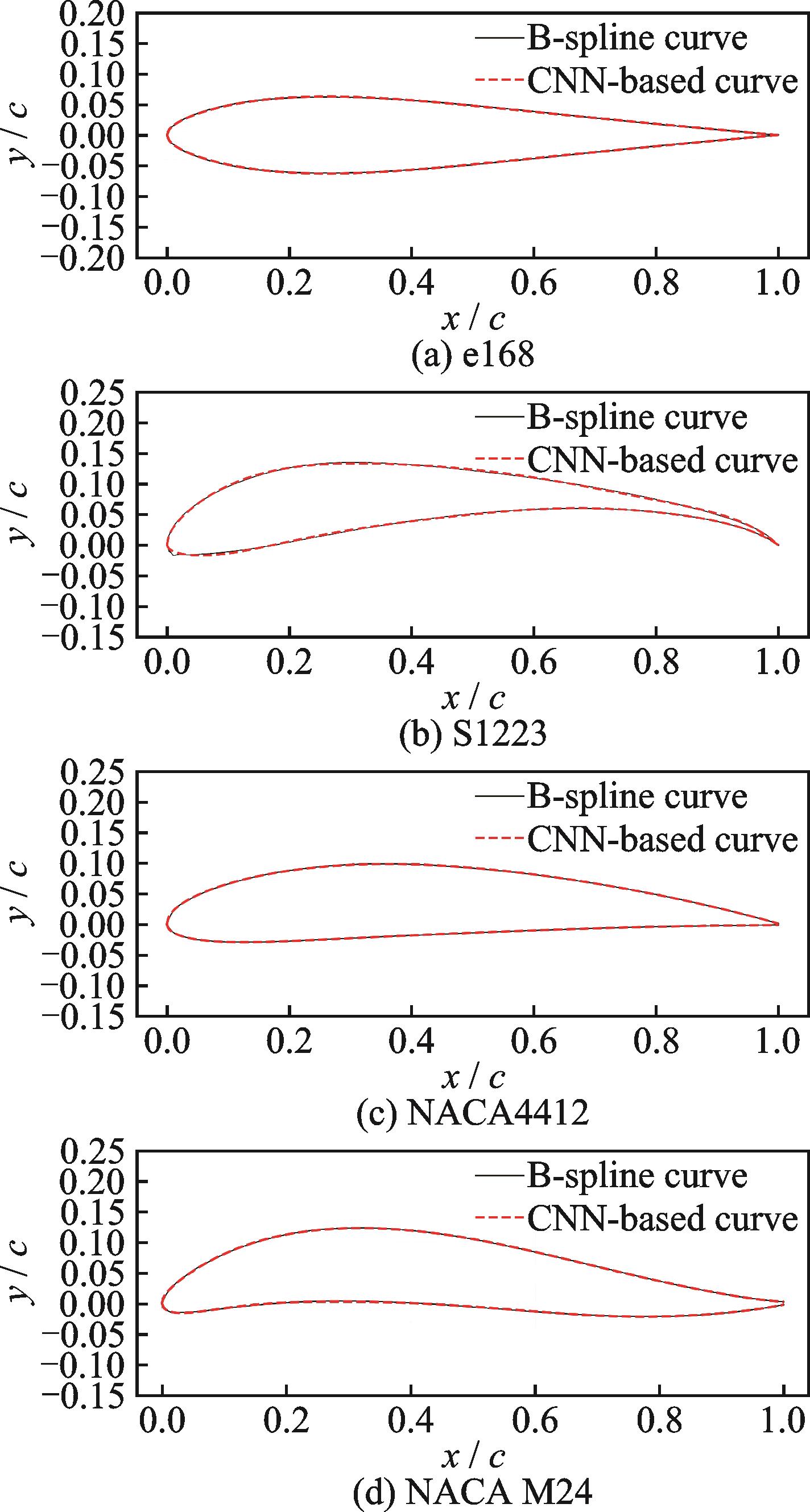
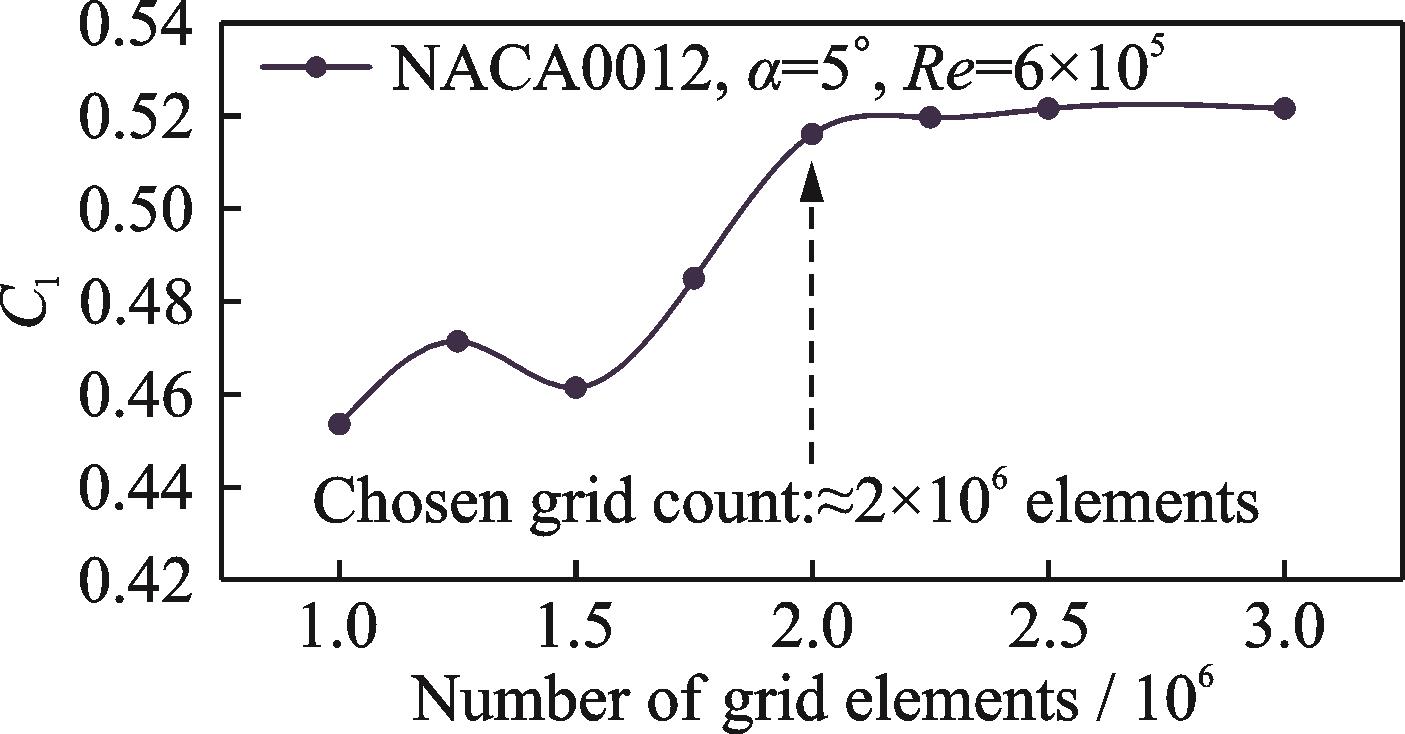
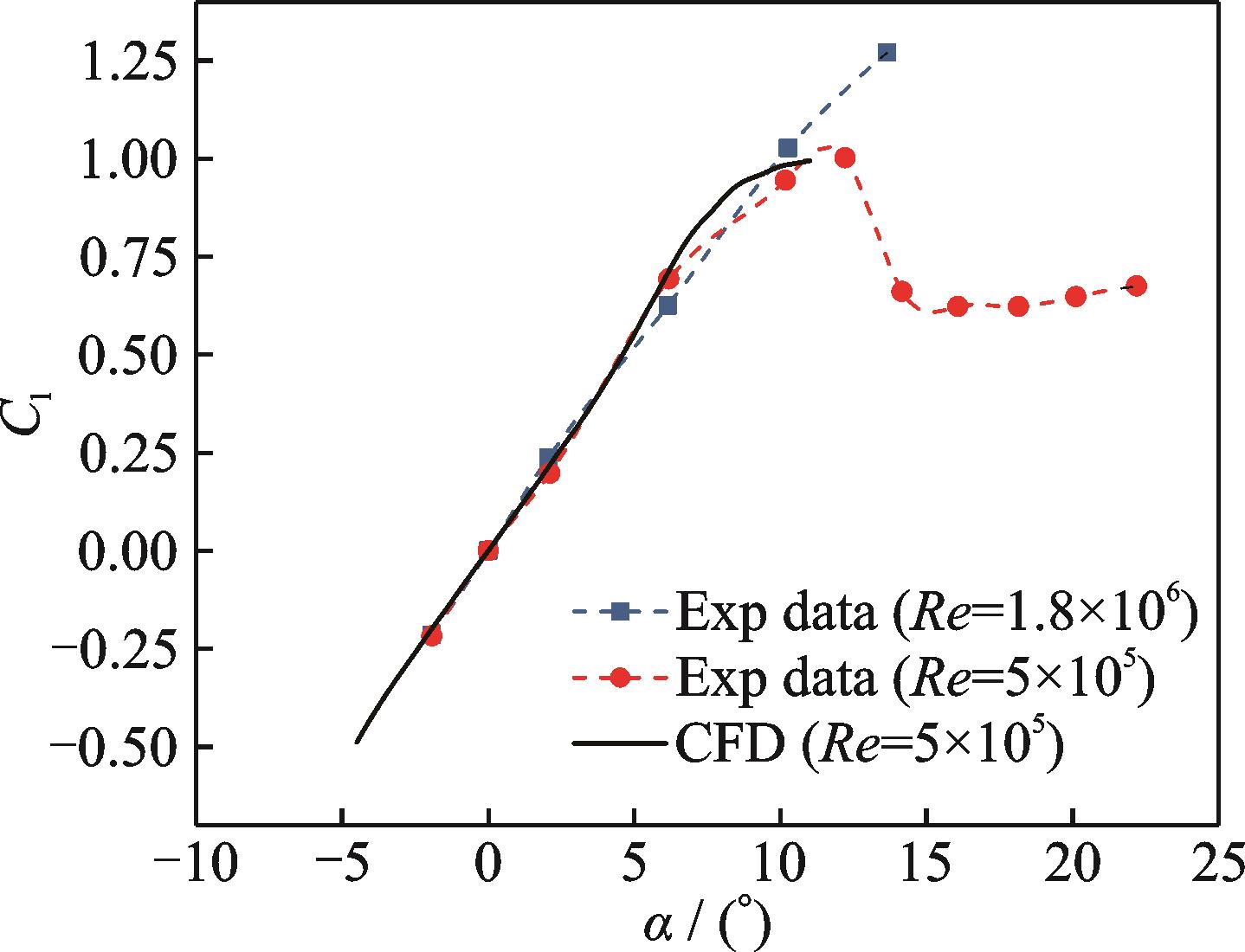
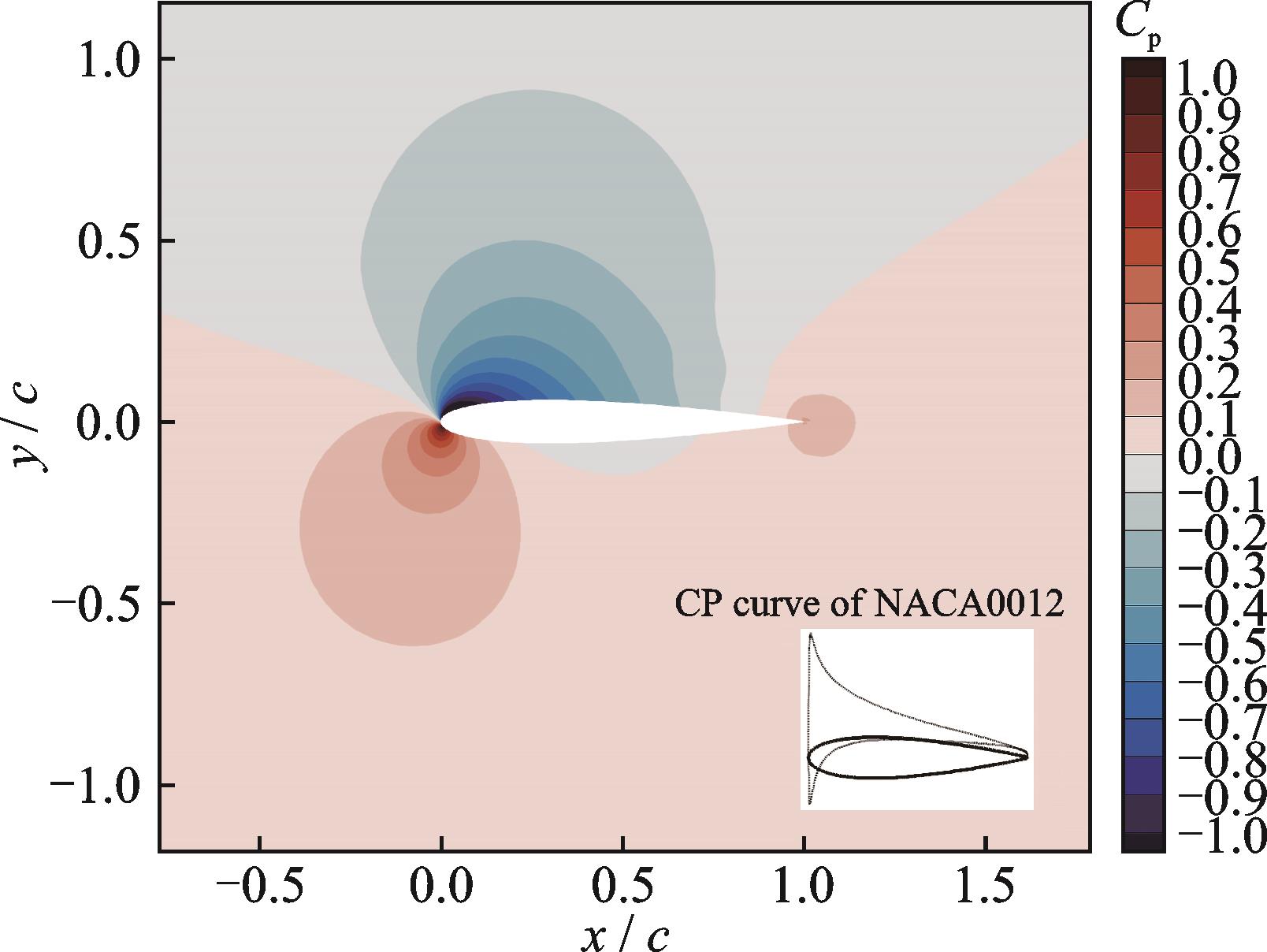
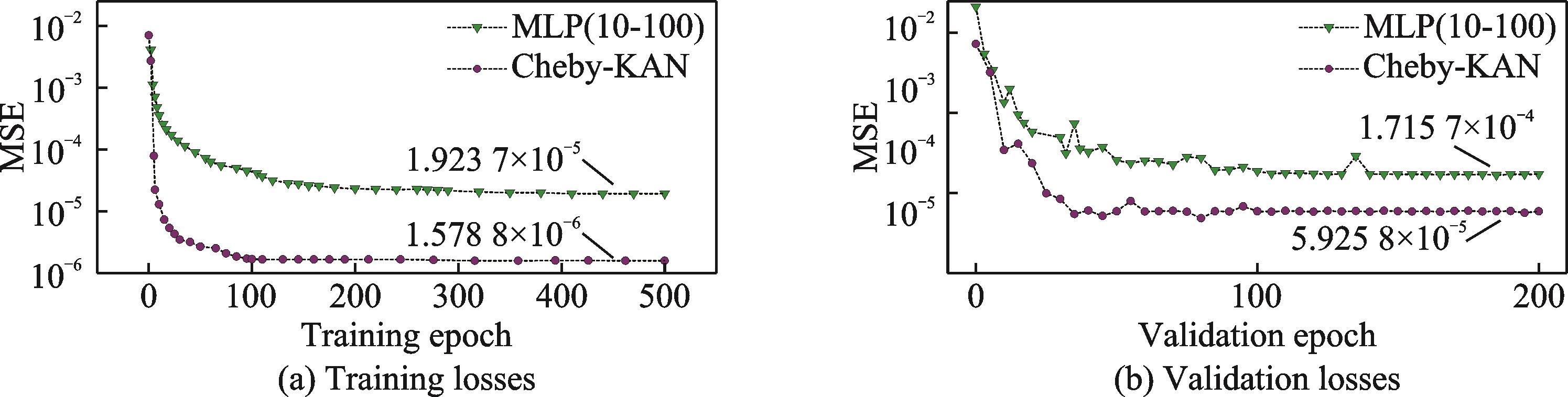
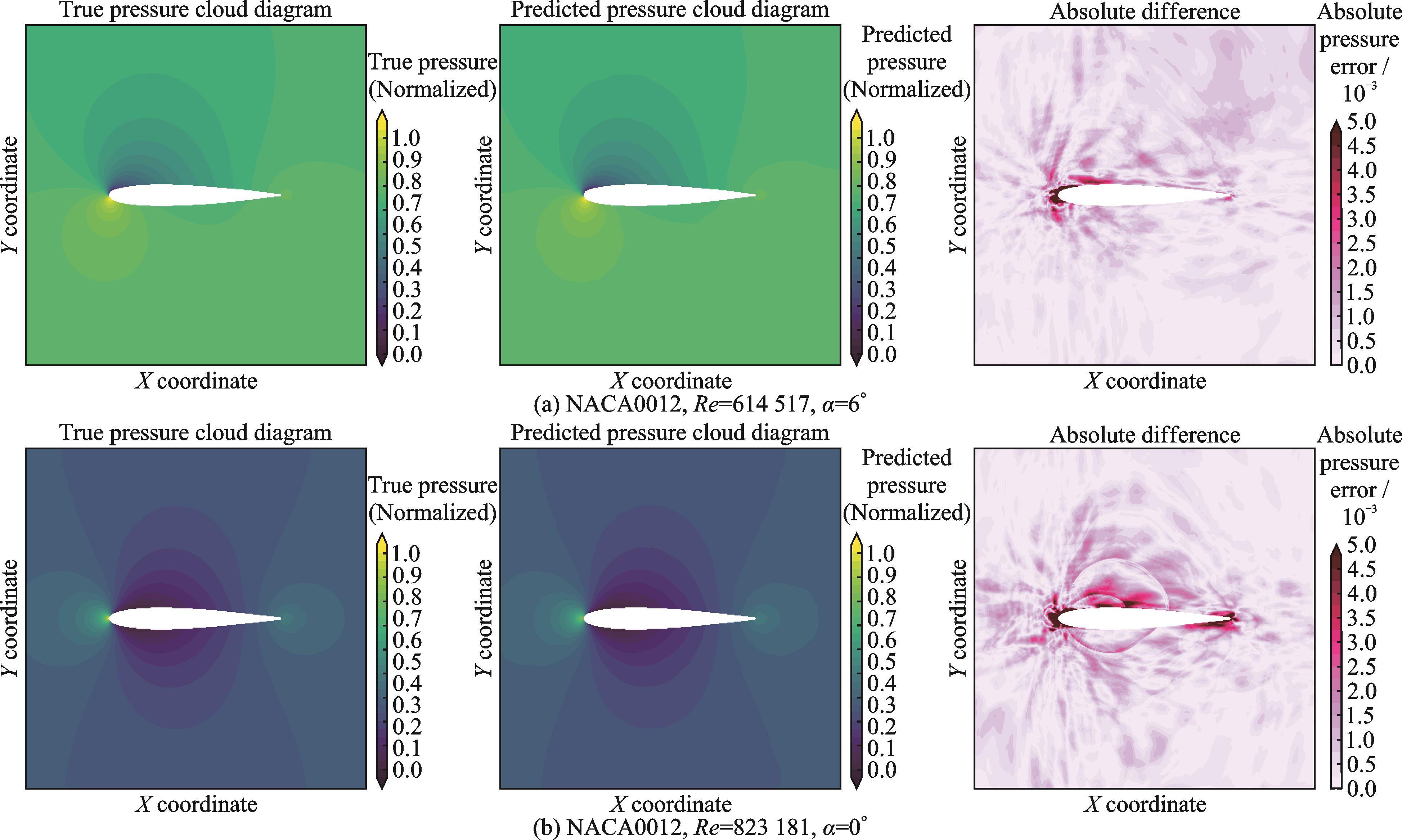
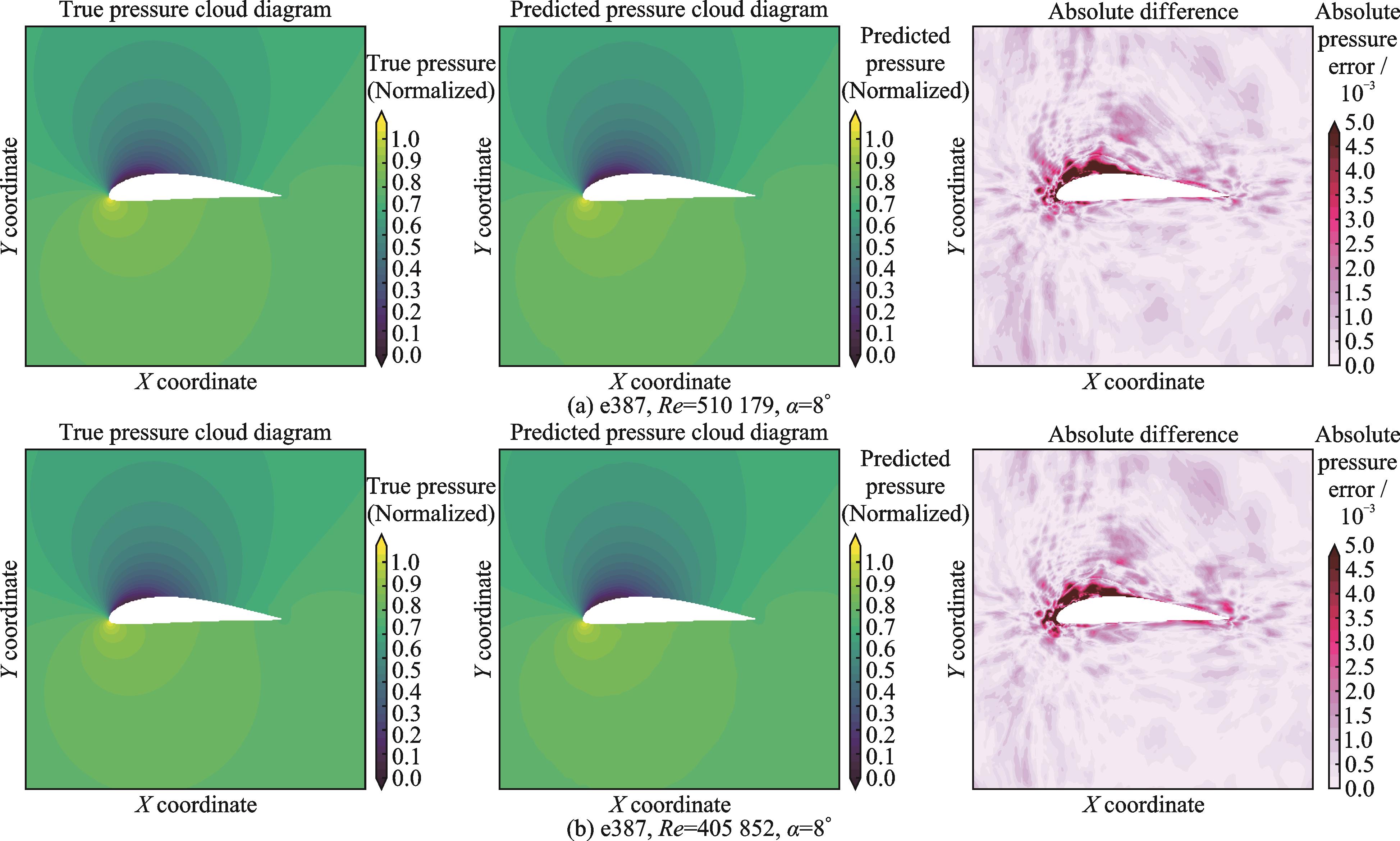
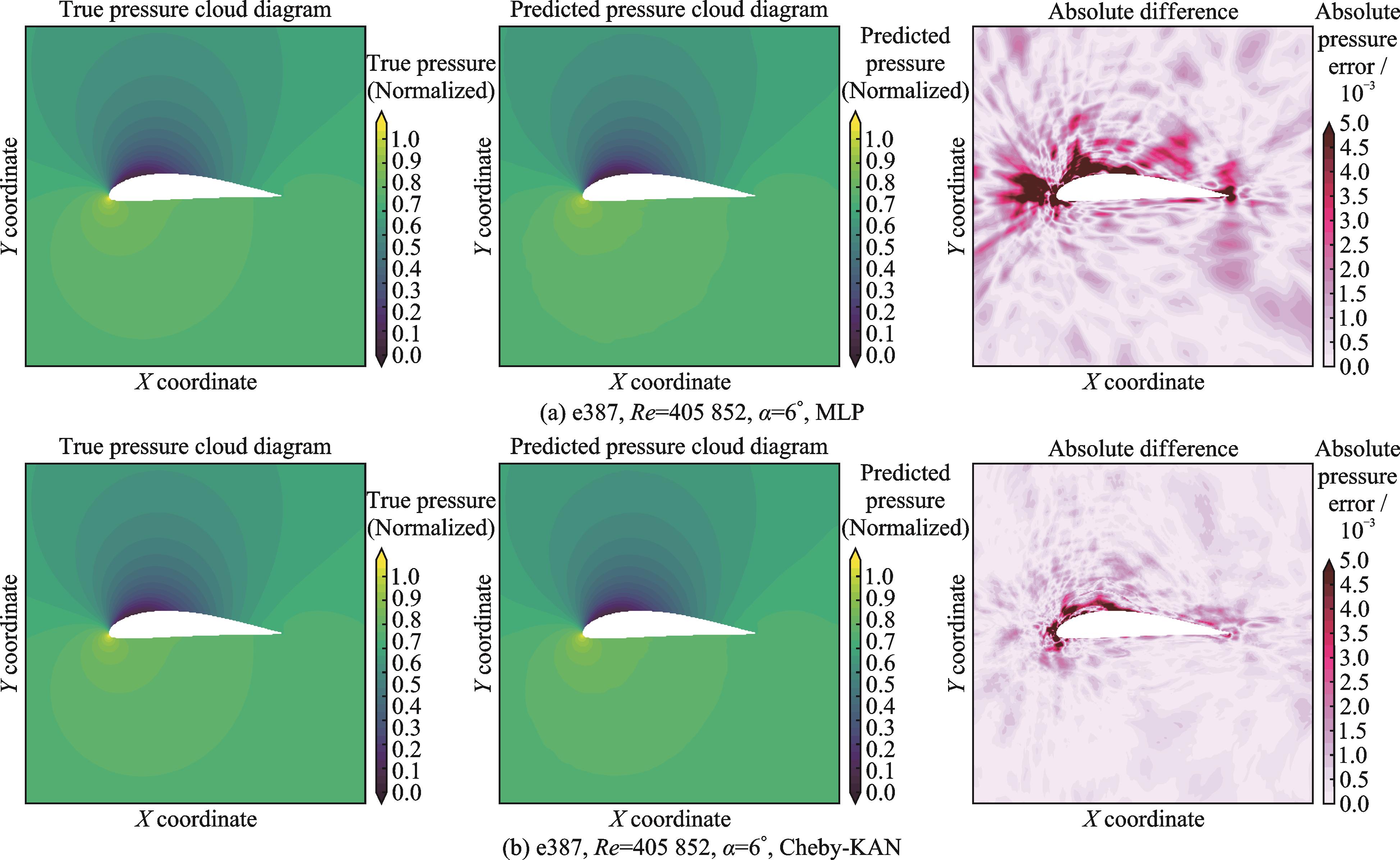
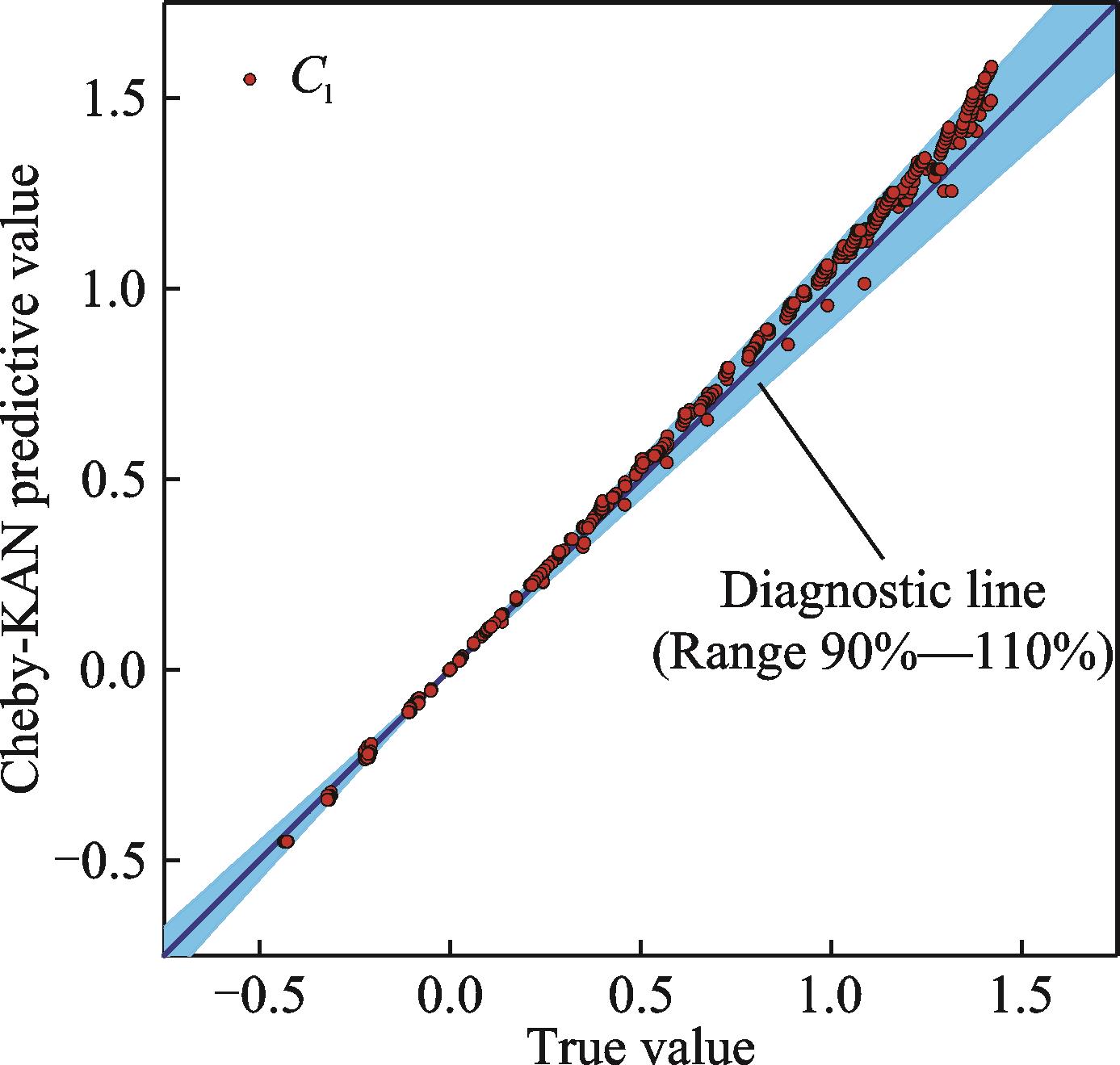
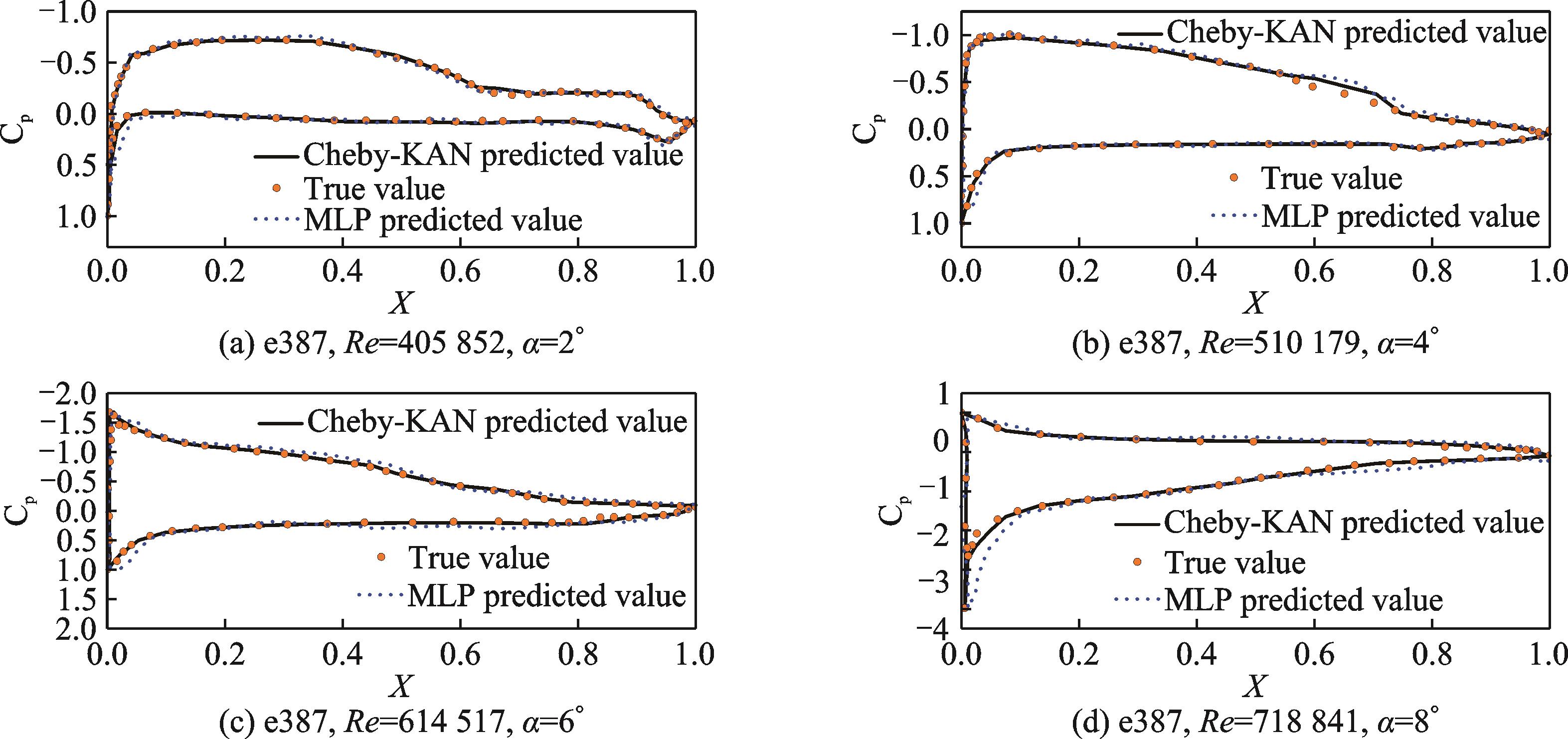
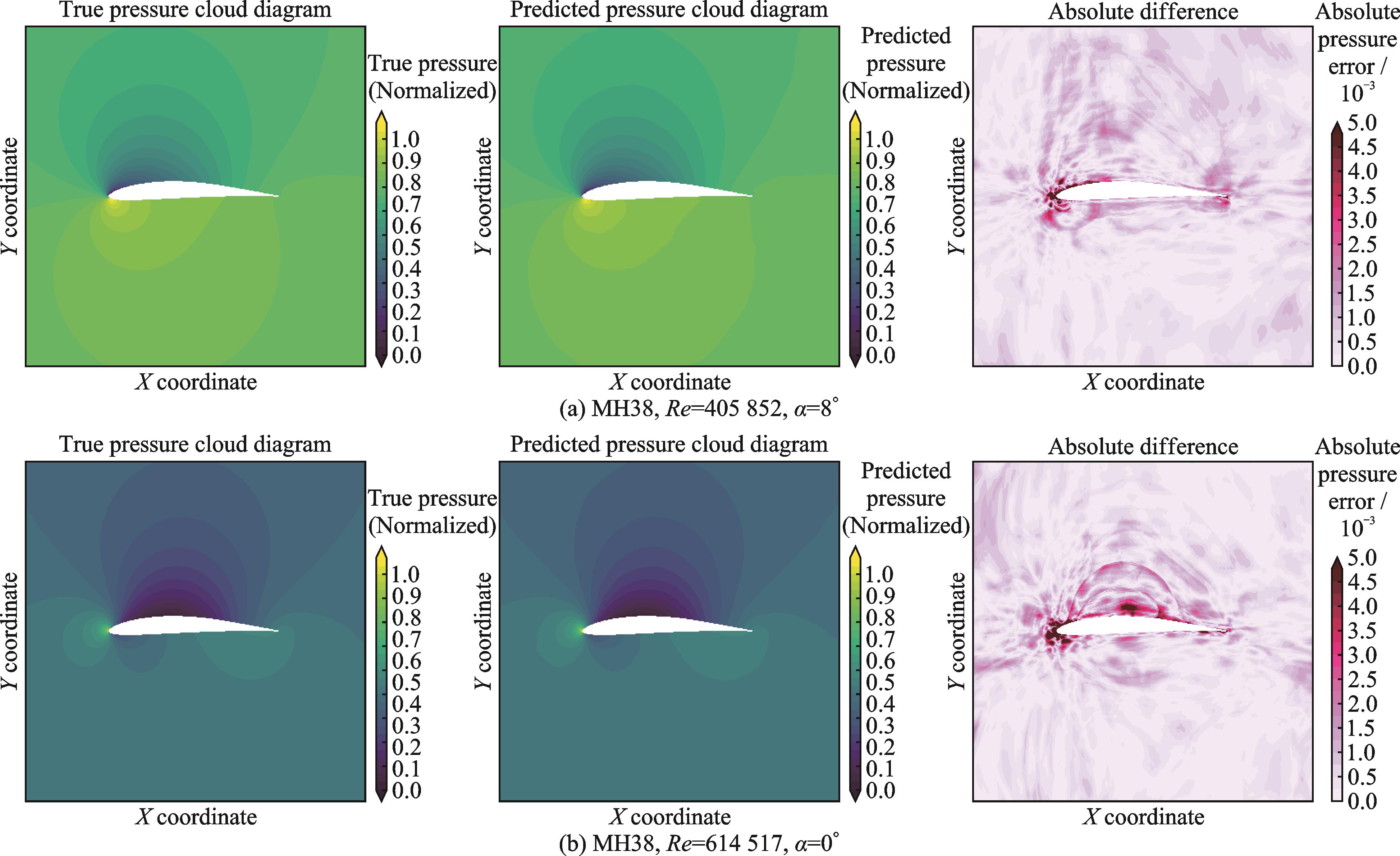
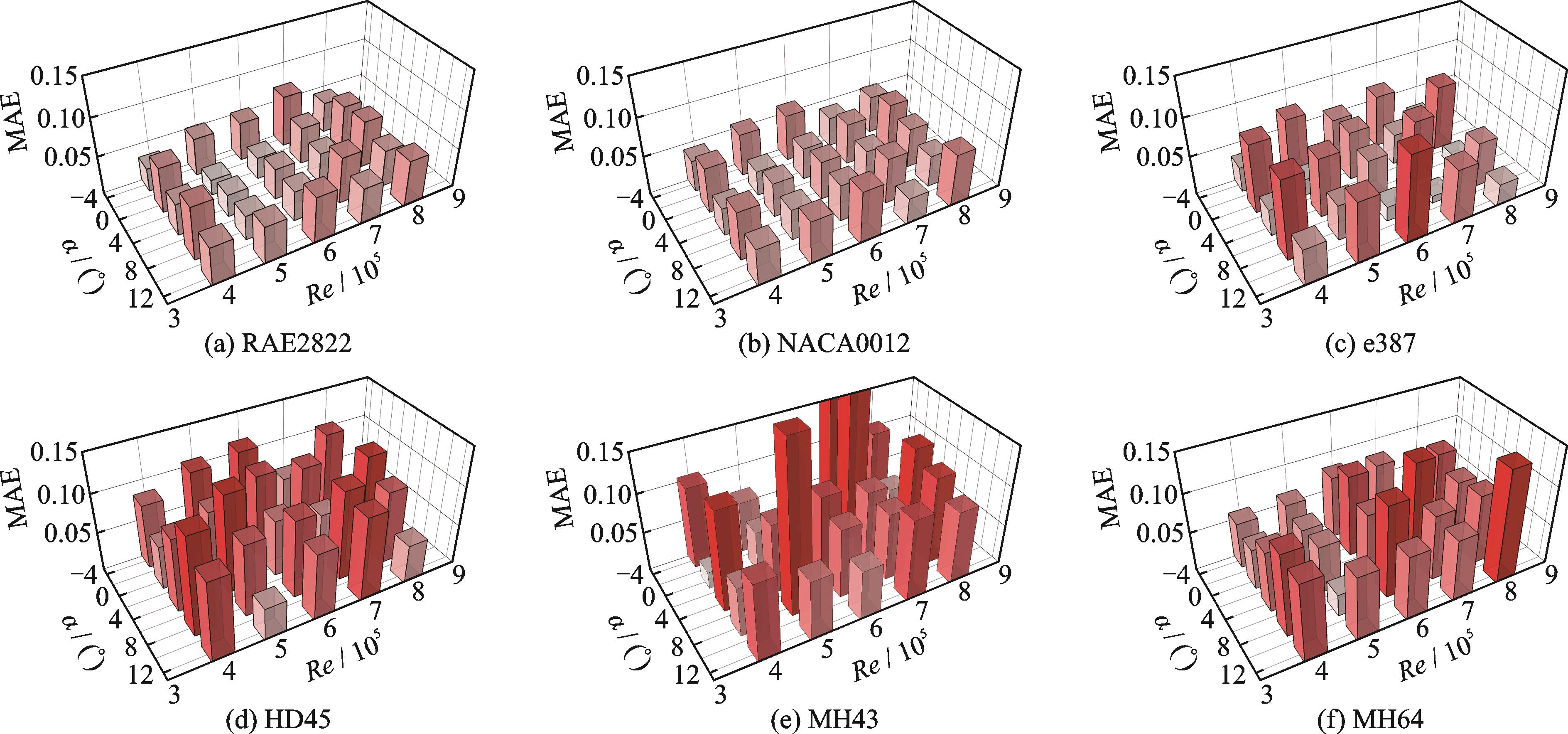
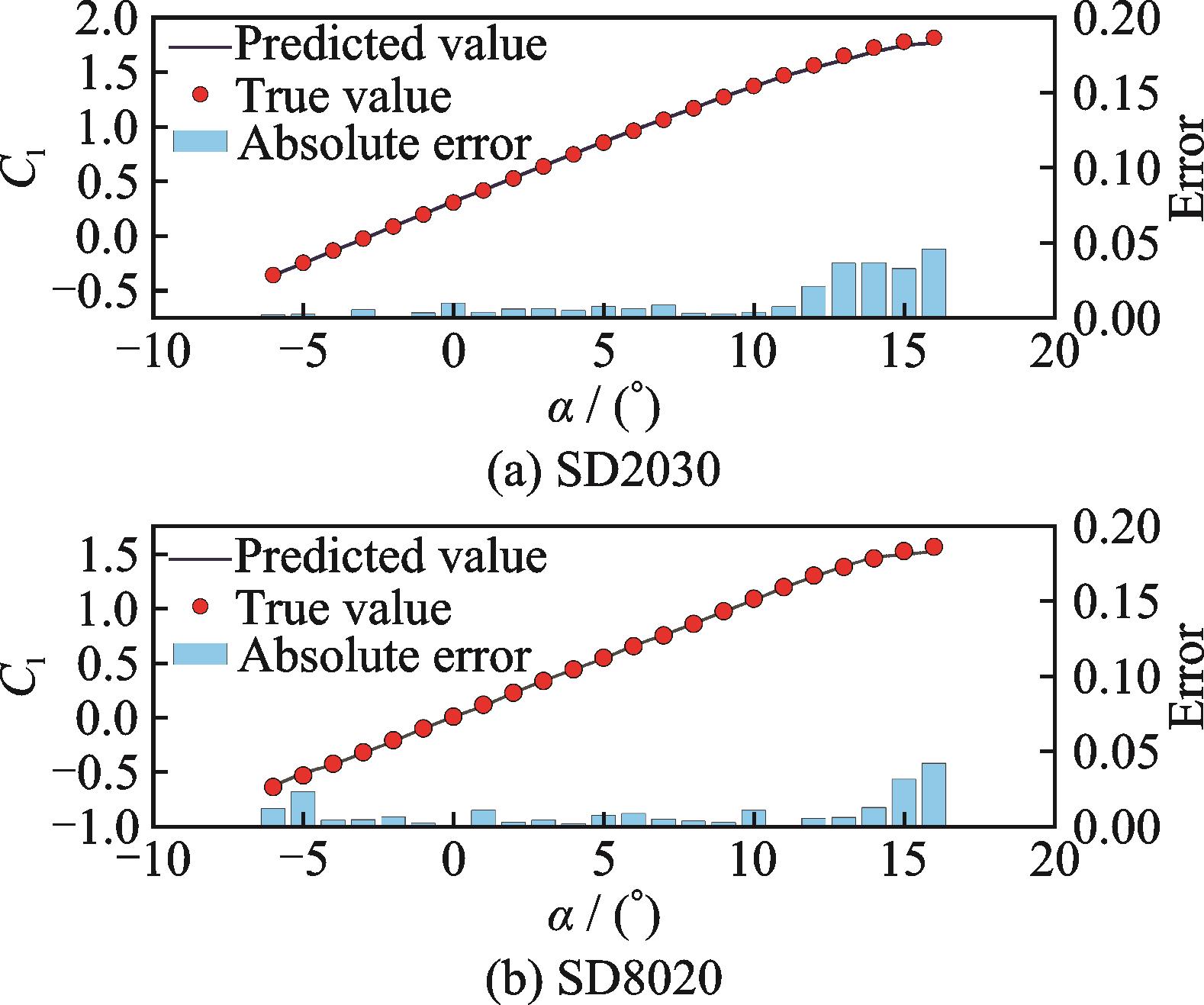
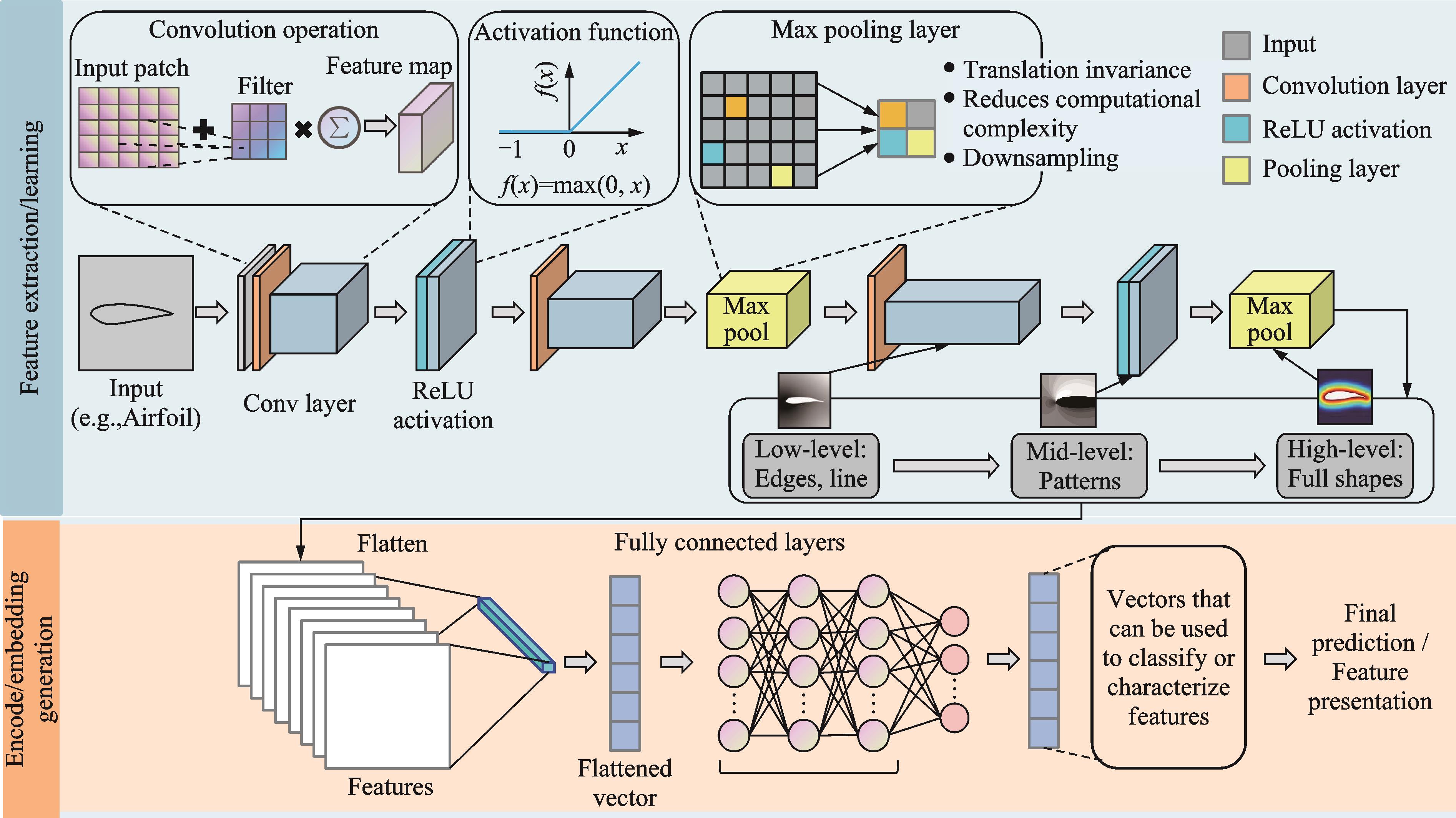
    To address the high computational costs of traditional computational fluid dynamics (CFD) in aerodynamic optimization and the limitations of conventional deep learning models, such as slow convergence and insufficient accuracy in capturing complex flow physics, a novel framework integrating convolutional neural network (CNN) and Chebyshev-Kolmogorov-Arnold network (Cheby-KAN) is proposed for 2D airfoil pressure distribution prediction. The framework employs a CNN-based geometry encoder to automatically extract high-dimensional features from signed distance field (SDF) and map them into low-dimensional latent vectors, thereby bypassing traditional manual parameterization. In the regression module, shifted Chebyshev polynomials are introduced as basis functions within the KAN architecture (Cheby-KAN). Leveraging their orthogonality and superior approximation properties, Cheby-KAN effectively mitigates the Runge phenomenon and enhances numerical stability when resolving high-gradient pressure patterns. Experimental results on a dataset comprising 89 million data points demonstrate that Cheby-KAN achieves a 60% reduction in training time compared to conventional multi-layer perceptron (MLP), with a 92% decrease in training mean square error (MSE). Furthermore, the model exhibits exceptional generalization in “zero-shot” tests on unseen airfoils, maintaining a mean absolute error (MAE) of 2.1×10⁻³, which underscores its robustness as a high-fidelity surrogate model for advanced aerodynamic design.
    2026(4):614-630, DOI: 10.16356/j.1005-1120.2026.04.009
    Abstract:
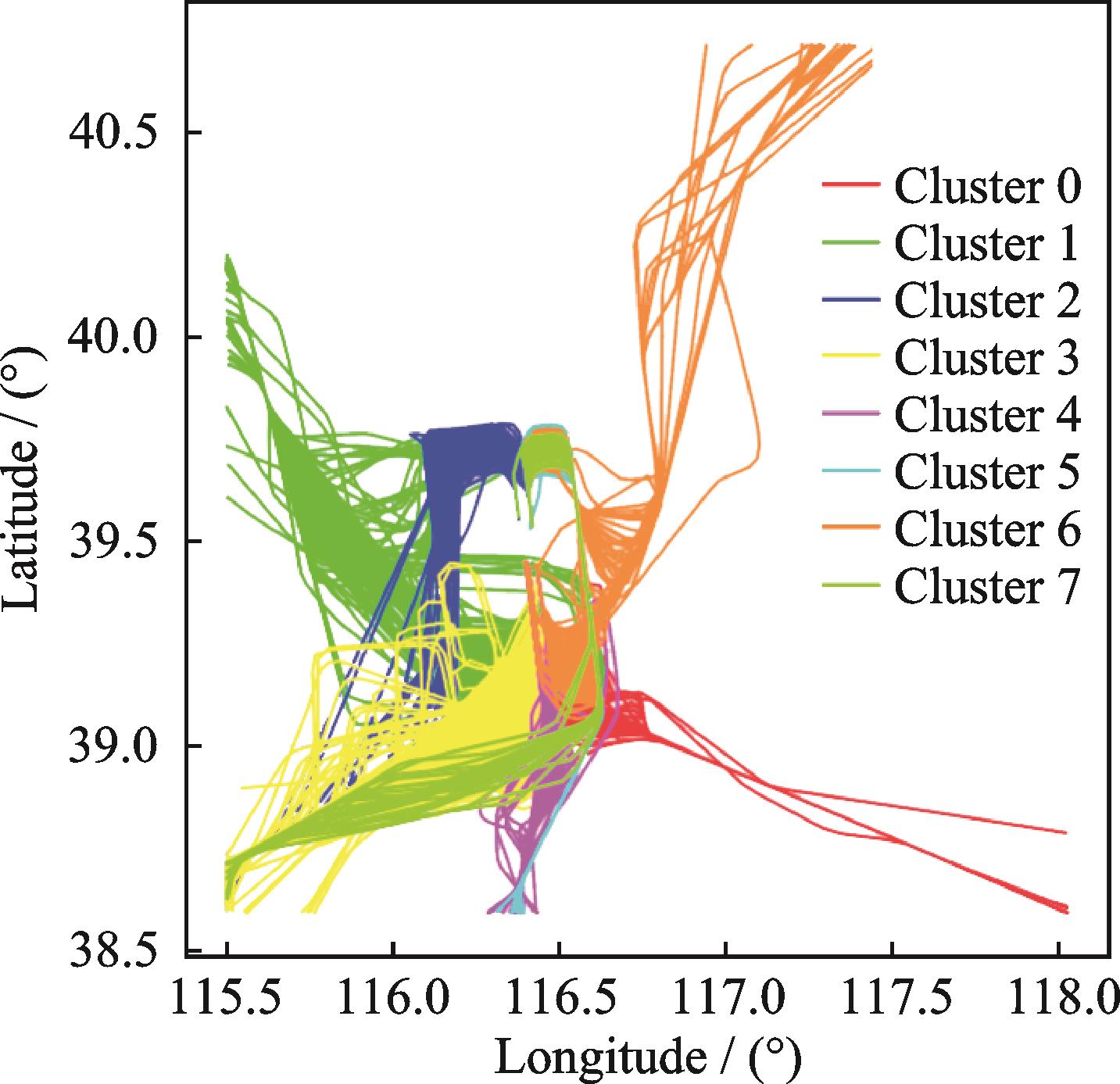
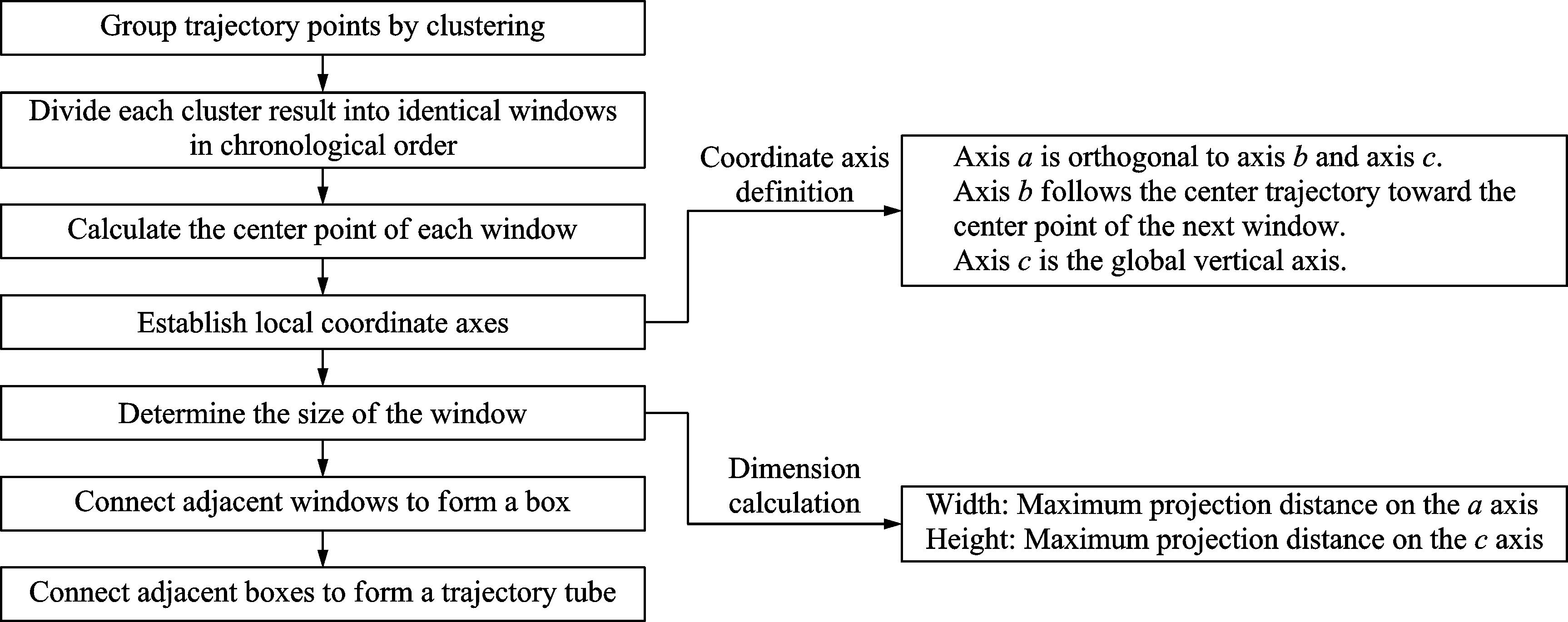
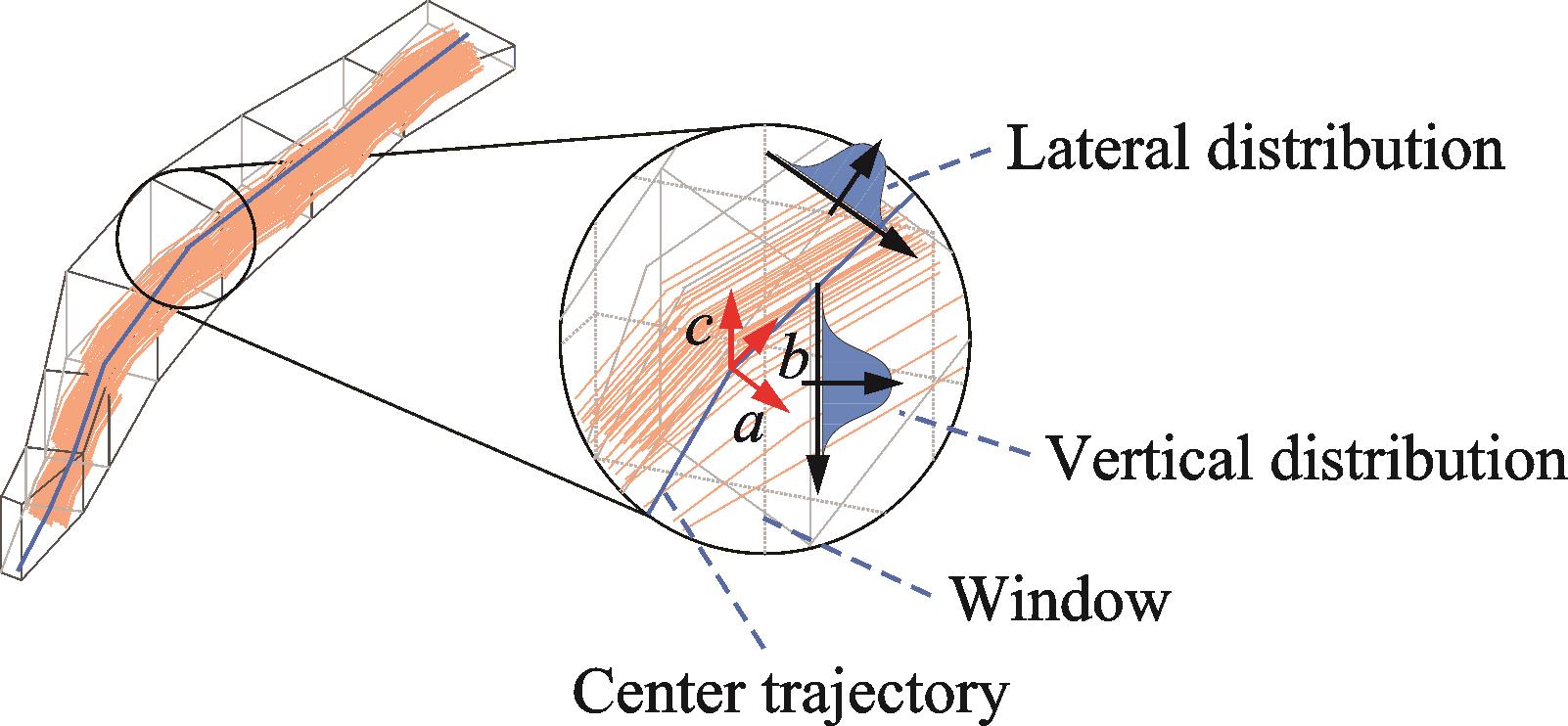
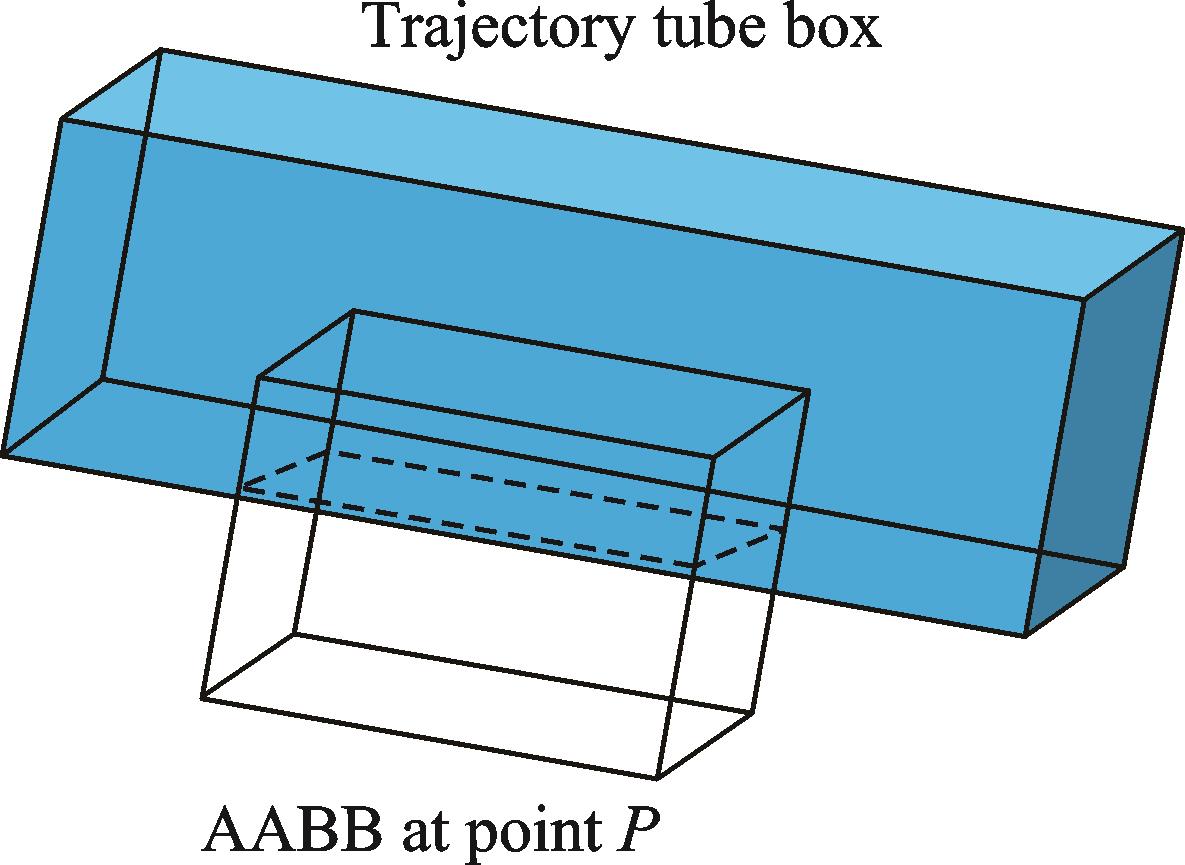
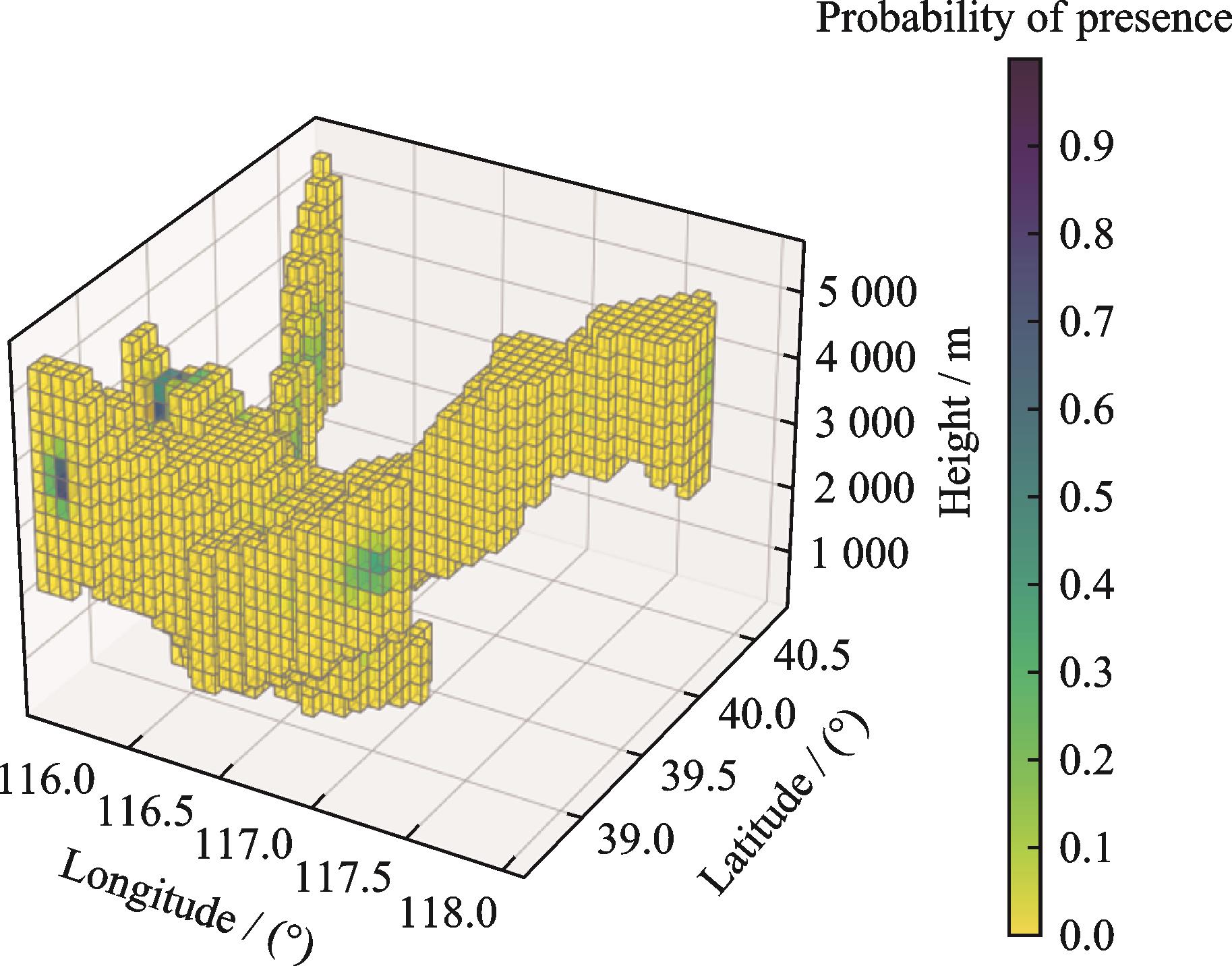
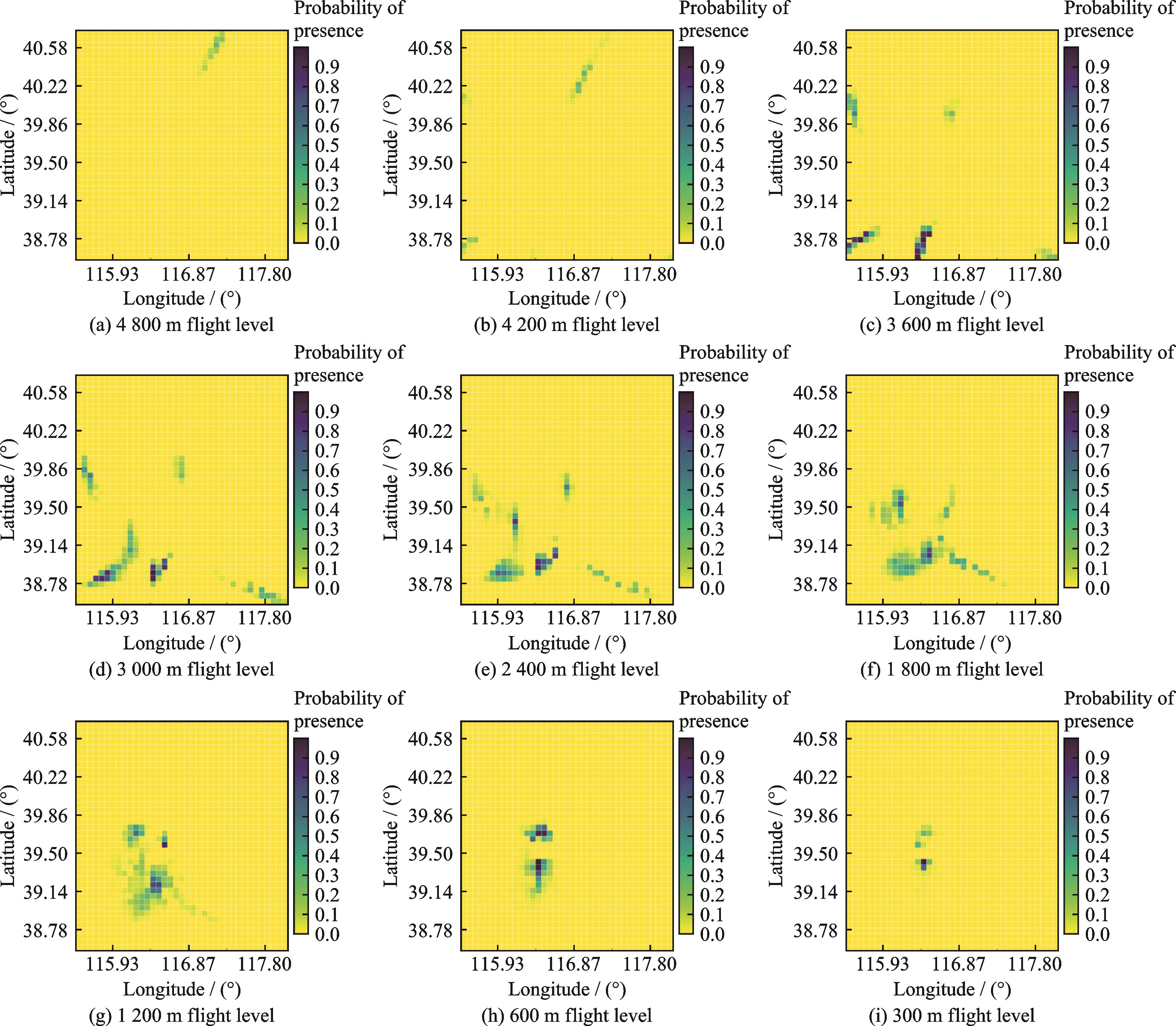
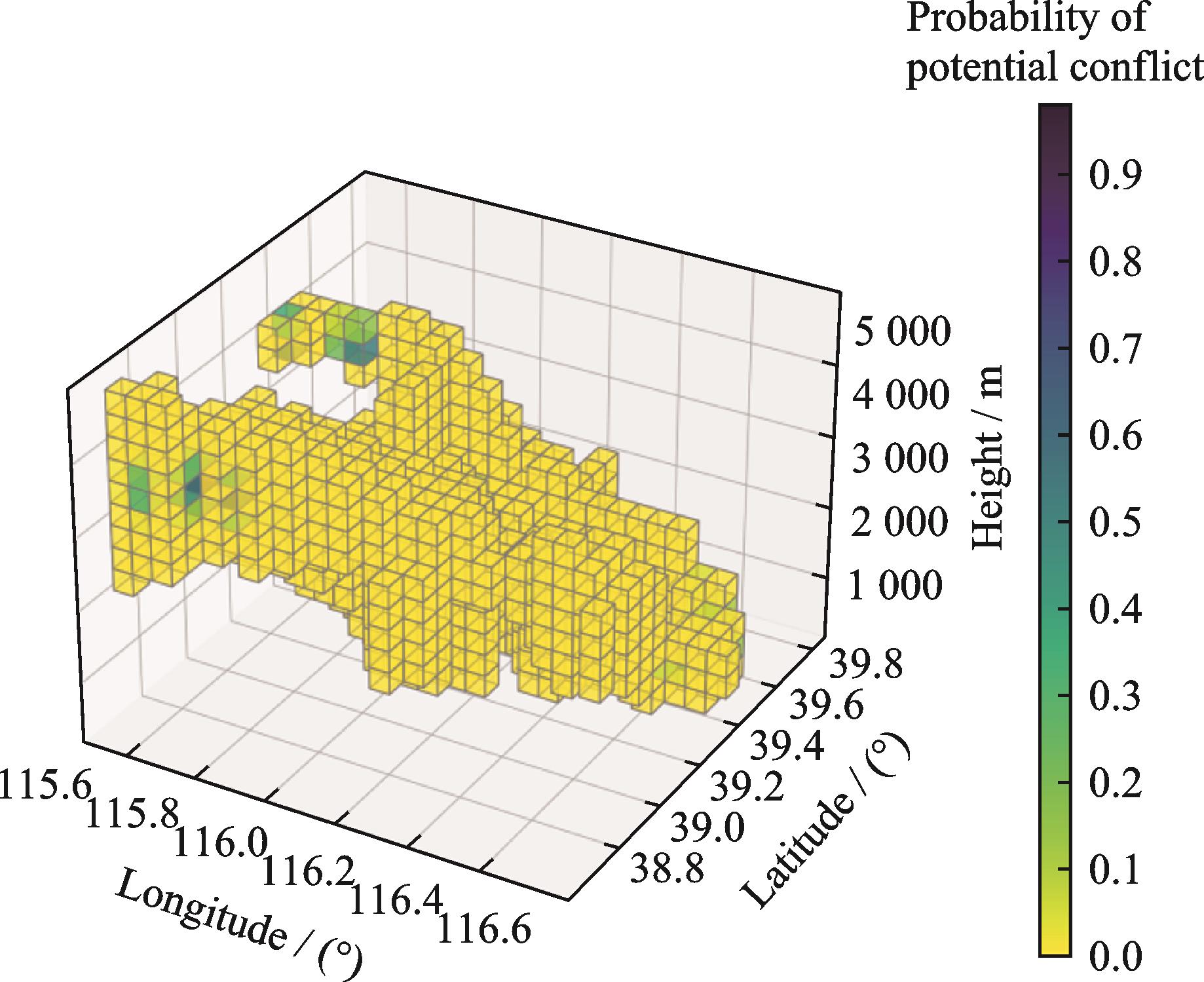
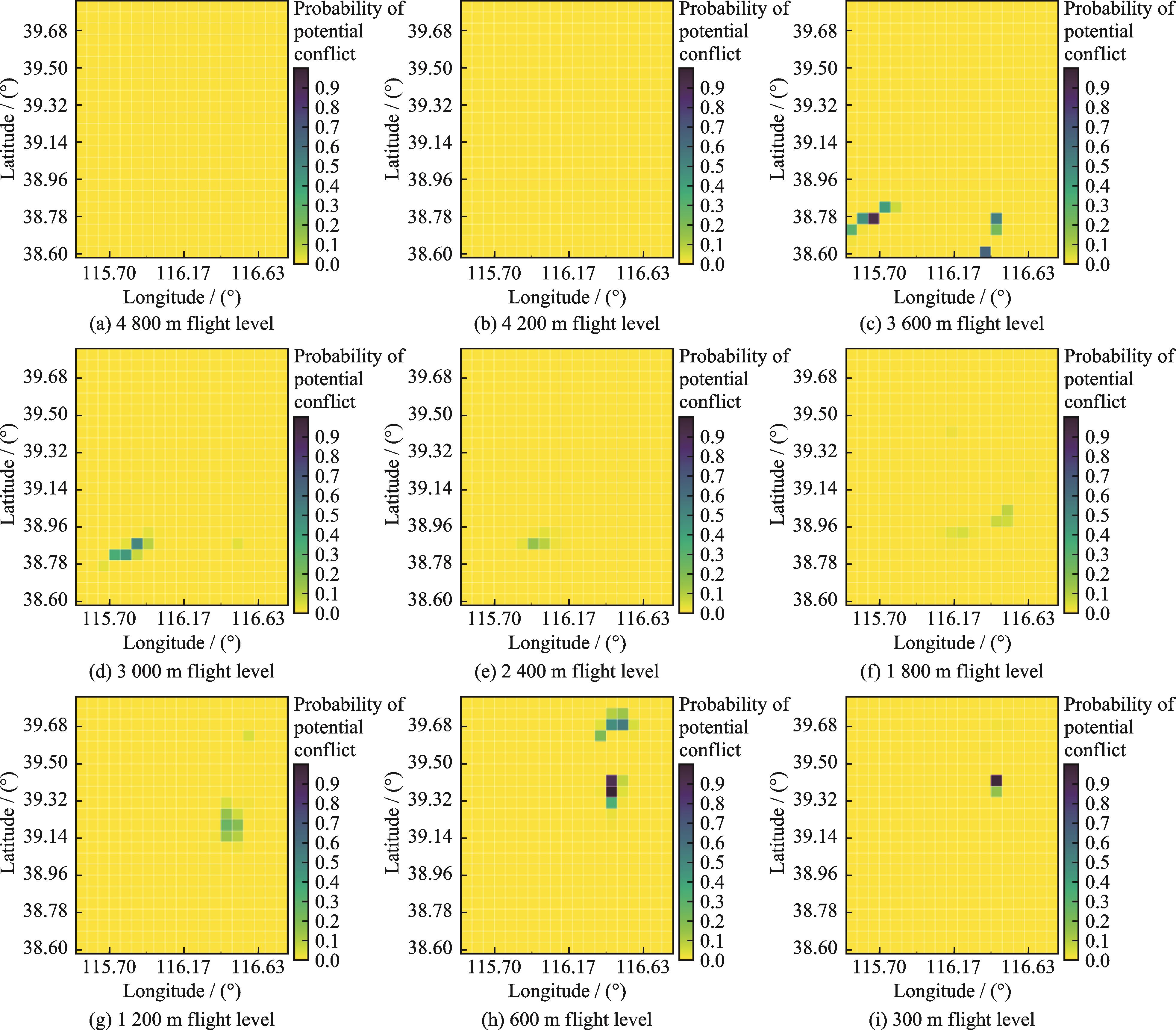
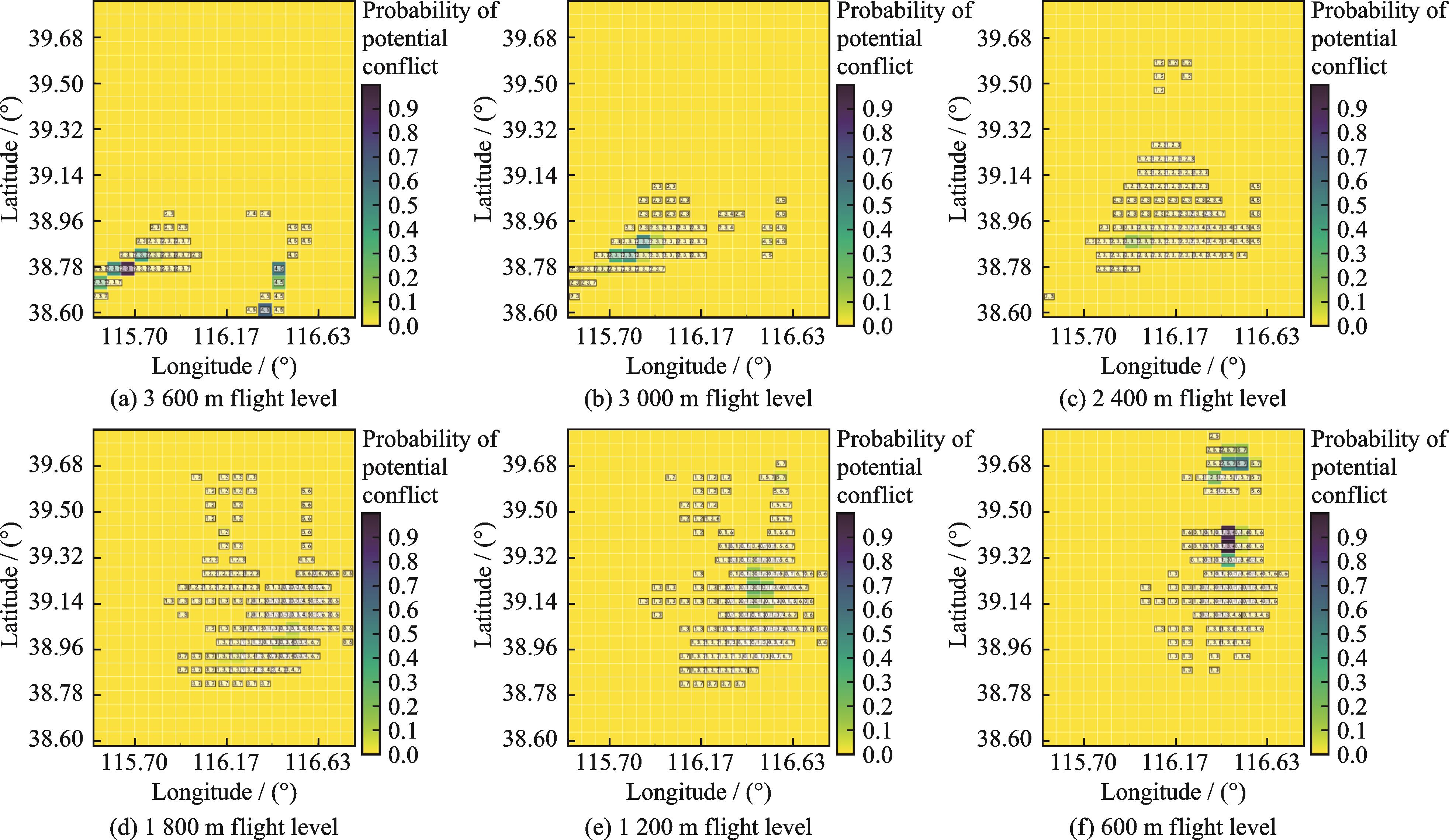
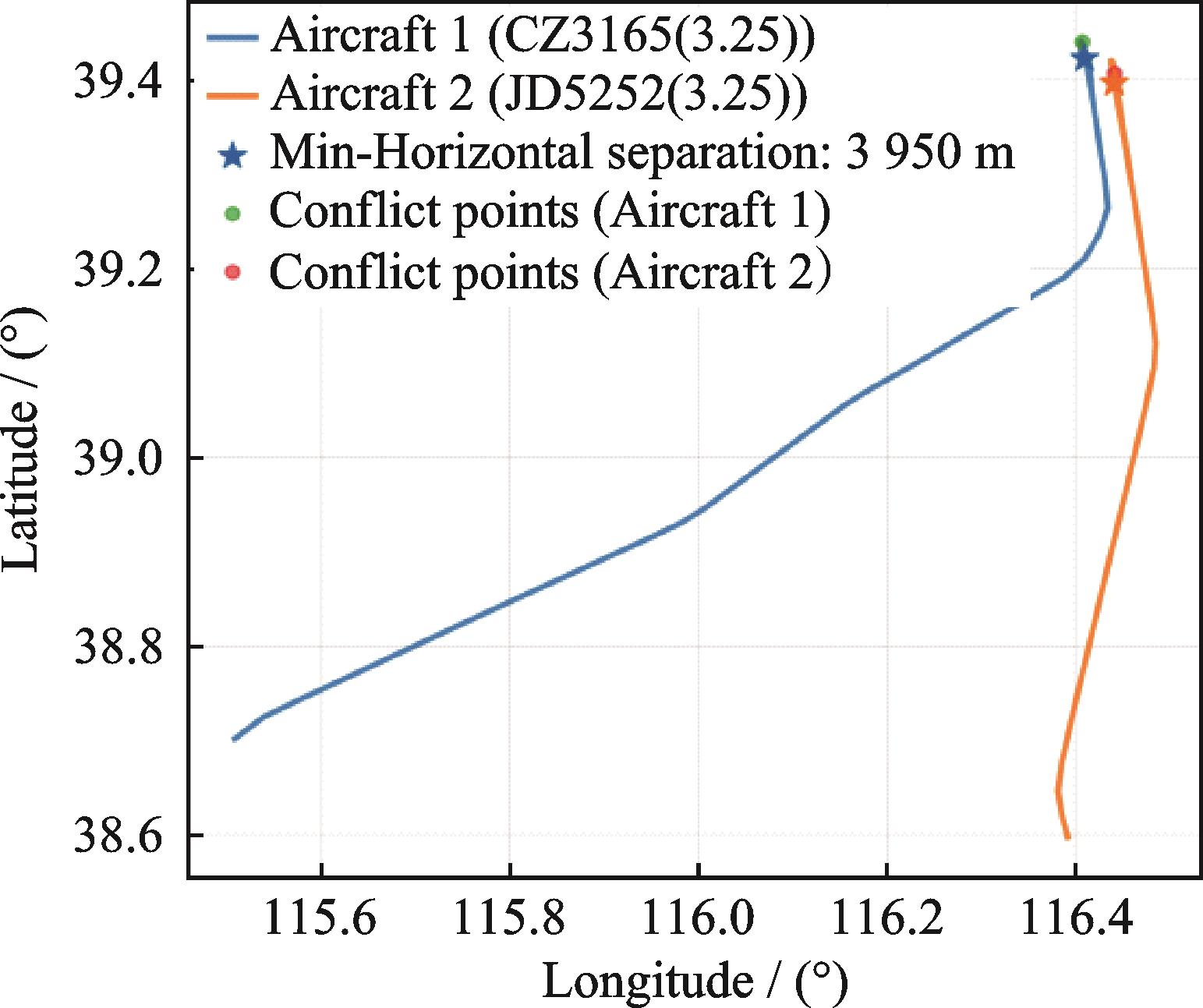
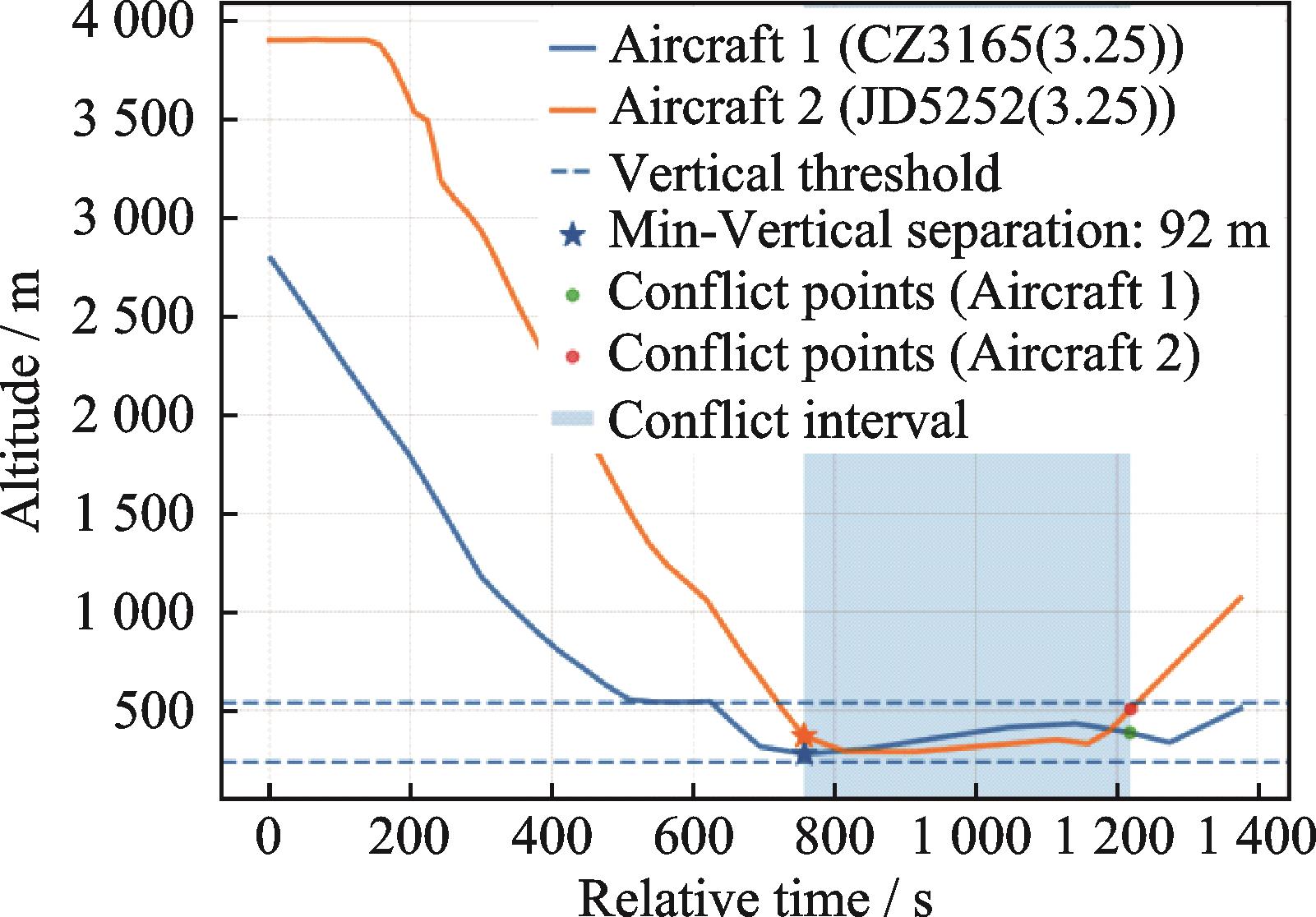
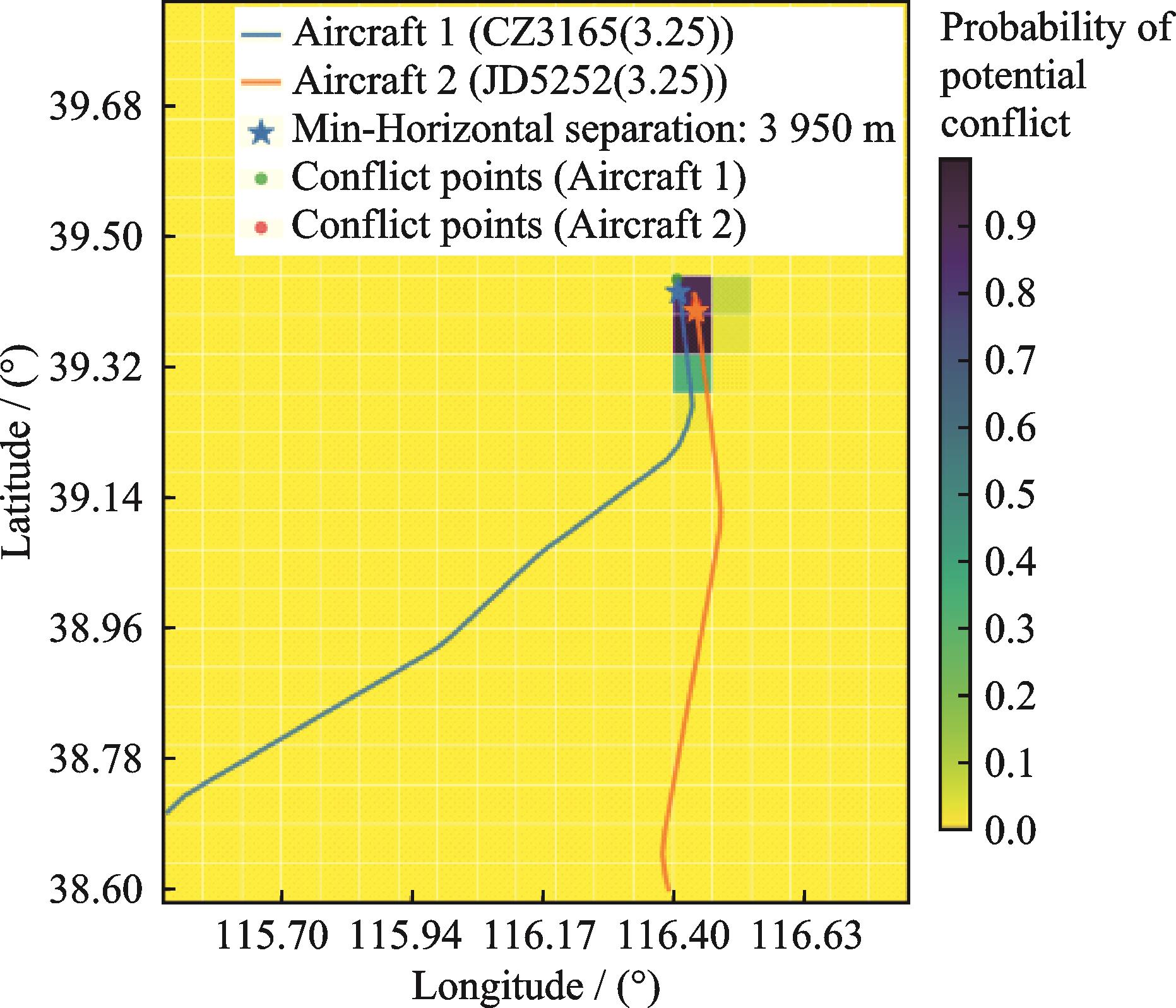
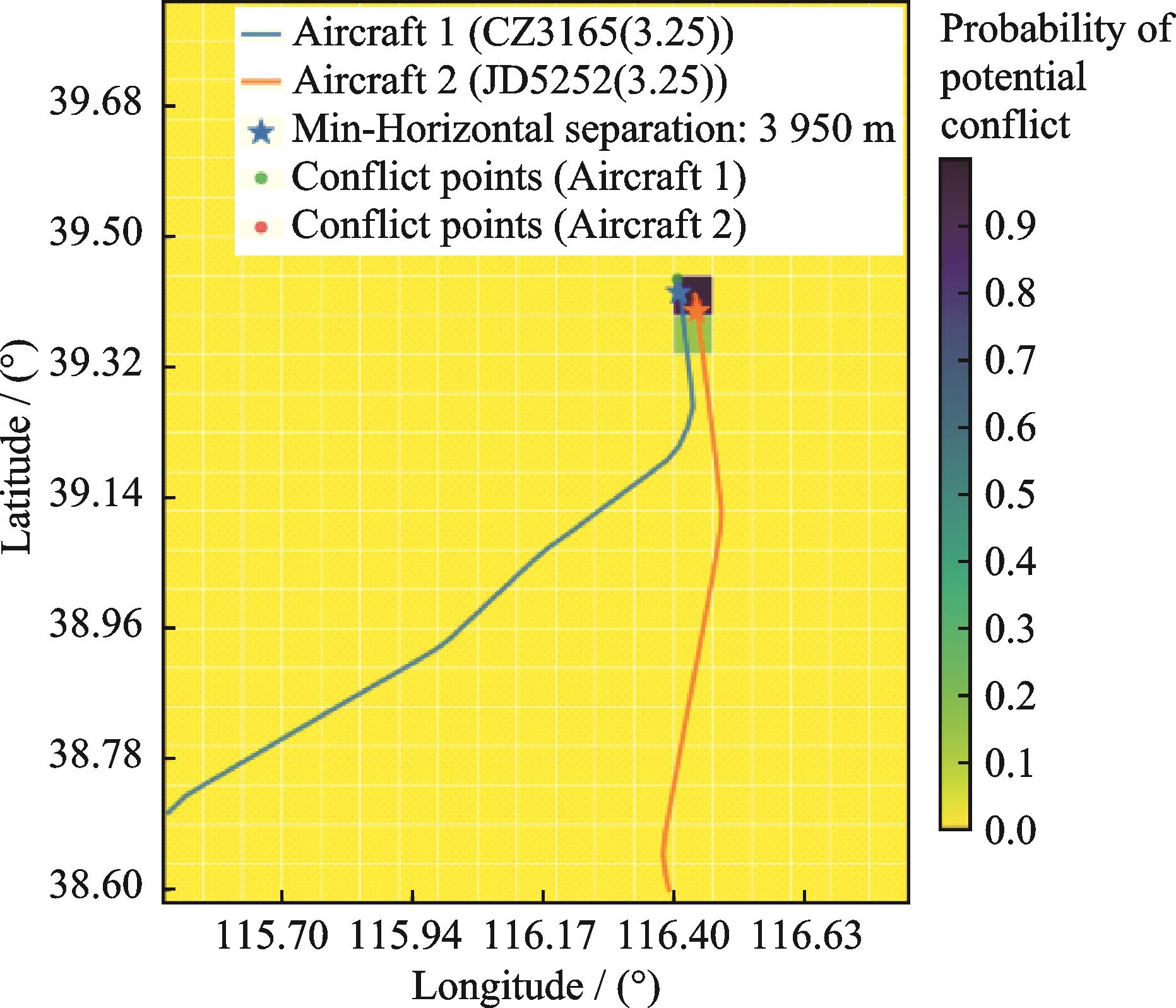
    With the rapid development of aviation industry, the density of terminal-airspace traffic has increased significantly, resulting in higher potential conflict among aircraft. To address this issue, this study proposes a potential conflict identification method for terminal airspace based on three-dimensional (3D) trajectory tube structures. The approach first clusters arrival trajectories to identify major traffic flows and constructs corresponding 3D trajectory tubes. It then introduces traffic-flow parameters into a probabilistic model, which is combined with three-dimensional airspace gridding to identify and locate potential conflict regions. The results demonstrate that the proposed method can effectively detect potential conflict areas within a 15 min time window and analyze the interactions among traffic flows within these regions. This research provides a valuable framework for improving the safety and efficiency of terminal airspace operations, offering both theoretical and practical significance for airspace optimization and decision-support enhancement.
    2026(4):631-652, DOI: 10.16356/j.1005-1120.2026.04.010
    Abstract:
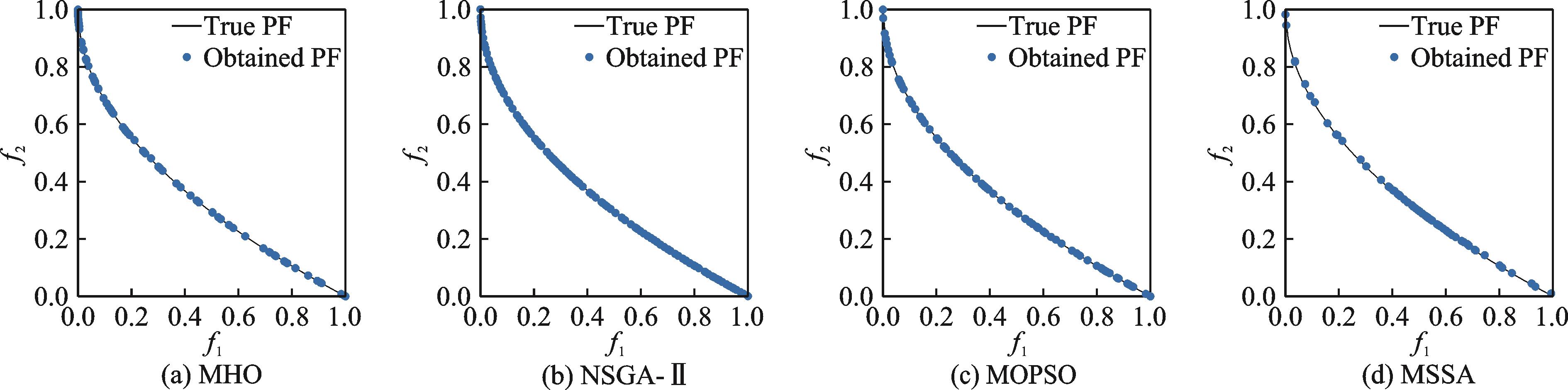
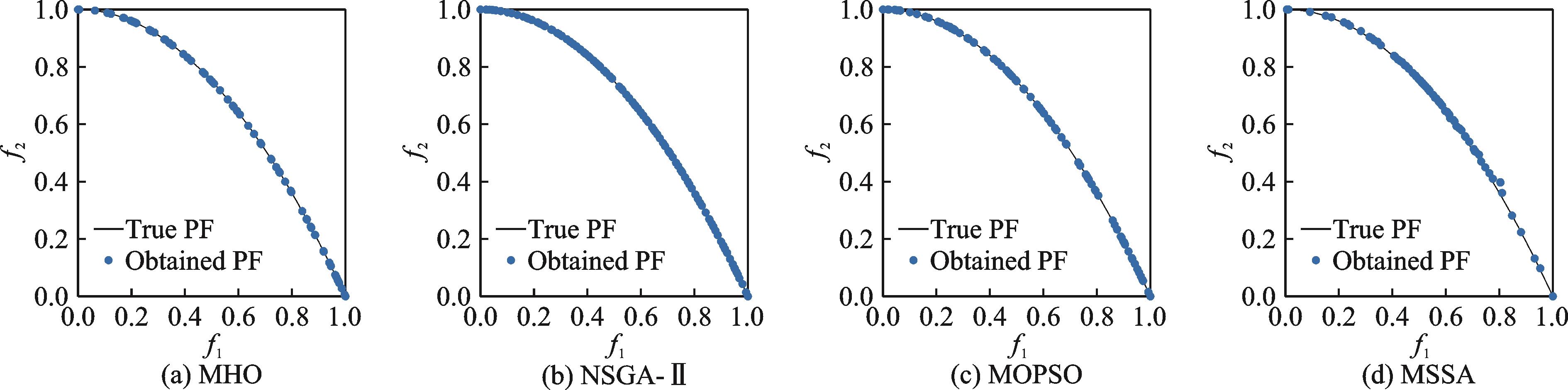
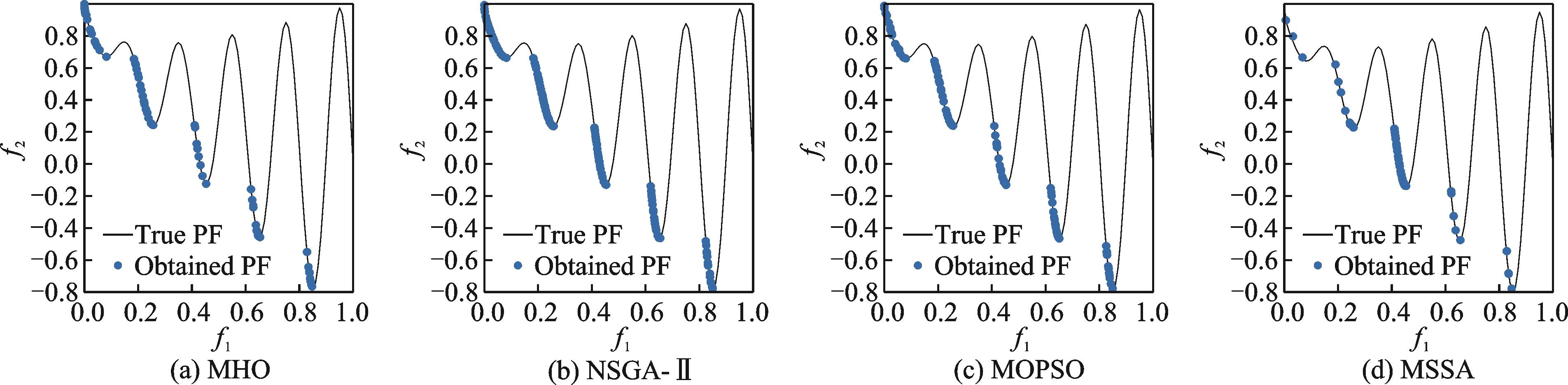
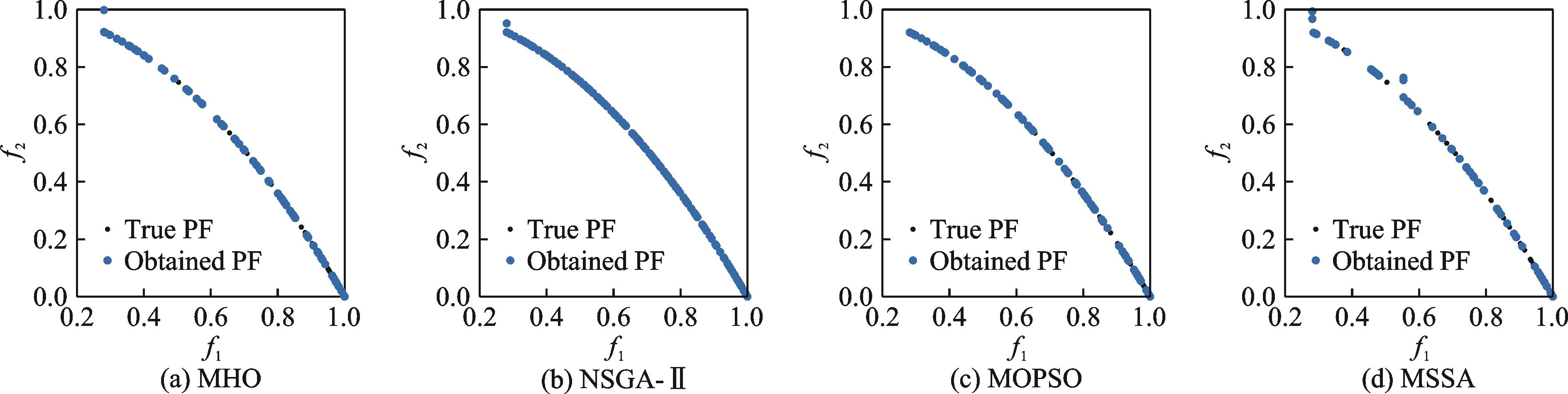
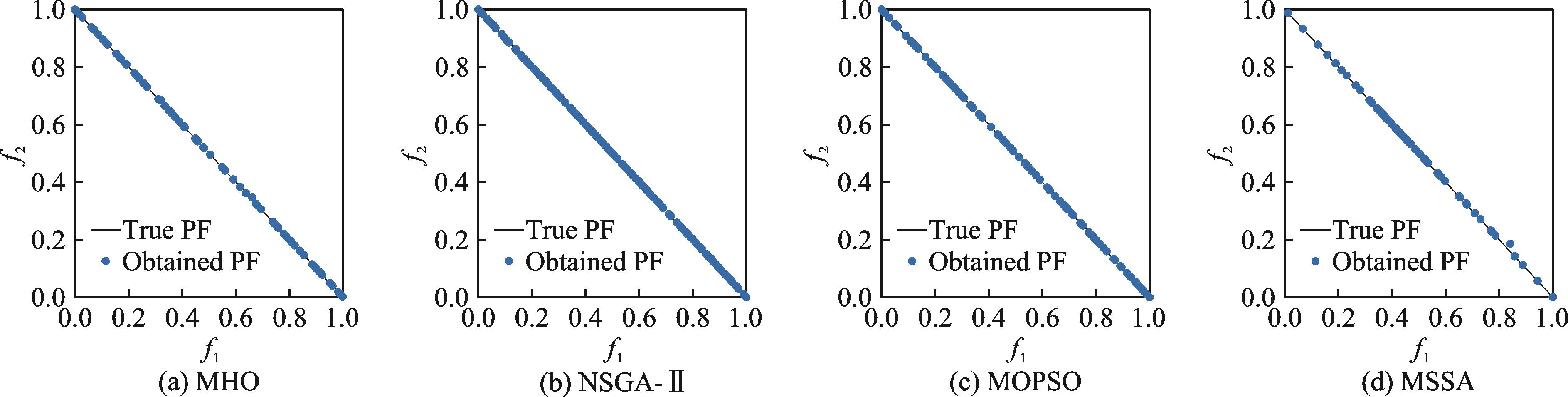
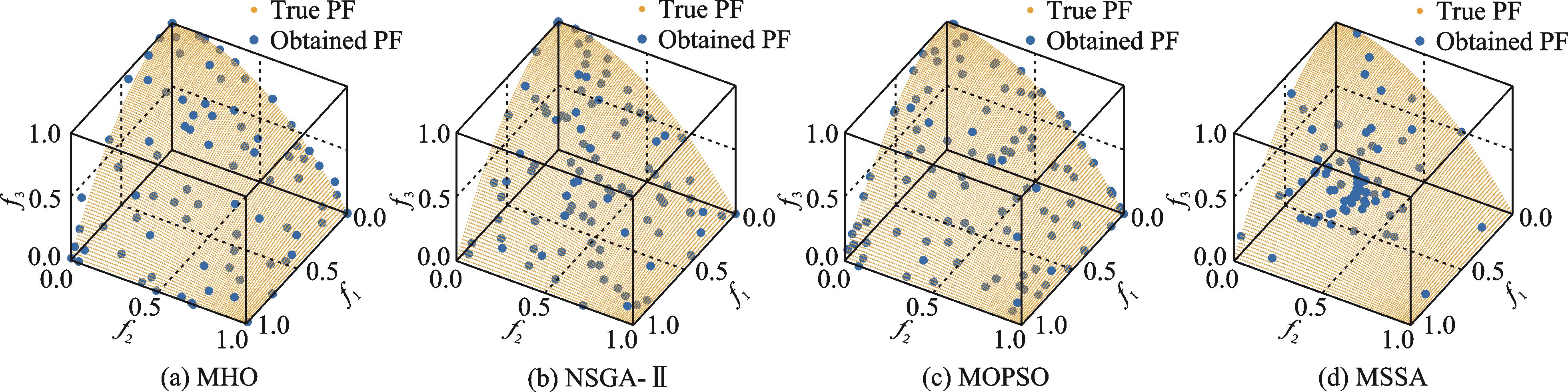
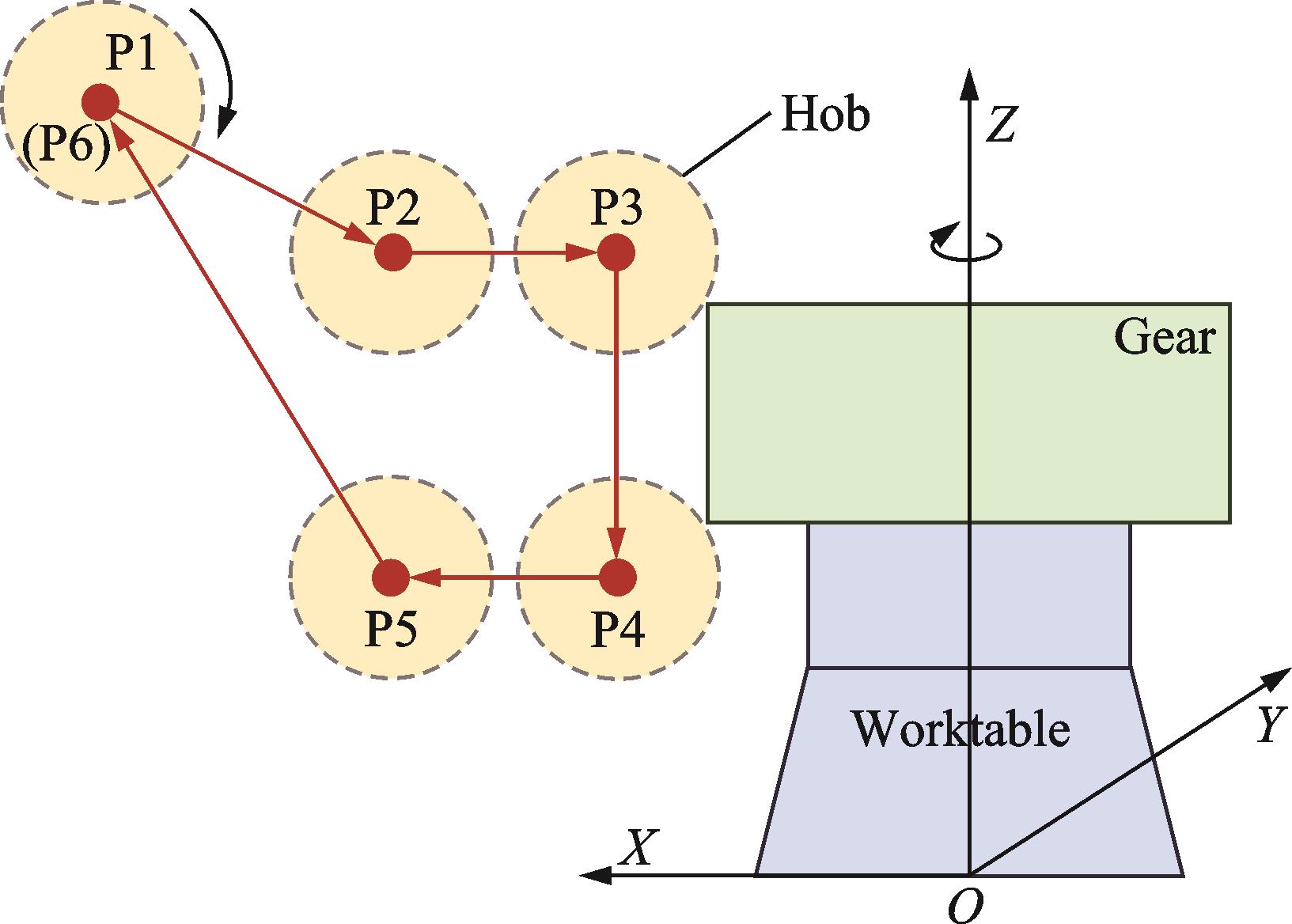
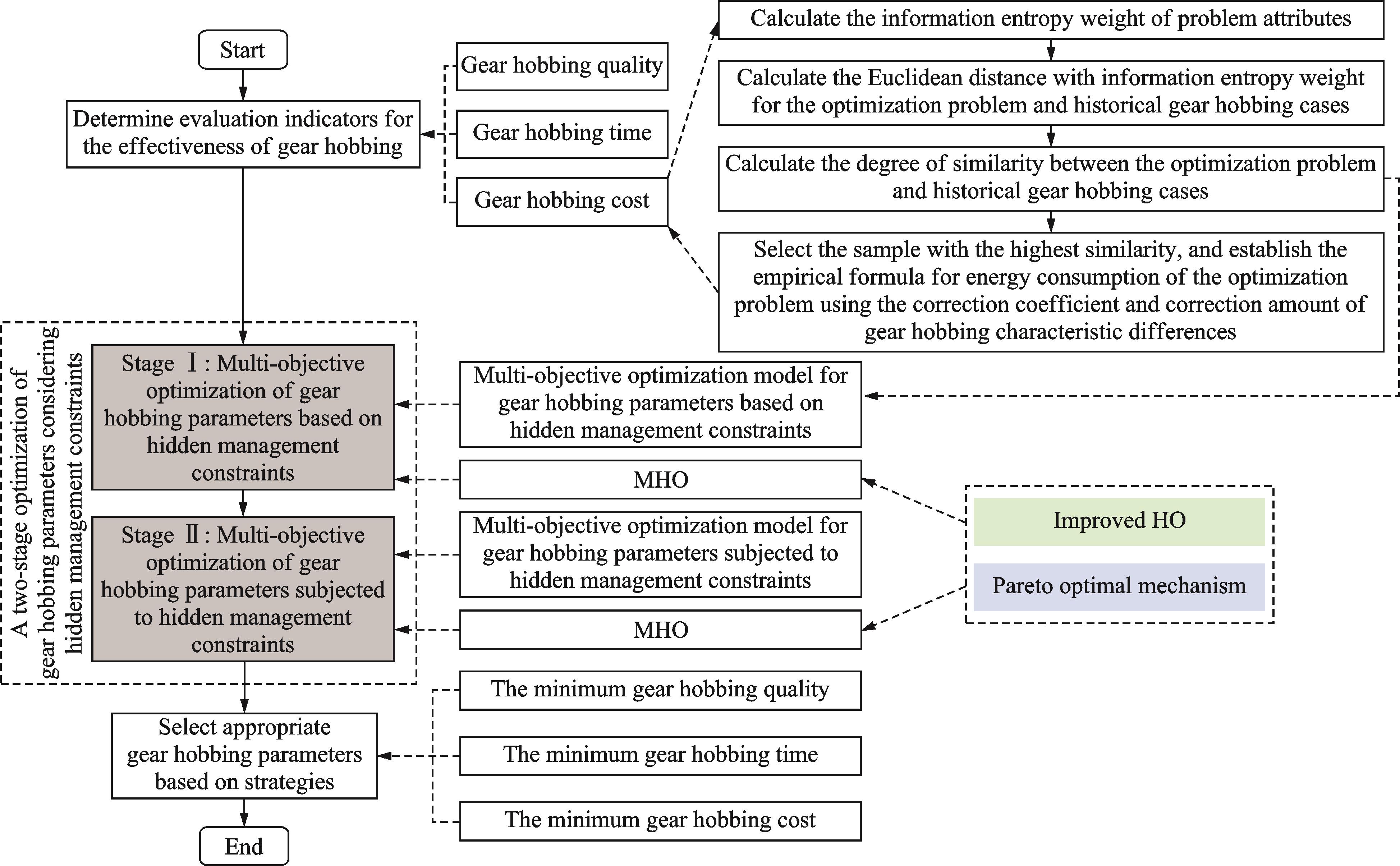
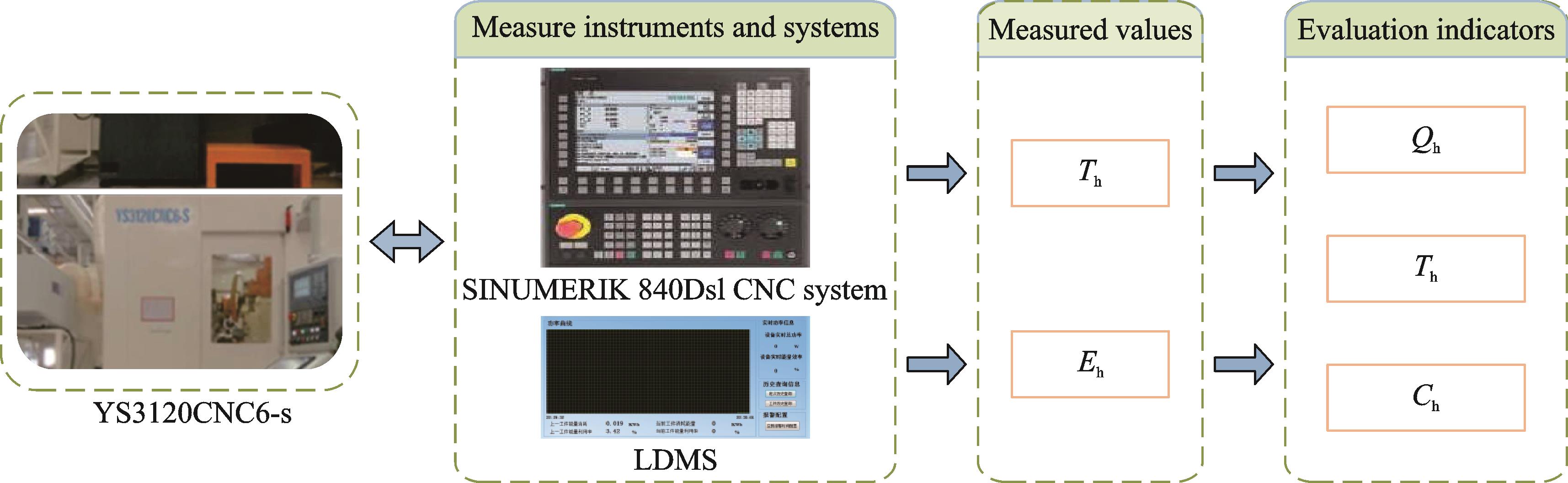
    In the multi-variety and small-batch production mode, the effective historical gear hobbing cases of gear hobbing machine tools represent the best practices under the combined constraints of gear hobbing machine tool, gear, and hob characteristics, as well as gear hobbing management requirements. The gear hobbing parameters of samples in historical gear hobbing cases inherently embed hidden management constraints of gear hobbing. This study established the two-stage multi-objective optimization models for gear hobbing parameters considering hidden management constraints, achieving a trade-off among gear hobbing quality, gear hobbing time, and gear hobbing cost under hidden management constraints. A multi-objective hippopotamus optimization (MHO) algorithm is proposed in this study. The diversity, convergence, and coverage of its Pareto optimal solutions are verified via standard test functions, and the running efficiency of MHO is significantly superior to that of the non-dominated sorting genetic algorithm Ⅱ (NSGA-Ⅱ) and the multi-objective particle swarm optimization algorithm (MOPSO). By solving the proposed model with MHO, a set of gear hobbing parameters subjected to hidden management constraints is obtained. By designing different selection strategies, multiple optional gear hobbing parameter combinations are provided for technicians. Experimental results show that the effectiveness of gear hobbing using the proposed method meets the requirements of quality, time, and cost subjected to hidden management constraints. The research results are of significant technical and engineering value for technicians and managers to optimize gear hobbing parameters subjected to hidden management constraints.
    Select AllDeselectExport
    Display Method:

Articles

    WeChat

    Mobile website